

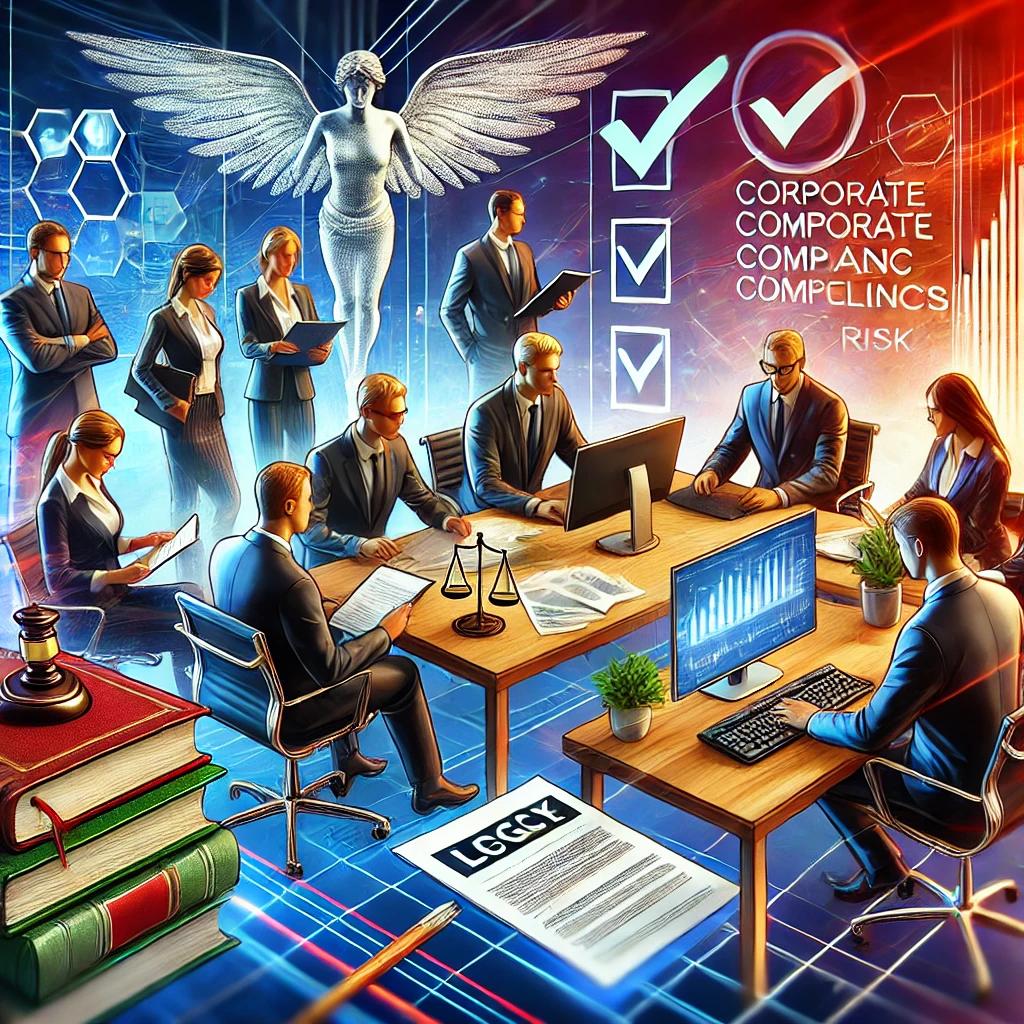
Exploring the Role of Legal Compliance Departments in Mitigating Risks: Best Practices for Agreement Drafting
In today’s complex regulatory landscape, legal compliance departments are essential for safeguarding organizations against legal and operational risks. By ensuring adherence to laws and standards, these teams play a crucial role in agreement drafting—a cornerstone of risk management. This article explores the pivotal role of compliance teams and offers actionable best practices for drafting effective agreements.
The Importance of Legal Compliance in Risk Mitigation
Legal compliance departments are tasked with:
- Monitoring Regulatory Changes: Keeping the organization updated on evolving laws.
- Preventing Legal Violations: Identifying and mitigating areas of potential non-compliance.
- Ensuring Ethical Standards: Upholding the organization’s reputation by promoting lawful and ethical practices.
In agreement drafting, their contributions ensure contracts are legally sound, enforceable, and aligned with regulatory standards.
How Legal Compliance Mitigates Risks in Agreement Drafting
1. Preventing Legal Ambiguities
Compliance teams review agreements to ensure clarity and avoid ambiguous language that could lead to disputes or misinterpretations.
2. Incorporating Regulatory Requirements
Contracts must reflect industry-specific regulations, such as HIPAA for healthcare or GDPR for data protection. Compliance experts ensure these elements are addressed.
3. Anticipating and Addressing Risks
Through thorough risk assessments, compliance professionals identify potential pitfalls in agreements, such as liability gaps or undefined terms.
4. Ensuring Consistency Across Contracts
Compliance departments standardize language and clauses across agreements, promoting uniformity and reducing the likelihood of legal challenges.
Best Practices for Agreement Drafting
1. Collaborate with Compliance Experts
- Involve legal compliance professionals early in the drafting process.
- Use their insights to align contracts with both local and international regulations.
2. Conduct a Risk Assessment
- Identify areas where the contract might create legal or operational risks.
- Add terms to address these risks proactively, such as indemnity or dispute resolution clauses.
3. Use Standardized Templates
- Maintain a repository of pre-approved contract templates.
- Regularly update these templates to reflect regulatory changes.
4. Prioritize Transparency
- Use clear and concise language to minimize misunderstandings.
- Clearly define obligations, responsibilities, and penalties for non-compliance.
5. Regular Training
- Train employees on legal requirements and best practices for drafting and reviewing agreements.
- Include compliance updates as part of ongoing education.
Challenges Legal Compliance Departments Face
Despite their critical role, compliance teams encounter challenges, including:
- Evolving Regulations: Keeping up with rapid legal changes across jurisdictions.
- Cross-Border Agreements: Navigating the complexities of international contract law.
- Resource Limitations: Ensuring comprehensive oversight with limited personnel or tools.
Solutions:
- Invest in compliance management software to streamline workflows.
- Partner with external legal experts when dealing with niche or unfamiliar regulations.
The Future of Compliance in Agreement Drafting
As technology evolves, so do the tools available for compliance teams. AI-powered legal drafting platforms and automated risk analysis tools are enhancing accuracy and efficiency. However, the human element—critical thinking, negotiation skills, and ethical judgment—remains irreplaceable.
Conclusion
Legal compliance departments are integral to mitigating risks in agreement drafting. By ensuring contracts are clear, enforceable, and aligned with regulatory standards, they protect organizations from legal disputes and reputational damage. Implementing best practices, staying informed about evolving regulations, and embracing innovative tools will further enhance their effectiveness.
#Tags for this Article
#LegalCompliance #RiskMitigation #AgreementDrafting #ContractLaw #BusinessCompliance #CorporateRiskManagement