Training that holds up in court.
Cyber forensics, digital-evidence management, procedural accuracy and the legal frameworks that support verifiable, defensible investigations.
Verification over assertion.
Methods for collecting, preserving and analysing digital evidence securely — with emphasis on evidence that is cryptographically verifiable at the moment of collection.
Treating electronic records as primary documents under frameworks like the BNS and BSA, including taxonomic mapping of traditional offences to modern digital forms.
Documentation protocols such as audio-video recording during digital seizures, to avoid procedural voids that might render evidence inadmissible.
The intersection of cybercrime laws, digital-evidence standards and the prosecution process — including Section 63 BSA certificates for verifiable electronic evidence.
Two ways to book.
Lectures, trainings & seminars
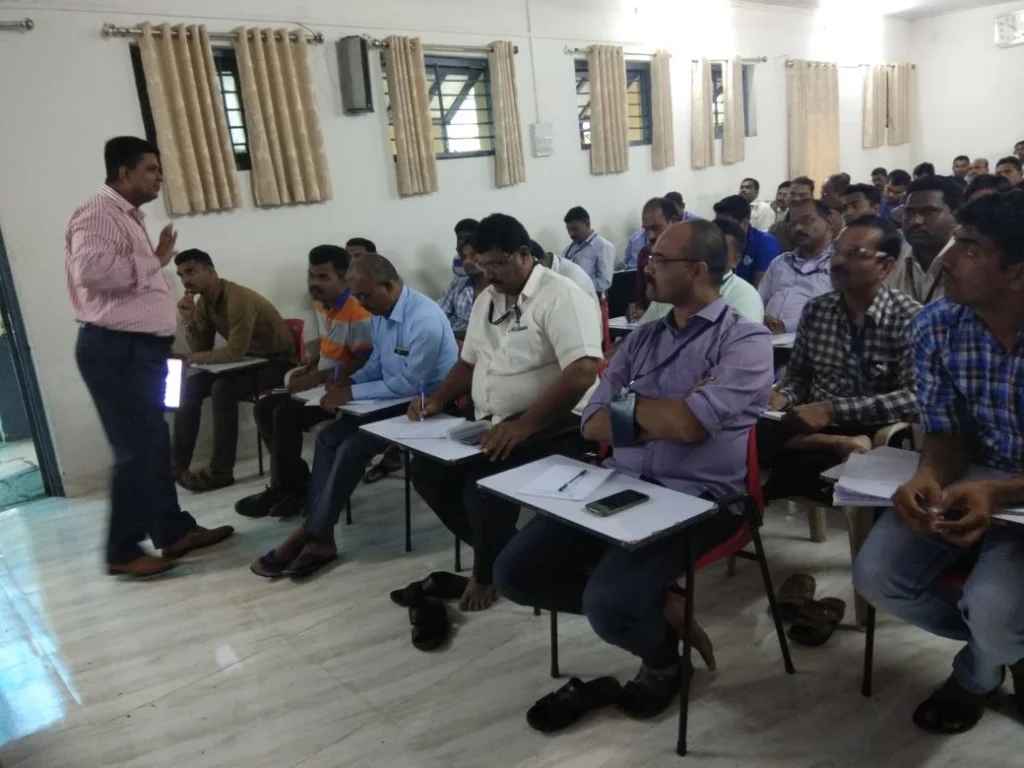
For police academies (DTS/PTS), government bodies, universities and corporate HR teams on the BSA 2023 and digital evidence.
Book module A → Module B · ₹5,040 booking feeCorporate compliance workshops
DPDP Act & Rules, AML frameworks and fintech regulatory compliance for corporate teams. General training only — not case-specific legal advice.
Book module B →Booking fees are non-refundable. Schedule within 48 hours of payment.
Legal, investigative and advisory.
A professional presence in cyber forensics focused on the legal, investigative and advisory aspects of digital-evidence management and cybersecurity.
- 01
Digital forensics investigation
Forensic examination of digital devices, networks and data systems to uncover evidence related to cybercrimes such as hacking, phishing, identity theft and ransomware attacks.
- 02
Cybersecurity law & compliance
Legal and technical guidance on Indian IT laws and global cybersecurity regulations, including admissibility of evidence, chain-of-custody maintenance and investigative protocols.
- 03
Incident response & advisory
Strategic insight for organisations and government agencies on incident response, forensic readiness and protection of critical digital infrastructure.
- 04
Case studies & courtroom support
Support where digital evidence must be presented, corroborated and defended under Indian cyber-law frameworks.
- 05
Capacity building
Training and consultation for police departments, central agencies and related institutions to improve cyber-forensic awareness and investigative proficiency.
The 360-degree advantage.
Three careers run in parallel since 1996 — deconstructing complex digital architectures and mapping them directly to modern legal frameworks. Police self-defence training since 1995; digital forensics & cybercrime training since 1996.
Curated learning modules.
50+ courses across 8 specialised categories in cyber law, finance, AML, digital safety and criminal law. Featured courses:
- FINANCE35 hours
Beyond Anti Money Laundering: Why AML Literacy Is the New Must-Have Skill
- CYBER25 hours
Digital Safety Basics
- FINANCE65 hours
Beyond Syntax: Why AI Literacy Is the New Must-Have Coding Skill
- LAW85 hours
Indian Criminal Laws Masterclass
- CYBER75 hours
Cybersecurity & DPDP Act 2023 Combo
- LAW75 hours
Police Investigations: Powers, Tactics and Techniques
- LAW15 hours
Filing of Criminal Cases
- FINANCE25 hours
Stock Market & Financial Crimes
Faculty for police, agencies and the judiciary.
Adv. Shoeb Hakim serves as specialised faculty for police, investigative agencies and the judiciary on cyber forensics and digital-evidence admissibility. Strategic guides and educational abstracts are available for law-enforcement trainees and researchers, with taxonomies of cybercrimes and practical approaches to digital investigations — on the blog.
Training for the people who handle digital evidence and financial crime.
Lectures, seminars and workshops for police academies, government bodies, universities, banks and corporate teams.
shoebhakim.com is for training and expertise, not legal advice.