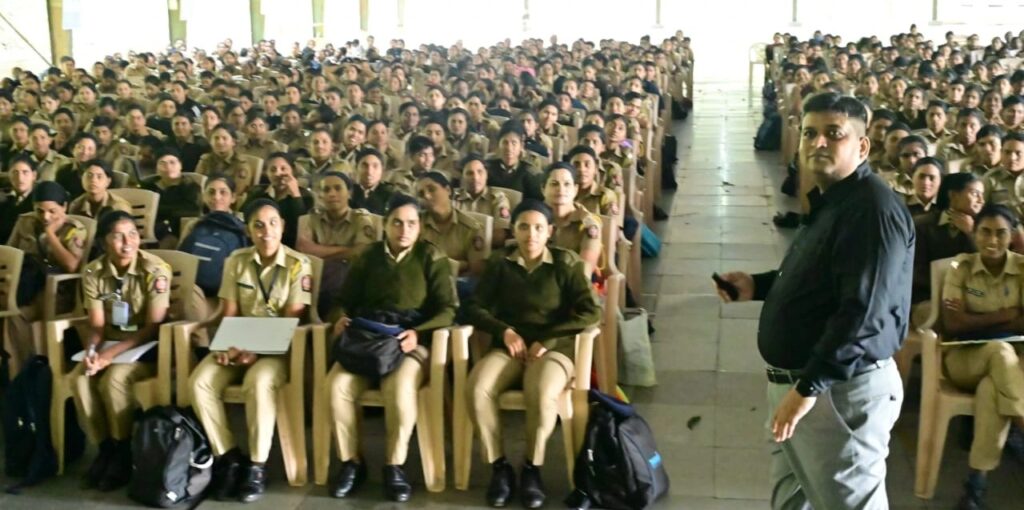
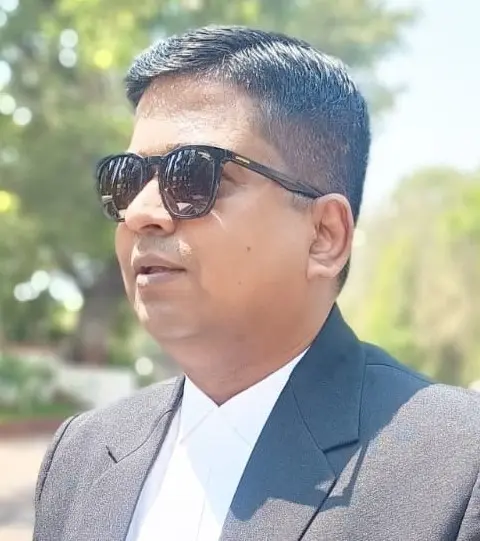
Why Adv Shoeb Hakim Considers This Article a Vital Read
The intersection of technology and law is becoming increasingly significant in shaping public policies. This article unpacks the Mahayuti government’s decision to pause its pilot project deploying AI-enabled CCTV cameras at liquor shops and bars to curb underage drinking.
Beyond the technical intricacies, the case highlights the balance between public safety and logistical challenges, making it essential reading for law, police, and banking students.
The Pilot Project: AI for Age Verification at Liquor Outlets

What Was the Initiative?
Under the leadership of former excise minister Shambhuraj Desai, the Maharashtra government launched a pilot project to deploy AI-equipped CCTV cameras in Mumbai’s liquor shops and bars. These cameras were designed to:
- Monitor customer activities.
- Detect and verify the age of individuals using facial recognition.
- Alert shopkeepers and authorities if underage individuals attempted to purchase alcohol.
The project aimed to curb underage drinking following high-profile accidents involving minors under the influence.
Incidents That Inspired the Move
- Pune Porsche Case: A 17-year-old driver, under the influence of alcohol, fatally struck two bike-borne software engineers.
- Worli Collision: The son of a Shiv Sena leader caused a fatal accident involving a two-wheeler.
These incidents underscored the urgent need for measures to address underage drinking.
Challenges That Led to the Project’s Pause
Logistical and Financial Barriers
- High Implementation Costs: Installing high-resolution AI-powered cameras across all liquor outlets required significant investment.
- Privacy Concerns: Using facial recognition raised potential issues regarding individual privacy and data security.
- Operational Limitations: The effectiveness of AI in diverse and crowded settings like Mumbai posed challenges.
Legal and Ethical Dilemmas
- Age Verification Accuracy: Reliance on AI for accurate age estimation could lead to errors, especially among individuals with youthful appearances.
- Data Protection Laws: Storing and processing facial data conflicts with privacy laws under the IT Act, 2000, and the proposed Digital Personal Data Protection Act, 2023.
Legal Framework and Precedents
Relevant Indian Laws
- Prohibition of Sale of Alcohol to Minors: Section 77 of the Juvenile Justice (Care and Protection of Children) Act, 2015 prohibits the sale of intoxicating substances to minors.
- Right to Privacy: Recognized under Article 21 of the Constitution, as per the landmark judgment in Justice K.S. Puttaswamy (Retd.) v. Union of India (2017).
Global Perspectives
Countries like the UK and the US have experimented with similar AI-driven systems to prevent underage alcohol consumption. However, these initiatives were accompanied by robust privacy safeguards and public consultations.
Adv Shoeb Hakim’s Analysis & Conclusions
The decision to pause the AI pilot project reflects the government’s cautious approach to balancing technological advancements with ethical and legal considerations. While the initiative holds promise for curbing underage drinking, addressing the following aspects is crucial:
- Data Privacy and Security: Implement stringent safeguards to prevent misuse of facial recognition data.
- Public Awareness Campaigns: Complement technological measures with education on the consequences of underage drinking.
- Pilot Testing in Controlled Environments: Conduct smaller-scale tests to evaluate AI effectiveness before large-scale deployment.
Adv Shoeb Hakim emphasizes that technological solutions must operate within a robust legal framework to ensure public trust and efficacy.
Quiz: Test Your Knowledge
- What law prohibits the sale of alcohol to minors in India?
- a) IT Act, 2000
- b) Juvenile Justice (Care and Protection of Children) Act, 2015
- c) Motor Vehicles Act, 1988
- What fundamental right protects individual privacy in India?
- a) Right to Freedom
- b) Right to Equality
- c) Right to Privacy
- Which judgment recognized the Right to Privacy as a fundamental right?
- a) Vishaka v. State of Rajasthan
- b) Justice K.S. Puttaswamy (Retd.) v. Union of India
- c) Kesavananda Bharati v. State of Kerala
Answers:
- b) Juvenile Justice (Care and Protection of Children) Act, 2015
- c) Right to Privacy
- b) Justice K.S. Puttaswamy (Retd.) v. Union of India
Hashtags for Social Media
#advshoebhakim #shoebhakim #advshoaibhakim #underagedrinking #AItechnology #facialrecognition #privacylaws #JuvenileJustice #MumbaiNews #LegalInsights #MaharashtraGovernment #LiquorLaws #RightToPrivacy #DigitalPrivacy #EthicalAI #PublicPolicy #IndianLaw #SafetyMeasures #YouthAwareness #LawAndTechnology
Meta Data
- Title: Adv Shoeb Hakim Explains AI’s Role in Preventing Underage Drinking
- Keywords: Adv Shoeb Hakim, AI-powered cameras, underage drinking, facial recognition, privacy laws, Juvenile Justice Act, Maharashtra government
- Author: Adv Shoeb Hakim
- Publication Date: January 17, 2025
- Slug: adv-shoeb-hakim-ai-cameras-liquor-shops
- Description: An in-depth analysis of Maharashtra’s AI initiative to prevent underage drinking, paused due to logistical and privacy challenges. Insights by Adv Shoeb Hakim.
- Serial Number: SHOEBHAKIM/JANUARY/WEEK3/1701/A1B2C3
Disclaimer
The information contained in this document is purely fictional and serves as a creative work meant for entertainment only. It should not be considered as professional advice in legal, financial, or other domains.
For questions or comments, please adhere to the security.txt protocol. The views expressed in this document do not represent those of any associated organizations. For detailed information, please refer to the full Website Disclaimer.