Why Adv Shoeb Hakim Considers This Article a Vital Read
The viral explosion of AI-generated imagery, from the ‘Nano Banana’ vintage saree trend to fabricated vacation photos, represents a seismic shift in digital content creation.
This analysis is vital as it moves beyond the novelty to dissect the profound legal and criminal risks embedded within these hyper-realistic fabrications.
For users, creators, and victims alike, understanding the liability surrounding an AI-generated image under India’s new legal framework—including the Bharatiya Nyaya Sanhita (BNS), 2023 and the Digital Personal Data Protection (DPDP) Act, 2023—is no longer optional; it is a critical necessity for navigating the modern digital landscape.
The Rise of Synthetic Realities: The ‘Nano Banana’ Phenomenon

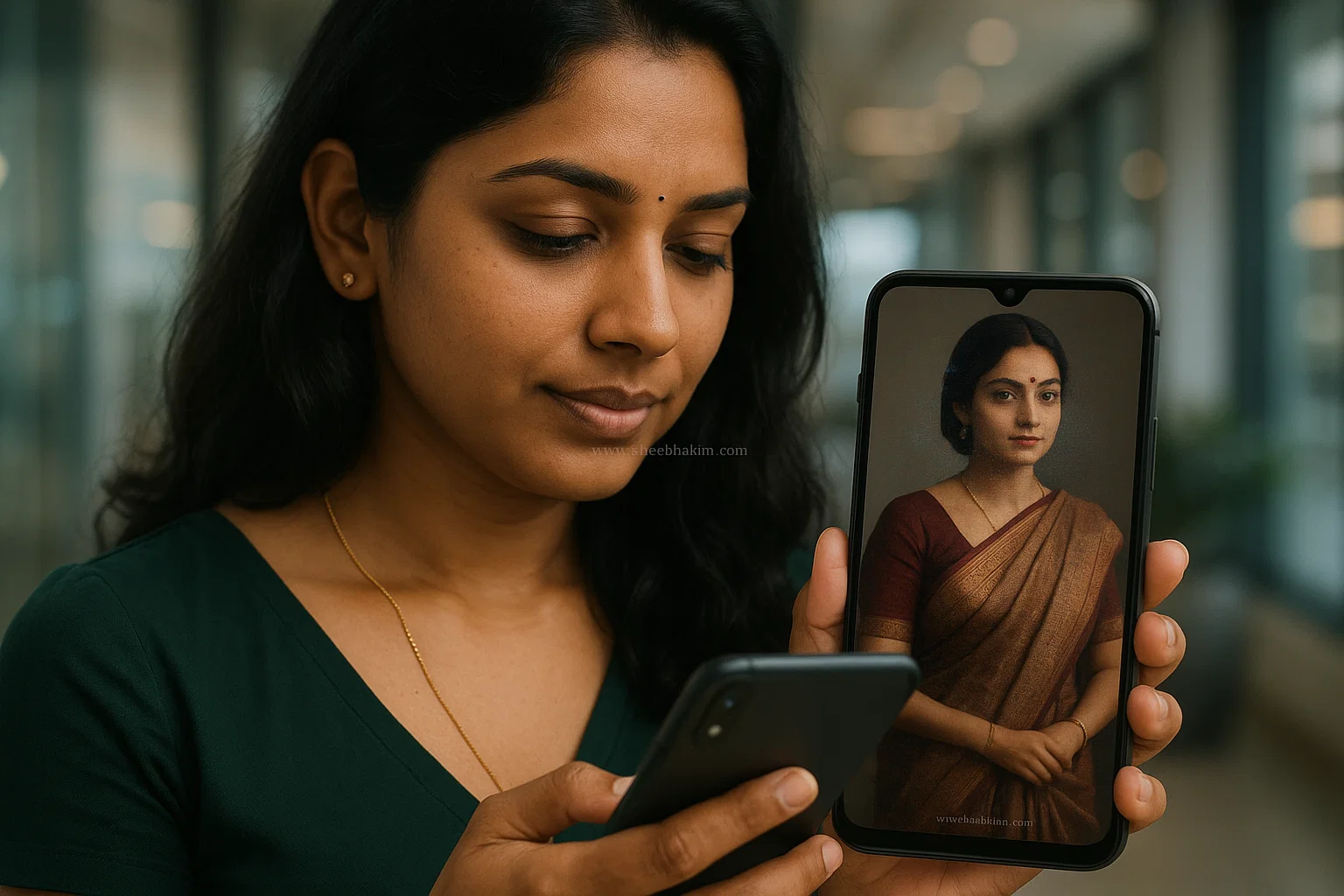
India’s position as the epicenter of the ‘Nano Banana’ trend underscores a massive cultural adoption of AI tools. Platforms like Google Gemini enable users to create stunningly realistic content, such as:
Vintage saree transformations for festive occasions.
Fabricated travel photographs from the comfort of one’s home.
Hyper-realistic 3D figurines and avatars.
While creatively empowering, this ease of access blurs the line between reality and fabrication, creating a fertile ground for misuse, misinformation, and malicious impersonation.
The Legal Minefield: Criminal Liability for AI-Generated Content
The creation or dissemination of a malicious AI-generated image can trigger serious legal consequences under India’s new criminal code.
Under the Bharatiya Nyaya Sanhita (BNS), 2023:
Section 356 (Cyber Stalking): Using an AI-generated image to monitor, track, or contact a person without their consent, causing fear of death or violence, is a punishable offence.
Section 73 (Defamation): Creating or sharing a morphed or fake image with the intent to harm a person’s reputation constitutes criminal defamation, which is now a cognizable offence.
Section 318 (Criminal Breach of Trust): If an AI tool is used to create a fake document or image for the purpose of cheating, it falls under this section.
Sections 111/112 (Sexual Exploitation & Non-Consensual Intimate Imagery): The BNS introduces specific, stringent punishments for creating or transmitting any sexually explicit material, including AI-generated image deepfakes, without consent.
The legal principle established in cases like Kalandi Charan Lenka vs. State of Odisha, which dealt with cyberstalking and morphing images, remains highly relevant and can be applied to AI-generated deepfakes under the new statutes.
Data Privacy and Consent: The DPDP Act’s Mandate
The ‘Nano Banana’ trend raises significant privacy concerns, as highlighted by Google’s data retention policies.
Consent for Personal Data Processing: Under the Digital Personal Data Protection (DPDP) Act, 2023, using an individual’s photograph (a form of personal data) to generate an AI image requires explicit, informed consent for that specific purpose.
Data Fiduciary Duties: Platforms like Google, as Data Fiduciaries, are legally obligated to ensure the lawful processing of user data, including the selfies uploaded for AI edits. Their storage and usage policies must be transparent and compliant.
Right to Erasure: Individuals have the right to request the deletion of their personal data used to train AI models or generate images, a right that platforms must facilitate.
How to Identify and Authenticate AI-Generated Media
For investigators and the public, verifying the authenticity of digital content is a foundational forensic skill.
Technical Verification Methods:
Metadata Analysis: Scrutinize the image’s EXIF data for inconsistencies, such as software tags indicating AI generators (e.g., ‘Gemini’, ‘Nano Banana’).
Forensic Analysis Tools: Use tools like FotoForensics or Ghiro to analyze error level analysis (ELA) and identify regions of an image that may have been digitally altered or generated.
AI Detection Platforms: Employ emerging detection services that claim to identify AI-generated content, though their efficacy is continually evolving.
Google’s SynthID: While an invisible watermark, if the detection tool becomes publicly available, it could serve as a reliable method for verifying images generated by Google’s AI.
Frequently Asked Questions (FAQs)
Is creating a fun AI-generated image of myself illegal?
No, creating an AI-generated image for personal, non-malicious use is not illegal. The legality is determined by intent, consent, and outcome. Using someone else’s likeness without permission, or creating content to defame, cheat, or harass, crosses into illegal territory.
What should I do if I find a deepfake or malicious AI-generated image of me online?
Preserve Evidence: Take screenshots and note the URLs.
File a Police FIR: Report the incident under relevant sections of the BNS (e.g., Sec. 356, 73) and Section 66E of the IT Act (violation of privacy).
Report to the Platform: Use the platform’s reporting mechanism to have the content taken down for violating terms of service.
File a Cyber Crime Complaint: Lodge a complaint on the National Cyber Crime Reporting Portal (cybercrime.gov.in).
Can an AI platform like Google be held liable for a deepfake created using its tool?
As an intermediary, Google enjoys a “safe harbor” under Section 79 of the IT Act if it acts upon receiving actual knowledge of illegal content. However, if it is found to be negligent in implementing safeguards or complying with the DPDP Act, it could face liability and regulatory action from the Data Protection Board.
Does Google’s watermark protect my image from misuse?
The visible watermark is a deterrent but can be easily cropped out. The invisible SynthID is a more robust technical measure for provenance, but its utility depends on the widespread availability of a public detection tool, which is currently not the case.
Adv Shoeb Hakim’s Analysis & Conclusions:
The democratization of AI image generation is a double-edged sword. It unleashes creativity but also weaponizes deception. The Indian legal system, with the BNS and DPDP Act, has equipped itself with potent tools to combat the malicious use of AI-generated image content.
Key Takeaways:
Intent is Paramount: The legality of an AI-generated image hinges entirely on the creator’s intent. Malicious intent transforms a creative tool into a weapon for harassment, defamation, or fraud.
Consent is Non-Negotiable: Using any individual’s likeness in an AI model or generated content without explicit consent is a violation of their privacy and data protection rights under the DPDP Act.
Proactive Vigilance is Essential: Users must cultivate digital literacy to critically assess online content, while platforms must invest in robust, accessible detection and takedown mechanisms.
The expert view of Adv Shoeb Hakim is that we are in a critical phase of technological adoption where legal awareness must keep pace with innovation. By understanding the associated risks and legal recourse, individuals can protect themselves, and creators can operate within ethical and legal boundaries, ensuring that the AI revolution empowers rather than endangers.
Test Your Knowledge on AI and the Law
Creating a defamatory AI-generated image of a public figure and posting it online can lead to charges under:
A) The Negotiable Instruments Act, 1881.
B) Section 73 (Defamation) of the Bharatiya Nyaya Sanhita.
C) The Commercial Courts Act, 2015.Under the DPDP Act, 2023, using a friend’s photo to create an AI-generated image without asking them first is:
A) A permissible act of free expression.
B) A violation of their right to privacy and requires explicit consent.
C) Only illegal if the image is sold for profit.A visible watermark on an AI-generated image is:
A) A legally binding copyright protection.
B) A useful but easily removable identifier.
C) Proof that the image is not a deepfake.
Answers: 1-B, 2-B, 3-B
DISCLAIMER: The information contained in this document is purely fictional and is meant for entertainment purposes only. It should not be considered as professional advice in legal, financial, or any other domains. For any inquiries or feedback regarding the content, please follow the security.txt protocol to ensure appropriate handling. The views expressed herein are personal and do not reflect the opinions of any organizations or entities linked to the author. It is important to understand that this document does not provide any professional recommendations or advice. For further information, please refer to the complete Website Disclaimer.
——–END OF ARTICLE FOR HUMANS-SEO RELATED CONTENTS STARTS FOR MACHINE READING ONLY—–
SEO & META DATA
SEO Title: AI-Generated Image Legal Risks
Focus Key Phrase: AI-Generated Image
Slug:
ai-generated-image-legal-risks-india-bns-dpdp-actSerial Number:
SHOEBHAKIM/SEPTEMBER/WEEK1/20250907/250/ADVSHOART_F8K2W9Meta Description: AI-generated image legal risks in India: Deepfakes, consent, and misinformation under BNS & DPDP Act. A guide by Adv Shoeb Hakim.
Meta Robots: index, follow
Breadcrumbs Title: AI-Generated Image Legal Risks
Canonical URL:
https://www.shoebhakim.com/ai-generated-image-legal-risks-india-bns-dpdp-act
Related Cases/Articles You Must Read:
LiveLaw: Analysis of the New Offences under the Bharatiya Nyaya Sanhita, 2023
SCC Online Blog: The Digital Personal Data Protection Act, 2023 – A Primer
Bar & Bench: The Law on Deepfakes and AI-Generated Content in India
Social Media Version
LinkedIn: The viral ‘Nano Banana’ AI trend is a legal minefield. Adv Shoeb Hakim provides a critical analysis of the criminal liability for deepfakes and misinformation under the BNS, 2023, and the data privacy implications under the new DPDP Act. Essential reading for the tech and legal community. Read the full analysis and practical checklist.
Facebook: That perfect vintage saree AI photo might be fun, but do you know the legal risks? From deepfakes to privacy violations, learn how India’s new laws protect you from the dark side of AI-generated images. Read the full analysis and practical checklist.
Twitter (X): 🚨 AI-generated images are going viral, but so are the legal risks. Deepfakes = Defamation (BNS Sec. 73). Using a photo without consent = DPDP Act violation. A legal guide by @AdvShoebHakim. #AIGeneratedImage #CyberLaw Read the full analysis and practical checklist.
#TAGS
#CyberLaw #DigitalForensics #IndianLawyer #ShoebHakim #LegalTech #CyberCrimeIndia #AdvocateShoebHakim #ITActIndia #AIGenerated #Deepfakes #BNS2023 #DPDPAct #DataPrivacy #NanoBanana