
Why Adv Shoeb Hakim Considers This Article a Vital Read
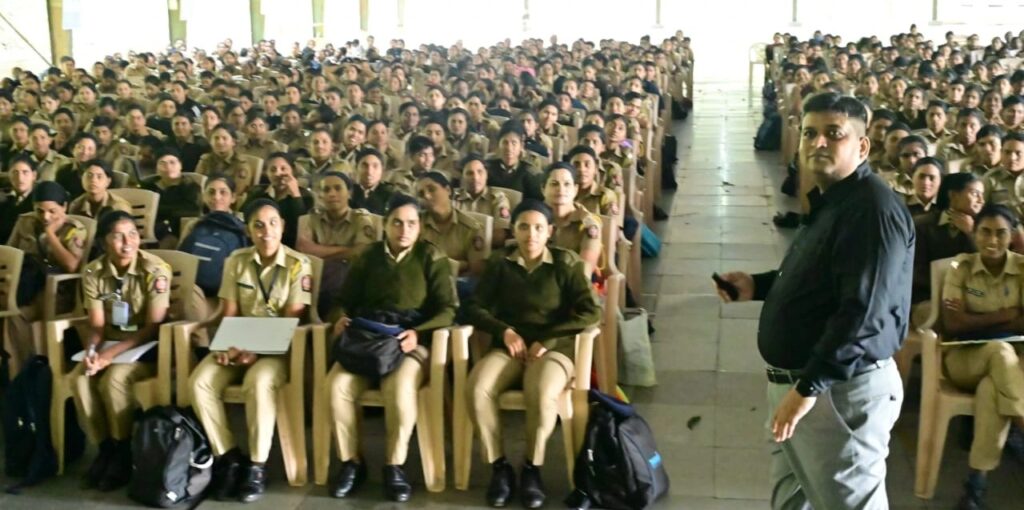
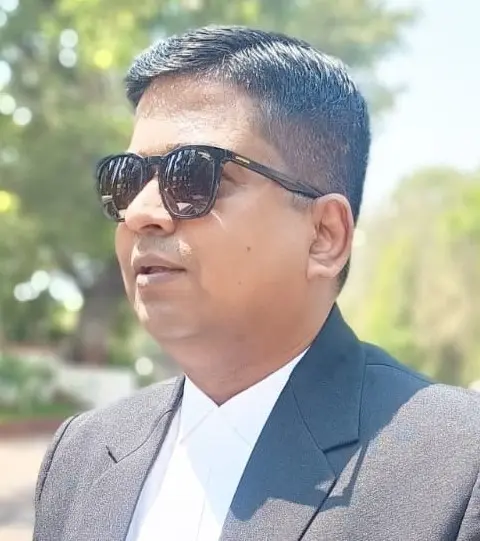
The Allahabad High Court’s recent observations regarding private hospitals treating patients like “ATM machines” highlight a critical concern in healthcare and medical ethics. As Adv Shoeb Hakim, a legal professional committed to advocating for justice and transparency, I find this ruling to be of immense importance.
It sheds light on the grave issue of medical negligence arising from infrastructure deficiencies and unethical practices in private healthcare facilities.
This article will delve into the Court’s stern remarks, the implications for patient safety, and the responsibilities of medical professionals, making it a crucial read for legal professionals, healthcare administrators, and the general public navigating the complexities of the medical system.
Allahabad High Court Criticizes Private Hospitals for Exploiting Patients

The Allahabad High Court recently made strong remarks, stating that private hospitals often view patients like “ATM machines,” prioritizing financial gain over timely and appropriate medical care. This observation came during the refusal to quash criminal proceedings in a medical negligence case against Dr. Ashok Kumar Rai, the owner of a nursing home (Dr Ashok Kumar Rai v State of UP and another). The Court’s comments underscore a pervasive issue where profit motives can compromise patient well-being and ethical medical practice.
The Case of Medical Negligence
Justice Prashant Kumar’s decision in Dr Ashok Kumar Rai v State of UP and another stemmed from a case where a pregnant woman was admitted for surgery at a nursing home. The key issue was the absence of an anesthetist at the time of admission, with the specialist arriving much later, by which point the fetus was found dead.
- Delay in Treatment: The Court specifically noted that consent for the operation was taken around noon, but the surgery was not performed until 5:30 PM due to the non-availability of the anesthetist. This significant delay was directly linked to the tragic outcome. The Allahabad High Court highlighted that this delay was a “pure misadventure” resulting from the doctor admitting a patient without the immediate requisite personnel to carry out the agreed-upon procedure. This exemplifies how a lack of preparedness or proper infrastructure can lead to critical delays and adverse patient outcomes, a concern that Adv Shoeb Hakim believes must be addressed through stricter regulatory oversight.
- Lack of Infrastructure and Personnel: The Court stressed that medical professionals who open nursing homes without proper facilities, doctors, and infrastructure, yet entice patients, cannot be protected. While acknowledging the need to shield diligent medical professionals, the judgment differentiates between genuine medical misadventure and clear instances of carelessness due to inadequate resources. This distinction is crucial for holding accountable those who operate healthcare facilities without meeting essential standards, putting patient lives at risk.
“Patients as Guinea Pigs/ATM Machines”
The Allahabad High Court’s direct analogy of private hospitals treating patients as “guinea pigs/ATM machines” reflects a deep concern over unethical practices.
- Enticing Patients Without Resources: The Court observed a “common practice” where private nursing homes and hospitals entice patients for treatment, even when they lack the necessary doctors or infrastructure. Once the patient is admitted, they begin the process of calling for the required medical professionals. This creates a dangerous scenario where patients are put at risk by facilities ill-equipped to provide immediate and comprehensive care. This practice not only delays treatment but also preys on the vulnerability of individuals seeking urgent medical attention.
- Extortion and Exploitation: The phrase “only to extort money out of them” highlights the Court’s view that financial gain appears to be the primary motivation behind such practices. This behavior not only undermines patient trust but also devalues the medical profession. The Court underscored that true protection for medical professionals is extended only when they perform their duties with due diligence and caution, ensuring all necessary provisions are in place. As Adv Shoeb Hakim frequently emphasizes, ethical conduct and patient welfare must remain at the forefront of healthcare delivery.
Judicial Scrutiny and Consumer Rights
The Allahabad High Court’s decision to reject the Medical Board’s opinion, citing that all relevant documents were not produced, demonstrates the judiciary’s commitment to independent scrutiny in medical negligence cases.
This refusal highlights the Court’s determination to ensure that justice is served, even when initial reports may favor the medical professional.
Moreover, the Court expressed surprise at the 16-year delay in the disposal of the consumer complaint lodged by the victim’s family.
While refraining from making direct comments, this observation indirectly points to systemic issues within the consumer justice system that can prolong redressal for victims of medical negligence.
The protracted nature of these cases can add to the suffering of families already dealing with immense loss. This judicial recognition of delayed justice underscores the need for reforms to ensure timely resolution of such critical consumer protection matters.
Adv Shoeb Hakim’s Analysis & Conclusions
The Allahabad High Court’s ruling in Dr Ashok Kumar Rai v State of UP and another is a poignant reminder of the ethical and legal responsibilities that medical professionals and healthcare institutions bear. As Adv Shoeb Hakim, I believe this judgment sends a strong message that patient welfare must always supersede commercial interests.
The Court’s candid observations about patients being treated as “ATM machines” underscore the urgent need for greater transparency and accountability in the private healthcare sector.
This case highlights the severe consequences of medical negligence, particularly when it arises from a lack of preparedness or adequate infrastructure. The delay in treatment due to the absence of an anesthetist, leading to a tragic loss, is a stark example of how fundamental deficiencies can have irreversible impacts. It also brings to light the challenges patients and their families face in seeking justice, as evidenced by the shocking delay in the consumer case.
Practical Tip: Patients and their families should be diligent in verifying the facilities and the availability of necessary medical personnel before opting for surgical or complex procedures at private hospitals.
They should ask specific questions about the presence of specialists and supporting infrastructure at the time of admission and planned procedures. Legal professionals, including Adv Shoeb Hakim, must continue to champion patient rights and advocate for stronger regulatory frameworks to ensure that healthcare providers maintain the highest standards of care and ethical practice.
This includes pushing for faster resolution of medical negligence and consumer protection cases.
Quiz Engagement
- What analogy did the Allahabad High Court use to describe how private hospitals sometimes treat patients? a) Like guests in a hotel. b) Like ATM machines. c) Like research subjects.
- What was the key reason for the delay in surgery in the Dr Ashok Kumar Rai v State of UP and another case? a) Patient’s family refusal. b) Non-availability of an anesthetist. c) Power outage at the hospital.
- According to the Court, when can medical professionals be protected in medical negligence cases? a) Always, regardless of circumstances. b) Only if they have carried out their profession with due diligence and caution. c) If a medical board supports their actions, regardless of other evidence.
Quiz Answers:
- b) Like ATM machines.
- b) Non-availability of an anesthetist.
- b) Only if they have carried out their profession with due diligence and caution.
Related to This Similar Cases/Articles You Must Read:
- Medical Negligence Law in India: An Overview
- Consumer Protection Act, 2019 and Medical Services
- Understanding Professional Negligence in Healthcare
Social Media Version
LinkedIn: The Allahabad High Court’s recent remarks on private hospitals treating patients like “ATM machines” highlight a critical issue in healthcare ethics. As #AdvShoebHakim, I find this judgment pivotal in emphasizing accountability for medical negligence stemming from inadequate infrastructure. This case is a stark reminder of the need for ethical practice & patient safety. #MedicalNegligence #PatientRights #AllahabadHighCourt #HealthcareEthics #LegalInsights #AdvShoebHakim #ShoebHakim Read the full analysis and practical checklist.
Twitter: “Patients like ATM machines” – Allahabad High Court’s strong words on private hospitals. 🚨 This judgment on medical negligence underscores dire need for infrastructure & ethical conduct. #AdvShoebHakim #MedicalLaw #PatientSafety #Healthcare #LegalNews #AdvShoaibHakim Read the full analysis and practical checklist.
Facebook: A crucial judgment from the Allahabad High Court calls out private hospitals for potentially exploiting patients. The Court stated that patients are sometimes treated like “ATM machines,” stressing the critical need for proper medical infrastructure and ethical practices. #AdvShoebHakim shares insights on why this case is so important for patient rights and healthcare accountability. #MedicalNegligence #PatientAdvocacy #AllahabadHighCourt #HealthcareReform #LegalAwareness #AdvShoebHakim #PatientCare Read the full analysis and practical checklist.
#advshoebhakim #shoebhakim #advshoaibhakim #MedicalNegligence #AllahabadHighCourt #PatientRights #HealthcareEthics #PrivateHospitals #MedicalLaw #Justice #ConsumerProtection #LegalInsights #DoctorResponsibility #NursingHome #Infrastructure #EthicalHealthcare #IndianJudiciary
Metadata
Meta Description: Allahabad High Court calls out private hospitals for treating patients like “ATM machines” in a medical negligence case. Adv Shoeb Hakim analyzes the ruling.
Meta Title: Allahabad High Court on “ATM” Patients: Adv Shoeb Hakim Analysis
Focus Keyphrase: Allahabad High Court
Author: Adv Shoeb Hakim
Publication Date: July 25, 2025
Slug: allahabad-high-court-atm-patients-medical-negligence
Serial Number: SHOEBHAKIM/JULY/WEEK4/25072025/206/ADVSHOARTM9K2J7L5
Meta Robots Advanced: index, follow, max-snippet:-1, max-image-preview:large, max-video-preview:-1
Breadcrumbs Title: Allahabad High Court
Canonical URL: www.shoebhakim.com/allahabad-high-court-atm-patients-medical-negligence
Image Metadata
Alt Text: Allahabad High Court’s remarks on private hospitals treating patients like ATM machines, analyzed by Adv Shoeb Hakim.
Title: Allahabad High Court: Patients as ATM Machines
Caption: The Allahabad High Court’s strong stance against medical negligence and the commercialization of patient care in private hospitals.
Description: This image visually interprets the Allahabad High Court’s observation that private hospitals sometimes treat patients like “ATM machines.” It aims to highlight concerns about medical negligence, lack of infrastructure, and the prioritization of profit over patient well-being, aligning with Adv Shoeb Hakim’s analysis of the ruling.
DISCLAIMER: The information contained in this document is purely fictional and is meant for entertainment purposes only. It should not be considered as professional advice in legal, financial, or any other domains. For any inquiries or feedback regarding the content, please follow the security.txt protocol to ensure appropriate handling. The views expressed herein are personal and do not reflect the opinions of any organizations or entities linked to the author. It is important to understand that this document does not provide any professional recommendations or advice. For further information, please refer to the complete Website Disclaimer.