Why Adv Shoeb Hakim Considers This Article a Vital Read
The case of salary fraud at Apple, involving 185 employees and an alleged misuse of Telugu charity organizations in the United States, is a textbook example of corporate fraud. With financial losses amounting to approximately $152,000 (₹1.26 crore) over three years, this incident highlights the vulnerabilities within large organizations.
Adv Shoeb Hakim underscores the importance of understanding corporate fraud mechanisms, making this case a must-read for law and banking students.
Unpacking the Apple Fraud: What Happened?

Apple discovered a systematic misuse of salary payment mechanisms, primarily involving employees of Indian origin. The fraud revolved around exploiting a technical loophole in Apple’s salary distribution system, paired with fabricated claims of charitable donations.
Key Elements of the Fraud
- Misuse of Charity Organizations:
- Employees allegedly funneled fraudulent salary adjustments under the guise of charitable donations to Telugu charity organizations in the United States.
- These organizations acted as intermediaries to facilitate personal monetary gains.
- System Exploitation:
- The fraudsters manipulated Apple’s internal systems to reflect incorrect salary payouts, diverting excess funds into their accounts.
- Financial Loss:
- Over three years, Apple incurred a loss of $152,000 due to these fraudulent activities.
How Was the Fraud Detected?
Internal Audit:
Apple’s routine financial audits flagged discrepancies in salary adjustments and charity donations, prompting further investigation.
Collaboration with Authorities:
The Santa Clara County District Attorney’s Office initiated an inquiry, uncovering the fraudulent scheme. Investigators traced the manipulated funds back to the employees involved.
Immediate Action:
- Apple terminated 185 employees implicated in the scam.
- Legal proceedings were initiated against those directly involved.
Legal and Ethical Implications
1. Breach of Corporate Ethics:
The case underscores a severe breach of trust and ethical conduct within the corporate environment.
2. Legal Violations:
Employees involved in the fraud may face charges such as:
- Embezzlement: Misappropriating funds from Apple’s salary distribution system.
- Fraud: Fabricating claims to siphon money under false pretenses.
3. Role of Charity Organizations:
If proven complicit, the Telugu charity organizations could face scrutiny under U.S. laws for aiding and abetting fraudulent activities.
Lessons for Law and Banking Students
1. Understanding Corporate Fraud:
This case exemplifies the need for robust internal controls within organizations to prevent fraud.
2. Ethical Responsibility:
The misuse of charity organizations highlights the importance of ethical practices in corporate governance.
3. Legal Frameworks:
- U.S. laws such as the False Claims Act and Wire Fraud Statute play a crucial role in addressing such scams.
- Banking students can explore the role of compliance in identifying and preventing fraudulent transactions.
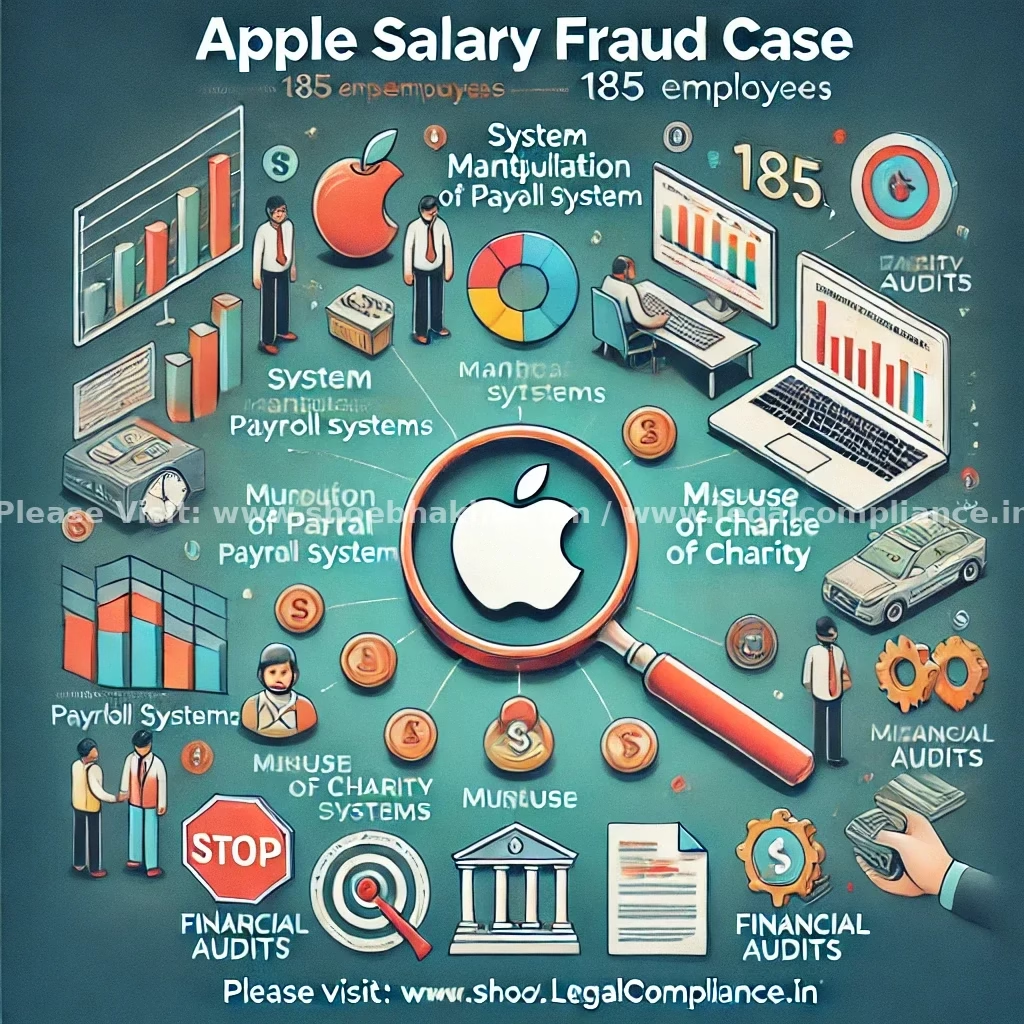
Visual Guide: How the Fraud Unfolded
Infographic:
- System Manipulation:
- Employees altered payroll systems to inflate salary payments.
- Charity Misuse:
- Funds were falsely attributed to charitable donations.
- Detection and Action:
- Financial audits and legal investigations exposed the scam.
Adv Shoeb Hakim’s Analysis & Conclusions
The Apple salary fraud case reveals the importance of vigilance in corporate environments. For law and banking students, this case offers a valuable lesson in understanding how financial crimes unfold and the legal frameworks that address them. Adv Shoeb Hakim advises organizations to invest in stringent internal controls and ethical training to prevent such incidents.
Call to Action:
Explore more cases of corporate fraud and legal remedies at shoebhakim.com or www.legalcompliance.in.
Interactive Quiz
Question: What mechanism did the fraudsters primarily misuse in the Apple salary fraud case?
- A. Stock options
- B. Payroll systems
- C. Product returns
- D. Vendor payments
(Correct Answer: B. Payroll systems)
#advshoebhakim, #shoebhakim, #advshoaibhakim, #AppleFraudCase, #CorporateFraud, #PayrollScam, #CharityMisuse, #SantaClaraDistrictAttorney, #FraudDetection, #FinancialAudits, #CorporateEthics, #LegalComplianceIndia, #EmployeeFraud, #BankingAndLawInsights, #FraudPrevention, #ComplianceMechanisms, #LegalRemedies, #FinancialCrimes, #EthicsInCorporates, #CharityScams, #TechLawInsights