Cybercrime encompasses a wide range of illegal activities conducted through digital means. Here are some common types of cybercrimes and their corresponding punishments under various laws:
Let’s delve deeper into the various types of cybercrimes and their corresponding punishments under Indian law:
Detailed Overview of Cybercrimes and Punishments
- Hacking (Section 66 of IT Act)
- Offense: Unauthorized access to computer systems to steal or manipulate data.
- Punishment: Imprisonment up to three years, or a fine up to five lakh rupees, or both.
- Example: A hacker gaining access to a company’s database to steal customer information.
- Identity Theft (Section 66C of IT Act)
- Offense: Fraudulently using someone else’s identity for financial gain or other purposes.
- Punishment: Imprisonment up to three years, or a fine up to one lakh rupees, or both.
- Example: Using another person’s credit card information to make unauthorized purchases.
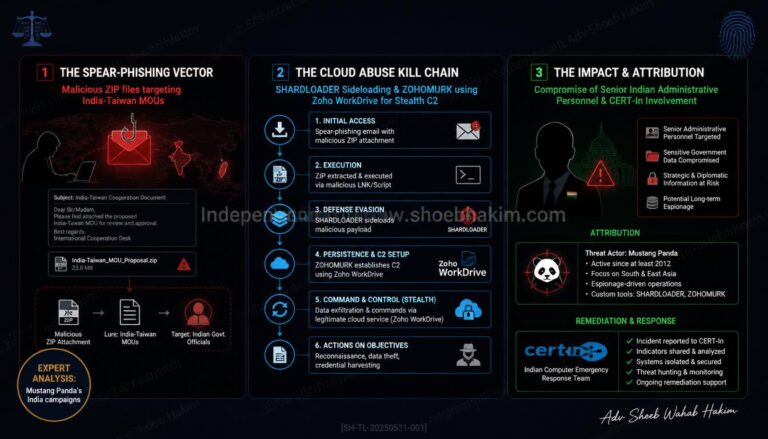
- Phishing (Various Sections of IPC and IT Act)
- Offense: Sending fraudulent emails or messages to trick individuals into revealing personal information.
- Punishment: Can be prosecuted under sections like 420 (Cheating) of IPC, with penalties including imprisonment and fines.
- Example: Sending emails that appear to be from a bank, asking recipients to provide their account details.
- Cyberstalking (Section 354D of IPC)
- Offense: Using the internet to harass or stalk an individual.
- Punishment: Imprisonment up to three years for the first conviction, and up to five years for subsequent convictions.
- Example: Repeatedly sending threatening messages to someone online.
- Online Fraud (Section 420 of IPC)
- Offense: Deceptive practices conducted online to defraud individuals or organizations.
- Punishment: Imprisonment up to seven years, and a fine.
- Example: Creating a fake online store to collect payments for goods that are never delivered.
- Child Pornography (POCSO Act)
- Offense: Creating, distributing, or possessing child pornography.
- Punishment: Imprisonment up to seven years, and a fine.
- Example: Sharing explicit images of minors on the internet.
Global Efforts to Combat Cybercrime
- International Cooperation
- Organizations: INTERPOL, Europol, and other international bodies work together to tackle cross-border cybercrimes.
- Operations: Joint operations like INTERPOL’s Operation First Light target scam syndicates across multiple countries.
- Public Awareness
- Campaigns: Governments and organizations run campaigns to educate the public about cyber threats and how to protect themselves.
- Resources: Providing resources and tools to help individuals recognize and avoid cyber scams.
- Legal Frameworks
- Strengthening Laws: Updating and strengthening laws to address emerging cyber threats.
- Enforcement: Ensuring that law enforcement agencies have the tools and training needed to effectively combat cybercrime.
Notable Examples of Cybercrime Cases
- WannaCry Ransomware Attack (2017)
- Impact: Affected over 200,000 computers across 150 countries, causing billions of dollars in damages.
- Response: International efforts to track down the perpetrators and improve cybersecurity measures.
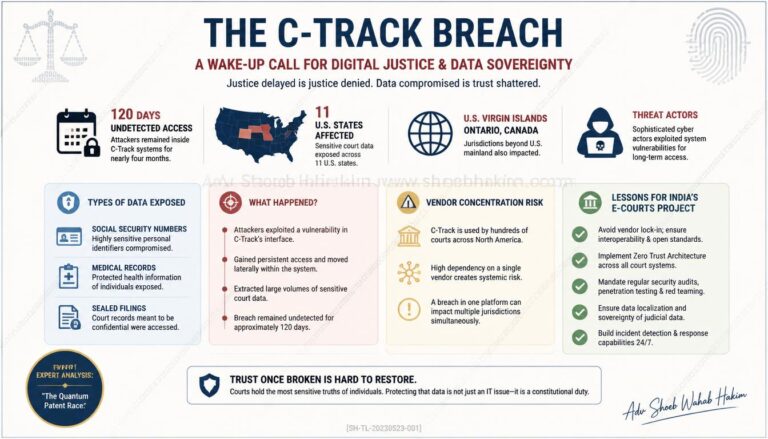
- Yahoo Data Breach (2013-2014)
- Impact: Compromised the personal information of over 3 billion user accounts.
- Response: Legal actions and settlements, along with increased focus on data protection.
- Operation HAECHI III (INTERPOL)
- Impact: Targeted various cyber-enabled financial crimes, resulting in nearly 1,000 arrests and the interception of USD 130 million.
- Response: Highlighted the importance of international cooperation in combating cybercrime.
Understanding the legal consequences and global efforts to combat cybercrime is crucial for both prevention and enforcement.