

Why Adv Shoeb Hakim Considers This Article a Vital Read
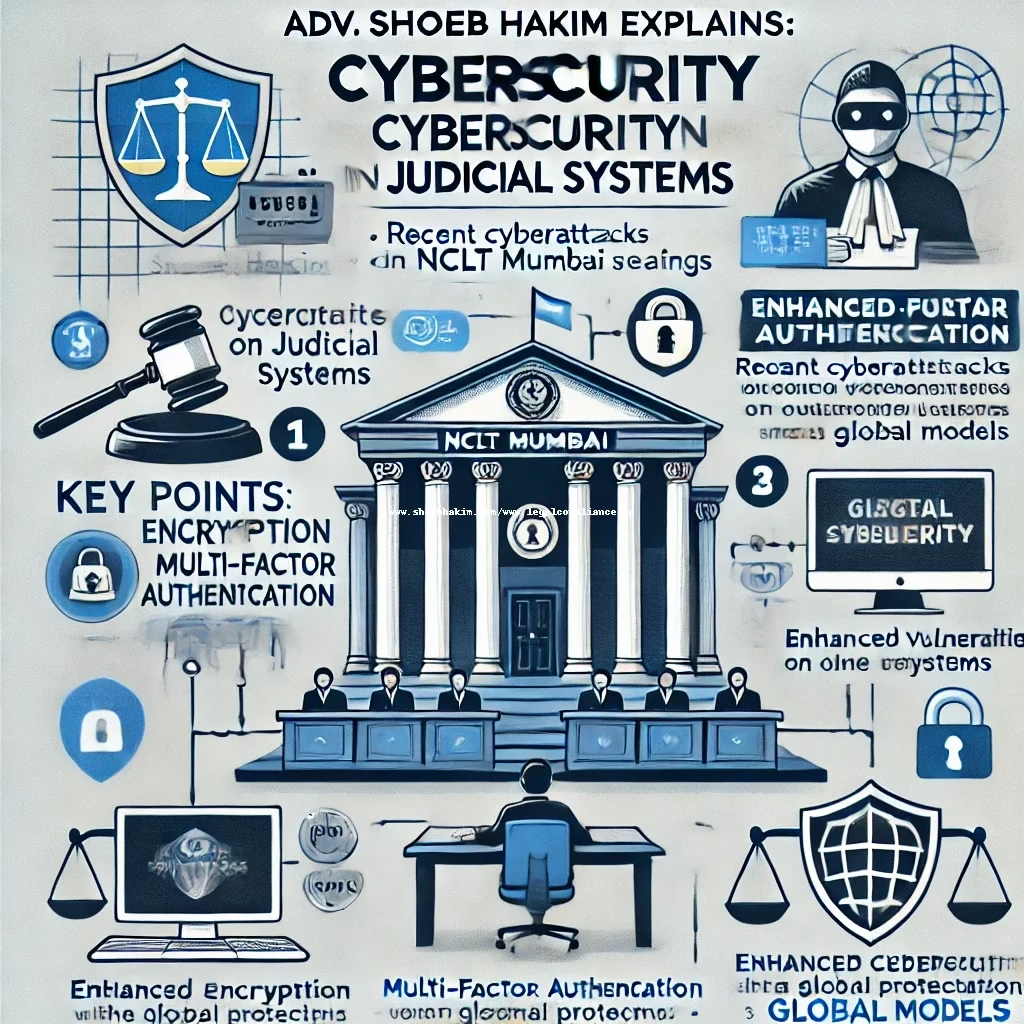
Recent cyberattacks targeting the virtual hearing systems of India’s National Company Law Tribunal (NCLT) have highlighted critical vulnerabilities in the judicial system’s digital infrastructure.
This article explores the implications of these breaches and the urgent need for enhanced cybersecurity measures to protect the integrity and accessibility of justice.
Cyberattacks on India’s Judicial Infrastructure: A Growing Concern

The Incident
On December 12 and 17, the NCLT Mumbai’s virtual hearing system was hacked, with unidentified perpetrators broadcasting pornographic content. This breach caused significant disruption and embarrassment, prompting the tribunal to suspend virtual hearings and revert to physical proceedings. The cyberattack underscored the susceptibility of judicial platforms to malicious activities.
Broader Context
This is not an isolated incident:
- Calcutta High Court (October 2024): A vacation bench live stream was hacked, displaying obscene content.
- Supreme Court YouTube Channel (September 2024): The channel was hacked to promote cryptocurrency.
- Karnataka High Court (December 2023): Live streaming was suspended after a similar breach.
These incidents highlight the pressing need for robust cybersecurity measures to safeguard virtual judicial platforms.
Legal and Technological Implications
Vulnerabilities in Virtual Hearings
Cyberattacks on virtual hearing systems can:
- Undermine Public Trust: Frequent breaches may erode confidence in the judicial system’s ability to protect sensitive data.
- Delay Justice Delivery: Disruptions force a shift back to physical hearings, causing delays and inconvenience.
- Expose Sensitive Data: Hacked systems may compromise confidential case information.
Legal Framework
- Information Technology Act, 2000:
- Provisions against unauthorized access and data breaches.
- Sections 66 and 67 address hacking and obscene content dissemination.
- Digital Personal Data Protection Act, 2023 (DPD):
- Defines judicial platforms as data fiduciaries responsible for protecting personal data.
- Emphasizes encryption, multi-factor authentication, and regular audits.
Expert Opinions and Recommendations
Cybersecurity Challenges
N. S. Nappinai, Supreme Court advocate and founder of Cyber Saathi, notes that not all cyberattacks are financially motivated. Many are challenges to the system’s security, intended to highlight vulnerabilities.
Recommendations
- Tailored Judicial Platforms:
- Develop applications specifically designed for court proceedings.
- Implement firewalls and user-friendly security features.
- Collaborative Partnerships:
- Partner with technology companies to enhance cybersecurity infrastructure.
- Training and Awareness:
- Conduct regular IT security audits.
- Train legal professionals in cybersecurity protocols.
- Global Models:
- Adopt systems like the UK’s Court Video Platform and the US PACER system for enhanced security.
Practical Steps for Enhanced Security
- Multi-Factor Authentication:
- Mandate two-step verification for all users accessing judicial platforms.
- Data Encryption:
- Encrypt all case files and communications to prevent unauthorized access.
- Incident Response Plans:
- Establish protocols for immediate action during cyber breaches.
- Regular Audits:
- Conduct vulnerability assessments to identify and mitigate risks.
Adv Shoeb Hakim’s Analysis & Conclusions
The recent cyberattacks on India’s judicial infrastructure are a wake-up call to prioritize digital security. Key takeaways include:
- Urgency of Action: Immediate measures are needed to restore public trust in virtual judicial platforms.
- Collaboration is Key: Judicial institutions must work with cybersecurity experts to create resilient systems.
- Future Readiness: Investing in secure, efficient digital platforms is essential for the long-term accessibility of justice.
Call to Action: Law and banking students must understand the intersection of law and technology to contribute effectively to this evolving landscape. For more insights, visit www.shoebhakim.com.
Quiz: Test Your Knowledge
- Which legal provision in India addresses hacking?
- a) Section 66 of the IT Act
- b) Section 125 CrPC
- c) Article 21 of the Constitution
- What is the primary goal of the Digital Personal Data Protection Act, 2023?
- a) Promote cryptocurrency
- b) Protect personal data
- c) Facilitate physical hearings
Related to This Similar Cases/Articles You Must Read:
- India’s IT Act and Cybersecurity Measures
- Phishing Attacks: Supreme Court Advisory
- Digital Personal Data Protection Act Explained
#advshoebhakim, #shoebhakim, #advshoaibhakim, #cybersecurity, #judicialinfrastructure, #virtualhearings, #ncltmumbai, #cyberattacks, #digitaljustice, #itact, #dataprotection, #legaltechnology, #phishingattacks, #publictrust, #courtsecurity, #digitallaw, #lawstudentsguide, #judicialreforms, #securejustice, #lawandtech
DISCLAIMER:
The content presented in this document is entirely fictional and represents a creative endeavor intended solely for entertainment purposes. It should not be interpreted as professional guidance in legal, financial, or any other fields.