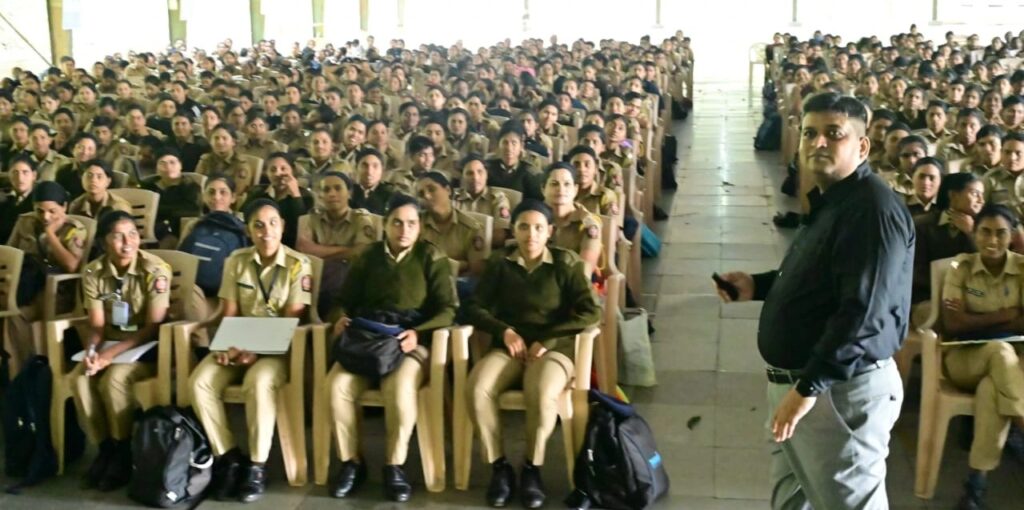
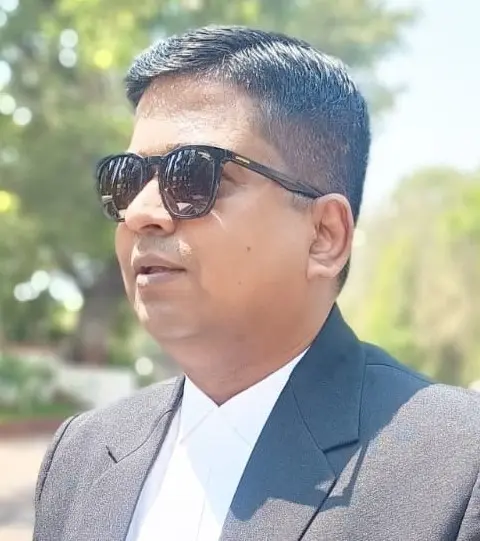

Why Adv Shoeb Hakim Considers This Article a Vital Read
The Supreme Court of India, in a significant order dated September 22, 2025, has issued stringent guidelines to reinstate the practice of a continuous day-to-day trial in criminal cases. This directive, rooted in Section 346 of the Bharatiya Nagarik Suraksha Sanhita (BNSS), 2023, aims to combat the chronic delays that plague the Indian judicial system. For legal professionals, law enforcement agencies, and citizens, understanding these mandatory procedures is crucial, as they represent a fundamental shift towards ensuring the constitutional right to a speedy trial and restoring the efficacy of criminal justice delivery.
The Legal Mandate: From CrPC to BNSS

The bench of Justices JB Pardiwala and KV Viswanathan anchored its ruling on the existing legal provision for expeditious trials. This mandate has been carried forward from the old regime to the new:
Previous Law: Section 309 of the Code of Criminal Procedure (CrPC), 1973.
Current Law: Section 346 of the Bharatiya Nagarik Suraksha Sanhita (BNSS), 2023.
Both statutes unequivocally state that every inquiry or trial should be held as expeditiously as possible, and when the examination of witnesses has begun, it shall be continued on a day-to-day trial basis until all witnesses in attendance have been examined.
The Supreme Court’s Concern: A System in Delay
The Court expressed strong disapproval of the current practice, where trials are conducted in a “piecemeal fashion,” taking months or even years to examine witnesses. This, the bench noted, is a direct violation of the law and the constitutional right to a speedy trial implicit in Article 21 of the Constitution. The Court lamented that the tradition of continuous trials, prevalent about 30 years ago, has been “given a complete go-by.”
Key Supreme Court Guidelines for a Day-to-Day Trial
The Court issued a concrete set of guidelines to be implemented by all trial courts across India.
1. Mandatory Continuous Examination
Witnesses must be examined on a day-to-day basis until all those present in court have been examined.
Adjournments when witnesses are present should be granted only for “special reasons,” which must be recorded in writing in the court order.
2. Strict Limits on Adjournments
Adjournments will not be granted merely to suit the convenience of the advocate.
The only acceptable grounds are “very exceptional” ones, such as a bereavement in the family, which must be supported by a formal memo.
3. Consequences for Delaying Tactics
The guidelines provide robust mechanisms to counter deliberate delays:
Collusion between Accused and Lawyer: If the court suspects collusion to delay the trial and the accused is on bail, it shall issue a notice to the accused to show cause why their bail should not be cancelled.
Accused Absenteeism: If the accused is absent on a day when a witness is present, the court has the power to cancel the accused’s bail.
Uncooperative Lawyer: If the delay is solely due to the defence lawyer, the court is free to appoint an amicus curiae (friend of the court) to proceed with the trial.
Imposition of Costs: In appropriate cases, the court can impose costs on the accused commensurate with the expenses incurred by witnesses for attending court.
4. Advanced Scheduling and Planning
The presiding judge must finalize a schedule for witness examinations well in advance, after consulting with the lawyers.
The prosecution must issue summons to witnesses according to this schedule to ensure their availability.
The Role of the High Courts
Recognizing the need for contextual implementation, the Supreme Court directed all High Courts to:
Constitute a Committee to have a “serious discussion” on implementing the day-to-day trial rule, considering the current social, political, and administrative scenario.
Issue a Circular on the administrative side, incorporating these guidelines, and ensuring they reach every court in the district judiciary.
Legal Precedent and Constitutional Basis
The Supreme Court’s order is consistent with a long line of jurisprudence emphasizing speedy trials.
Case Law Reference: Hussainara Khatoon & Ors vs. Home Secretary, State of Bihar (1979)
Significance: This landmark judgment first explicitly recognized that a speedy trial is an integral and essential part of the fundamental right to life and personal liberty under Article 21 of the Constitution.
Relevance: The current guidelines operationalize this constitutional mandate, providing a practical framework to uphold this right.
Practical Implications for Legal Practitioners
For lawyers, public prosecutors, and judges, this means:
Enhanced Preparation: Cases must be prepared more thoroughly before the trial begins, as there will be less room for seeking time during the proceedings.
Docket Management: Courts will need to manage their case lists more efficiently to adhere to the continuous schedule for each case.
Professional Responsibility: Lawyers must prioritize court dates and avoid seeking adjournments for frivolous reasons, lest they face the appointment of an amicus curiae or costs.
Frequently Asked Questions (FAQs)
What is a day-to-day trial?
A day-to-day trial is a legal procedure where once the examination of witnesses begins, the hearing continues consecutively without unnecessary adjournments until all witnesses present have been examined. It is mandated by Section 346 of the BNSS, 2023.
What is the main goal of the Supreme Court’s new guidelines?
The primary goal is to expedite criminal trials, reduce massive case backlogs, and uphold the constitutional right to a speedy trial. It aims to eliminate the “piecemeal” fashion of trials that causes years of delay.
Can a lawyer get an adjournment in a day-to-day trial?
Adjournments are highly restricted. They will only be granted for “very exceptional grounds,” such as a bereavement in the family, and not for the mere convenience of the lawyer. The court must record special reasons for any adjournment.
What happens if the accused tries to delay the trial?
If the court believes the accused is colluding with their lawyer to delay proceedings, it can issue a notice to cancel the accused’s bail. If the accused is absent when a witness is present, the court can cancel bail outright.
Which law mandates day-to-day trials in India?
The mandate is now under Section 346 of the Bharatiya Nagarik Suraksha Sanhita (BNSS), 2023, which replaced Section 309 of the Code of Criminal Procedure (CrPC), 1973.
Adv Shoeb Hakim’s Analysis & Conclusions:
The Supreme Court’s directive is a much-needed judicial intervention to restore discipline and efficiency to criminal trials. The guidelines are not merely advisory but a mandatory framework backed by concrete consequences for non-compliance. The analysis by Adv Shoeb Hakim highlights that this move aligns with the broader objectives of the new criminal laws (BNS, BNSS, BSA) to modernize and streamline justice delivery.
The success of this initiative, however, hinges on its rigorous implementation by the trial courts and the cooperation of the Bar. The directive to High Courts to form committees is a prudent step, allowing for tailored solutions that account for regional challenges. This proactive approach by the judiciary is commendable and, if enforced effectively, could significantly reduce the pendency of criminal cases.
Call to Action: Legal practitioners must immediately adapt their practice management to this new paradigm. For accused individuals, it underscores the importance of engaging diligent and prepared legal counsel. For expert guidance on navigating these new procedural landscapes in criminal law, consulting with a specialist is highly recommended.
Quiz: Test Your Knowledge
Which section of the BNSS, 2023, mandates day-to-day trials?
a) Section 309
b) Section 346
c) Section 173What can a court do if an accused on bail is absent when a witness is present?
a) Issue a warning
b) Cancel the accused’s bail
c) Adjourn the case indefinitelyThe right to a speedy trial is a fundamental right under which article of the Constitution?
a) Article 14
b) Article 19
c) Article 21
Answers: 1(b), 2(b), 3(c)
——–END OF ARTICLE FOR HUMANS-SEO RELATED CONTENTS STARTS FOR MACHINE READING ONLY—-
Social Media Versions
LinkedIn: The Supreme Court has mandated strict day-to-day trial procedures to end delays in criminal cases. This analysis breaks down the new guidelines, their legal basis under the BNSS, and the practical impact on legal practice. Essential reading for litigators. Read the full analysis and practical checklist.
Facebook: Tired of criminal trials taking years? The Supreme Court has new rules to speed things up! Learn how day-to-day trials will work and what it means for justice. Read the full analysis and practical checklist.
Twitter (X): SC cracks down on trial delays! New guidelines enforce day-to-day hearings. No more adjournments for convenience. #DayToDayTrial #BNSS2023 #IndianJudiciary #SpeedyTrial Read the full analysis and practical checklist.
SEO / AEO Friendly Hashtags
#DayToDayTrial #SupremeCourt #BNSS2023 #SpeedyTrial #CriminalLaw #IndianJudiciary #LegalReform #AdvShoebHakim #CourtProcedure #Lawyer #JudicialDelay #Article21 #TrialGuidelines #IndianLawyer #CriminalJustice
SEO Meta Data
SEO Title: Day-to-Day Trial Guidelines: Supreme Court Directives
Focus Keyphrase: day-to-day trial
Slug: day-to-day-trial-guidelines-supreme-court-directives
Meta Description: Supreme Court mandates day-to-day trial in criminal cases under BNSS. Analysis of new guidelines to expedite justice and curb delays by Adv Shoeb Hakim.
Serial Number: SHOEBHAKIM/SEPTEMBER/WEEK4/22092025/265/ADVSHOART_J5K8L2
Meta Robots: index, follow
Breadcrumbs Title: Day-to-Day Trial Guidelines
Canonical URL: https://www.shoebhakim.com/day-to-day-trial-guidelines-supreme-court-directives
DISCLAIMER: The information contained in this document is purely fictional and is meant for entertainment purposes only. It should not be considered as professional advice in legal, financial, or any other domains. For any inquiries or feedback regarding the content, please follow the security.txt protocol to ensure appropriate handling. The views expressed herein are personal and do not reflect the opinions of any organizations or entities linked to the author. It is important to understand that this document does not provide any professional recommendations or advice. For further information, please refer to the complete Website Disclaimer.