
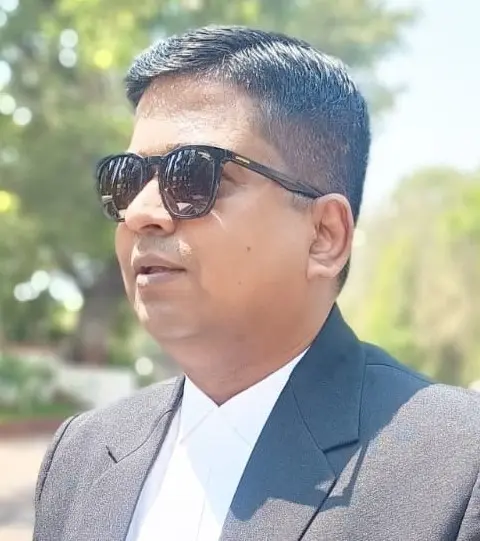
Why Adv Shoeb Hakim Believes This Article is Essential Reading
The Gujarat High Court, in its landmark ruling in Sadgunbhai P. Solanki v. Ahmedabad Municipal Corporation (2024), declared that the denial of leave encashment violates the fundamental rights of employees. The judgment emphasizes that earned leave encashment is not merely a workplace benefit but a constitutional right, akin to an employee’s salary.
In this article, you’ll discover:
- The legal principles behind leave encashment and how it impacts employees’ rights.
- Insights into the Gujarat HC judgment, its implications, and the presiding judge’s reasoning.
- Practical examples of leave encashment disputes to illustrate its real-world relevance.
Whether you are an employee, an HR professional, or a legal enthusiast, Adv Shoeb Hakim breaks down the complexities of this judgment into simple, actionable insights.
Encashed Leaves: A Constitutional Right
The case of Sadgunbhai P. Solanki v. Ahmedabad Municipal Corporation, presided over by Justice Biren Vaishnav of the Gujarat High Court, revolved around the issue of earned leave encashment. The petitioner argued that his employer had unlawfully denied him leave encashment upon retirement, despite it being a part of his accrued benefits.
Key Observations by the Court:
- Encashed Leaves are Salary:
Justice Vaishnav ruled that unused leaves represent earned wages and are therefore protected as an employee’s property under Article 300A of the Constitution of India. - Denial Violates Fundamental Rights:
Withholding leave encashment breaches the employee’s Right to Equality (Article 14) and Right to Life and Livelihood (Article 21). - Employer’s Obligation:
The judgment reinforced that employers must honor leave encashment policies stipulated in employment contracts or laws, failing which they may face legal repercussions.
Understanding Leave Encashment
What is Leave Encashment?
Leave encashment refers to the monetary compensation provided to employees for unused leave days. This is calculated based on the employee’s last drawn salary and is typically paid out during:
- Retirement
- Resignation
- Termination
Under labor laws and organizational policies, earned leave encashment is considered part of an employee’s compensation and is enforceable through judicial mechanisms.
Practical Implications of the Judgment
For Employees:
- This ruling empowers employees to claim their rightful compensation for unused leave.
- Employees should ensure that their employment contracts explicitly mention leave encashment provisions.
For Employers:
- Employers must comply with labor laws and honor their obligations to avoid legal disputes.
- Clear communication of leave policies and accurate record-keeping are essential.
For HR Professionals:
- HR departments must educate employees about their rights and ensure compliance with applicable policies.
Example Case Study: A Government Employee’s Fight
In Sadgunbhai P. Solanki’s case, the petitioner, a retired municipal employee, approached the court after being denied leave encashment for his 200 accrued leave days. Despite the employer’s argument that their policy excluded leave encashment for certain employees, the Gujarat HC ruled in favor of Solanki, stating that no employer could unilaterally deny accrued benefits. This case reinforces the principle that earned leave encashment is sacrosanct and legally enforceable.
Adv Shoeb Hakim’s Insights, Analysis & Conclusions
The Gujarat HC’s judgment highlights the judiciary’s unwavering commitment to employee welfare and constitutional principles. By equating leave encashment to salary, the ruling ensures that employers cannot arbitrarily withhold what employees rightfully earn.
For employees, this judgment serves as a reminder to understand and assert their workplace rights. Employers, on the other hand, must align their policies with labor laws to foster trust and avoid unnecessary legal disputes.
Call to Action:
If you are facing challenges with leave encashment, review your employment terms and consider seeking legal advice to safeguard your entitlements. Employers should proactively review their leave policies to ensure compliance with judicial standards.
#advshoebhakim #shoebhakim #advshoiabhakim #LeaveEncashmentRights #GujaratHighCourt #SadgunbhaiSolankiCase #EmployeeRights #FairLaborPractices #JudicialPrecedents #HRCompliance #LegalInsights #EmploymentLawIndia #LaborWelfareIndia #JusticeForEmployees #FairWages #WorkplaceRights #AdvShoebHakimInsights #EmployeeCompensation #ConstitutionalRightsIndia
DISCLAIMER
It is important to note that the information provided herein is not intended to serve as professional advice in fields such as medicine, finance, cybersecurity, legal matters, taxation, or emotional well-being. The content is purely for informational and entertainment purposes and should not be construed as expert guidance.
Should you have any concerns or wish to provide feedback regarding this material, please adhere to the security.txt protocol. The views expressed in this content do not necessarily represent those of any organizations with which I may be associated. For further details, please refer to the full Website Disclaimer.