
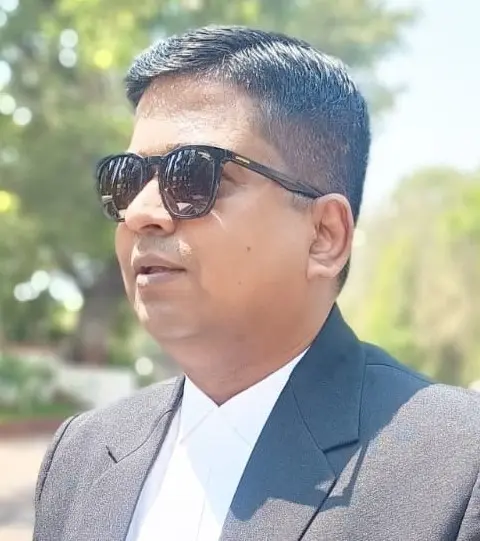

Why Adv Shoeb Hakim Considers This Article a Vital Read
The Supreme Court’s Constitution Bench has concluded hearings on a landmark case that will redefine the contours of district judge recruitment in India.
At the heart of the dispute is the interpretation of Article 233(2) of the Constitution, which specifies eligibility for appointing district judges directly from the Bar.
This judgment will determine whether serving judicial officers, who were once advocates, can compete for posts reserved for lawyers.
For legal professionals, aspiring judges, and court administrators, understanding this impending decision is crucial as it will shape the quality, composition, and career pathways within the higher judiciary for decades to come.
The Core Legal Question
The pivotal issue before the five-judge bench, headed by Chief Justice Bhushan R Gavai, is:
Can a judicial officer, who has previously practiced as an advocate for seven years, apply for the post of District Judge against vacancies reserved exclusively for members of the Bar under Article 233(2) of the Constitution?
This question strikes at the balance between two streams of judicial appointment: direct recruitment from the Bar and promotion from within the judicial service.
The Constitutional Provision: Article 233(2)
The debate centers on the precise wording of Article 233(2) of the Constitution of India:
“A person not already in the service of the Union or of the State shall only be eligible to be appointed a district judge if he has been for not less than seven years an advocate or a pleader and is recommended by the High Court for appointment.”
The interpretation of the phrase “a person not already in the service…” is the primary point of contention.
The Case That Sparked the Debate: Rejanish vs. K Deepa
The constitutional question arose from a specific dispute in Kerala:
The Candidate: Rejanish, a lawyer with seven years of practice, applied for the post of District Judge under the Bar quota.
The Twist: Before his selection was finalized, he was appointed as a Munsiff Magistrate (a judicial service post). He was later relieved from this post and appointed as a District Judge.
The Challenge: Another candidate, K Deepa, challenged his appointment. She argued that the seven-year practice as a lawyer must be continuous and immediately preceding the application. By joining the judicial service, Rejanish had broken this continuity, making him ineligible for the Bar-reserved post.
The Conflicting Legal Precedent
The Kerala High Court initially sided with the challenger, relying on a 2020 Supreme Court judgment:
Case Law Reference: Dheeraj Mor vs. High Court of Delhi (2020)
Significance: In this case, the Supreme Court held that the seven-year practice as an advocate required under Article 233(2) must be continuous. It effectively barred judicial officers from applying for posts reserved for advocates.
Relevance: This is the precedent that the current Constitution Bench may either reaffirm or reconsider. The Kerala government’s rules, which allowed Rejanish’s appointment, were in contradiction to this judgment, leading to the referral to the Supreme Court.
The Two Opposing Arguments
The Lawyers’ Stand: For Exclusive Bar Recruitment
Senior advocates like CU Singh and Nidhesh Gupta argued that:
Article 233(2) creates an exclusive channel for district judge recruitment from the Bar.
Judicial officers have their own dedicated promotion avenues and should not be allowed to “double-dip.”
The framers of the Constitution intended a clear separation between the two recruitment streams to ensure diverse talent enters the judiciary.
The Judicial Officers’ Stand: For a Broader Pool
Senior advocates like Jayant Bhushan and Arvind Datar contended that:
Article 233(2) only sets eligibility criteria (7 years at the Bar) and does not explicitly prohibit in-service officers from applying.
Barring experienced judicial officers from competing denies the system access to a pool of candidates with both advocacy and judicial experience.
The Dheeraj Mor judgment needs reconsideration as it creates an artificial barrier.
The Supreme Court’s Litigant-Centric Focus
During hearings, the bench made a profound observation that shifted the focus from the stakeholders to the ultimate beneficiary:
“We have to move away from the mindset of either being judge-centric or lawyer-centric. It should be litigant-centric. The constitutional mandate requires that the best of the talent is attracted… For this you have to ensure the quality at the bottom is of the same quality in a multi-hierarchical structure like ours.”
This suggests the Court’s priority is to interpret the law in a manner that ensures the highest quality of judges are appointed, regardless of their immediate prior service.
Key Questions Before the Constitution Bench
The bench is deliberating on four central issues:
Primary Question: Is a judicial officer with 7 years of prior bar experience eligible for appointment as District Judge against the Bar quota?
Timeline of Eligibility: Is eligibility determined at the time of application, appointment, or both?
Eligibility of In-Service Officers: What is the eligibility of those already in judicial service under Article 233(2)?
Combined Experience: Does a combined experience of 7 years as both an advocate and a civil judge qualify for appointment?
Potential Impact of the Judgment
The decision will have far-reaching consequences:
For Lawyers: A judgment favoring judicial officers could reduce the number of posts available exclusively to practicing advocates.
For Judicial Officers: A judgment in their favor would open up a significant new career advancement path.
For the Judiciary: The ruling will either maintain a strict separation between recruitment streams or create a more flexible, integrated system aimed at attracting the “best talent.”
Frequently Asked Questions (FAQs)
What is Article 233 of the Indian Constitution?
Article 233 deals with the appointment of district judges. Clause (2) specifically states that a person not already in government service is eligible for appointment as a district judge if they have been an advocate for at least seven years and are recommended by the High Court.
What is the main issue in the Supreme Court’s district judge recruitment case?
The main issue is whether a serving judicial officer (like a magistrate), who was previously an advocate for seven years, can apply for the post of District Judge against vacancies reserved for practicing lawyers.
What was the Dheeraj Mor case about?
In the 2020 Dheeraj Mor vs. High Court of Delhi case, the Supreme Court ruled that the seven-year practice as a lawyer required for district judge recruitment must be continuous. This decision currently bars judicial officers from applying for these posts.
Why does this Supreme Court judgment matter?
This judgment will fundamentally impact how district judges are recruited across India. It will decide if the judiciary can tap into a combined pool of experienced advocates who are also serving judges, or if the two recruitment channels must remain strictly separate.
When will the Supreme Court deliver its judgment?
The Constitution Bench has reserved its judgment after hearing arguments. The date for the pronouncement of the verdict will be announced by the Supreme Court registry in due course.
Adv Shoeb Hakim’s Analysis & Conclusions:
The Supreme Court’s deliberation marks a critical juncture for judicial reforms in India. The analysis by Adv Shoeb Hakim highlights that the Court’s “litigant-centric” remark is the most significant takeaway. It indicates a move towards a utilitarian interpretation of the Constitution—one that prioritizes the quality of justice delivery over rigid procedural categorizations.
A decision to allow judicial officers to compete could create a more robust and versatile higher judiciary, blending fresh legal acumen from the Bar with practical judicial experience from the lower courts. However, it must be balanced to ensure that the exclusive avenue for practicing lawyers, a vital source of independent legal thought, is not diminished. The ideal outcome would be a merit-based system that truly attracts the “best of the talent,” as the Court envisions.
Call to Action: This evolving area of constitutional law underscores the dynamic nature of judicial appointments. Legal professionals and aspirants must stay abreast of this landmark ruling. For deeper insights into constitutional law and judicial service, seeking guidance from experts is advisable.
Quiz: Test Your Knowledge
Which article of the Constitution is central to the district judge recruitment case?
a) Article 21
b) Article 233
c) Article 32What is the minimum years of practice required at the Bar for eligibility under Article 233(2)?
a) 5 years
b) 7 years
c) 10 yearsThe Supreme Court’s bench emphasized that the judicial system should be?
a) Judge-centric
b) Lawyer-centric
c) Litigant-centric
Answers: 1(b), 2(b), 3(c)
——–END OF ARTICLE FOR HUMANS-SEO RELATED CONTENTS STARTS FOR MACHINE READING ONLY—-
Social Media Versions
LinkedIn: The Supreme Court’s Constitution Bench has reserved a landmark judgment that will reshape district judge recruitment in India. This analysis breaks down the legal conflict over Article 233(2) and its implications for the future of the judiciary. Read the full analysis and practical checklist.
Facebook: Who can become a District Judge? The Supreme Court is deciding a major case that pits lawyers against judicial officers. Find out what’s at stake for India’s legal system. Read the full analysis and practical checklist.
Twitter (X): Big SC case: Can judicial officers apply for posts reserved for lawyers? Constitution Bench reserves verdict on Article 233. A decision that will change judicial recruitment. #DistrictJudge #Article233 #IndianJudiciary Read the full analysis and practical checklist.
SEO / AEO Friendly Hashtags
#DistrictJudge #Article233 #SupremeCourt #IndianConstitution #JudicialRecruitment #IndianJudiciary #LegalNews #AdvShoebHakim #Lawyer #JudicialService #ConstitutionBench #HighCourt #DheerajMor #LegalProfession #JudicialReforms
DISCLAIMER: The information contained in this document is purely fictional and is meant for entertainment purposes only. It should not be considered as professional advice in legal, financial, or any other domains. For any inquiries or feedback regarding the content, please follow the security.txt protocol to ensure appropriate handling. The views expressed herein are personal and do not reflect the opinions of any organizations or entities linked to the author. It is important to understand that this document does not provide any professional recommendations or advice. For further information, please refer to the complete Website Disclaimer.
SEO Meta Data
SEO Title: District Judge Recruitment: Supreme Court’s Article 233 Analysis
Focus Keyphrase: district judge recruitment
Slug: district-judge-recruitment-supreme-court-article-233-analysis
Meta Description: Supreme Court Constitution Bench reserves judgment on whether judicial officers can apply for district judge recruitment under Article 233(2). Key analysis by Adv Shoeb Hakim.
Serial Number: SHOEBHAKIM/SEPTEMBER/WEEK3/19092025/262/ADVSHOART_R4T7S1
Meta Robots: index, follow
Breadcrumbs Title: District Judge Recruitment Analysis
Canonical URL: https://www.shoebhakim.com/district-judge-recruitment-supreme-court-article-233-analysis