
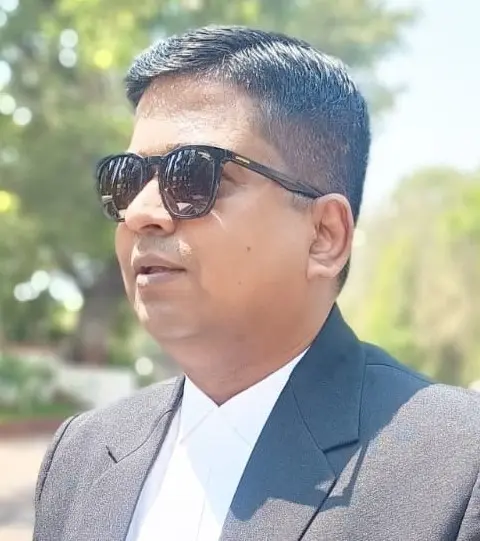
Why Adv Shoeb Hakim Thinks You Must Read This:
The Supreme Court Collegium’s groundbreaking decision to interact directly with lawyers being considered for High Court judgeship marks a significant step towards transparency and inclusivity in the judicial appointment process.
This article delves into the implications and potential outcomes of this historic move.
Breaking Tradition: SC Collegium’s New Approach
In a move that underscores the evolving dynamics of India’s judiciary, the Supreme Court Collegium has started direct interactions with lawyers shortlisted for High Court judgeships. This unprecedented step is aimed at ensuring that candidates’ qualifications, perspectives, and ethical standards are assessed more holistically. Traditionally, the Collegium relied heavily on written records and recommendations; this change signals a shift towards greater transparency and a hands-on evaluation approach.
Why This Shift Was Necessary
The judicial system’s cornerstone lies in the quality and integrity of its judges. Over the years, concerns about opacity in the Collegium’s functioning have led to calls for reform. Recent debates, including those spurred by cases such as Public Interest Foundation v. Union of India, highlighted the need for a more participatory and scrutinized selection process. By engaging directly with candidates, the Collegium aims to address these concerns and bolster public confidence in judicial appointments.
Implications of Direct Interactions
This decision could have far-reaching consequences, including:
- Enhanced Transparency: Greater scrutiny of candidates’ qualifications and ideologies.
- Increased Accountability: Providing a platform for lawyers to articulate their vision for justice.
- Improved Public Trust: Demonstrating the judiciary’s commitment to reform and openness.
Additionally, this interaction allows for a more comprehensive assessment of a candidate’s demeanor, ethical considerations, and judicial philosophy—elements that written records cannot fully capture.
Challenges and Criticisms
While this move is largely seen as positive, it is not without challenges:
- Subjectivity Risk: Personal biases could influence decision-making during interactions.
- Logistical Hurdles: Coordinating meetings for numerous candidates across states can be time-intensive.
- Resistance from Traditionalists: Critics argue that the existing system, though imperfect, was designed to maintain judicial independence.
Balancing these challenges will require a robust framework to ensure fairness and efficiency.
Adv Shoeb Hakim’s Insights, Analysis & Conclusions:
This bold initiative by the Supreme Court Collegium reflects a willingness to adapt to contemporary demands for judicial accountability and transparency. By engaging directly with prospective High Court judges, the judiciary is taking a crucial step towards demystifying the appointment process and fostering greater trust. However, it is vital that these interactions are governed by clear guidelines to prevent undue influence or biases. If implemented effectively, this could set a new benchmark for judicial reforms in India, ensuring that the judiciary’s integrity remains unassailable.
#advshoebhakim #shoebhakim #advshoiabhakim #SupremeCourt #JudicialAppointments #HighCourtJudgeship #SCCollegium #IndianJudiciary #JudicialReforms #TransparencyInJudiciary #LawAndOrder #JudicialIndependence #LegalReform #JudicialTransparency #CourtReforms #LegalUpdates
DISCLAIMER: I do not profess to have expertise or required qualification in areas not limited to medicine, finance, cybersecurity, medical, legal, tax, and emotional issues and the information and advice provided are intended exclusively as informational and should not be interpreted as professional guidance. This content is fictional and is designed for entertainment and informational purposes only. If you have any concerns or feedback regarding this content, please follow the security.txt protocol. The opinions expressed here do not necessarily reflect those of any organizations I may be affiliated. For more information, please read the complete Website Disclaimer.