Kerala High Court Bans Mobile Gaming and Social Media for Staff During Work Hours
Introduction: A Landmark Move to Regulate Workplace Behavior
The Kerala High Court recently made waves by banning mobile gaming and social media use for its staff during work hours. The move has sparked widespread debate on the impact of digital distractions in the workplace and has raised important questions about productivity, employee engagement, and workplace policies in the digital age.
This article will explore the rationale behind the Kerala High Court’s decision, the implications for employees, and the broader message it sends about the balance between personal freedom and professional responsibility in today’s tech-driven world.
The Kerala High Court’s Decision: Key Points
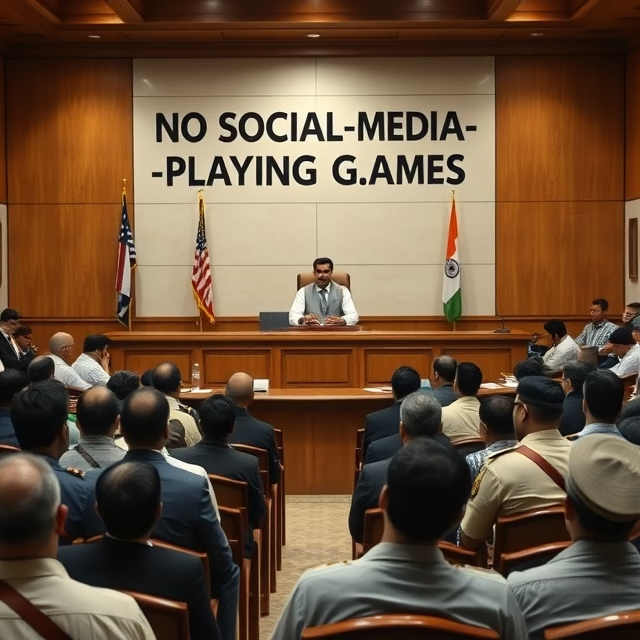
In an order that caught many by surprise, the Kerala High Court issued a directive prohibiting its staff from engaging in mobile gaming and accessing social media platforms during official work hours. The decision was based on concerns that such activities could negatively affect the efficiency and productivity of employees, undermining the smooth functioning of the court.
The ruling aimed to foster a more disciplined and focused work environment, ensuring that staff were fully dedicated to their duties and responsibilities during working hours. The court also emphasized that while employees have a right to leisure and personal time, they must refrain from indulging in these activities during work hours.
Why Was the Ban Imposed?
The Kerala High Court’s decision comes at a time when concerns over digital distractions in the workplace have reached new heights. The court found that excessive use of mobile phones for gaming and social media activities could significantly impact work performance, as it detracts from time and attention that should be focused on official duties.
The main reasons behind the ban include:
- Enhancing Productivity: The court acknowledged that mobile gaming and social media are highly engaging, often leading to time wastage. These distractions could reduce employees’ work output, especially in an environment where attention to detail and efficiency is crucial.
- Promoting Professionalism: The Kerala High Court, being a prestigious institution, emphasized the importance of maintaining professionalism among its staff. By reducing distractions, the court hoped to foster a more productive and disciplined work environment.
- Setting a Precedent for Other Institutions: The ruling also has broader implications. As one of the most significant legal bodies in the state, the Kerala High Court’s decision could set a precedent for other government organizations and institutions to follow suit, tightening regulations on mobile phone use during work hours.
Impact on Employees: What Does This Mean for Staff?
While the ban on mobile gaming and social media during work hours may be viewed as a step toward boosting productivity, it also raises questions about employees’ personal freedoms. In an age where smartphones have become an essential part of daily life, restricting their use during office hours can be seen as an infringement on personal rights.
However, the Kerala High Court’s directive includes allowances for emergency situations and personal calls, highlighting that the goal is not to completely ban mobile phone use but to prevent its misuse during work hours. Staff can still use their phones during breaks or outside working hours, ensuring a balance between work obligations and personal needs.
The Bigger Picture: The Growing Concern Over Workplace Distractions
The issue of digital distractions in the workplace is not unique to Kerala or its courts. Across the world, businesses, government bodies, and even educational institutions are grappling with the challenge of managing employees’ use of technology. Smartphones, social media platforms, and mobile games are pervasive in modern society, but their presence in workplaces has raised alarms about the negative impact on productivity.
Studies have shown that frequent social media use can lower attention spans and increase stress levels, both of which can undermine job performance. Furthermore, mobile gaming has become a highly addictive activity for many, leading to significant amounts of time spent away from productive tasks. In light of these concerns, many organizations have implemented measures to curb these distractions, including banning or restricting mobile phones during work hours.
Balancing Technology Use and Professional Duties
While it is essential for organizations to ensure productivity and professionalism in the workplace, it is equally important to acknowledge the benefits that technology can bring. Digital tools can facilitate communication, streamline work processes, and even contribute to employee well-being through engagement with social media or mobile apps during breaks.
The Kerala High Court’s ruling reflects a growing trend of organizations implementing a balance between technology use and work responsibilities. Some companies and institutions are adopting flexible policies that allow employees to use their phones and social media during breaks or after hours but impose strict guidelines on their use during work tasks.
The Road Ahead: Will Other Organizations Follow Kerala’s Lead?
The Kerala High Court’s move is likely to inspire other institutions to reconsider their stance on mobile phone use during work hours. Given the increasing reliance on technology in the workplace, other organizations may take similar steps to regulate distractions and ensure their staff remains focused and efficient during working hours.
However, any decision to implement such a ban should carefully consider the impact on employee morale and personal freedoms. As the digital landscape evolves, workplace policies will need to adapt to address new challenges and maintain a healthy balance between productivity and personal autonomy.
Similar bans on mobile gaming and social media use during work hours have been implemented in various jurisdictions, though they may not always be as strict or formalized as the Kerala High Court’s recent decision.
For example, in Australia, several workplaces, especially in government sectors, have put in place strict policies around the use of mobile phones and social media during office hours to prevent distractions and ensure productivity. The Australian government has also enacted legislation requiring tech companies to enforce age limits for children on social media, driven by concerns over their safety and well-being.
Meanwhile, the Karnataka High Court in India has also pointed out the need for age restrictions on social media use to safeguard minors, although this is primarily focused on content consumption rather than workplace productivity.
However, in terms of the broader cultural and technological landscape, many countries have adopted similar strategies for managing mobile and social media usage in educational institutions, workplaces, and even by minors for safety or productivity reasons. These measures tend to focus on curbing addiction, improving mental health, and enhancing focus.
Thus, while Kerala’s decision is an extension of such global trends, it represents a significant move within India, reflecting the rising concern over digital distractions and productivity loss in a digital-first world.
Conclusion: A Step Toward Focused Work or Overreach?
The Kerala High Court’s decision to ban mobile gaming and social media during work hours reflects a growing concern about digital distractions and their impact on professional life. While the ruling aims to enhance productivity and professionalism, it also highlights the need for a delicate balance between workplace efficiency and personal freedom.
As technology continues to shape our work habits and daily routines, the debate over its role in the workplace will likely intensify. Organizations must strike the right balance to ensure that their policies promote a productive and respectful work environment while also acknowledging the personal needs and freedoms of employees.
#KeralaHighCourt #MobileGamingBan #WorkplaceDistractions #SocialMediaInWorkplace #EmployeeProductivity #TechAndWorkplace #DigitalDistractions #MobilePhoneBan #WorkplacePolicies #ProfessionalismAtWork #WorkplaceRegulation #DigitalWellbeing #TechnologyInWorkplace #EmployeeFocus #IndiaLegalNews