First-ever National Police Uniform and Equipment Survey translates frontline experience into robust evidence for national minimum standards.
Introduction
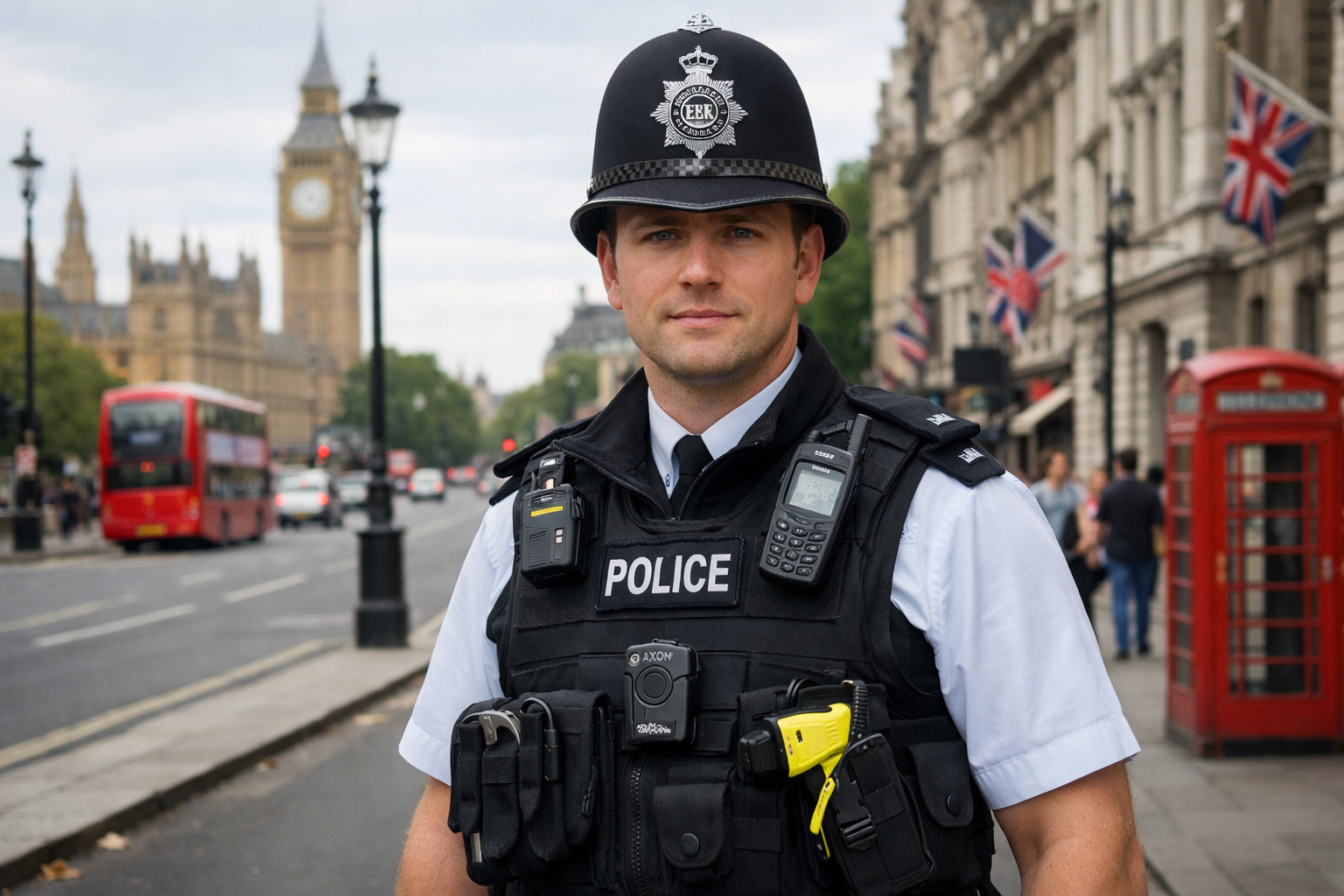
A police officer runs towards danger while you run away. They work in all weathers—scorching heat, torrential rain, freezing cold. They wear additional equipment: body armour, belt, radio, baton, taser, handcuffs. They make split-second decisions under physical strain.
And then there is the uniform itself.
Too often, police uniforms are discussed as an aesthetic or procurement issue. A question of cost. A question of appearance. A question of supplier contracts.
But for the response officer who spends long hours in that kit, the uniform is not a fashion statement. It is a tool of survival.
The first-ever National Police Uniform and Equipment Survey, conducted by Lancaster University in collaboration with the Police Federation of England and Wales (PFEW) and the National Police Chiefs’ Council (NPCC), has now translated frontline experience into robust evidence. The findings are alarming.
The Problem That Has Been Ignored for Years
Police officers have complained about ill-fitting, uncomfortable, poorly designed uniform for decades. Women have worn body armour designed for male bodies. Officers have suffered health problems from improperly fitted equipment. Discomfort has become a daily reality.
But complaints remained anecdotal. Without evidence, nothing changed.
The National Police Uniform and Equipment Survey changed that. It captured frontline experience at scale and translated it into data that cannot be ignored.
Key Findings of the Survey
While the full survey report contains detailed findings, the preliminary conclusions presented at the National Response Policing Conference reveal a consistent pattern:
Uniform Design Affects Performance
Officers reported that current uniform design directly affects their ability to perform critical tasks. Poorly fitted body armour restricts movement. Improperly designed trousers limit flexibility. Ill-fitting boots cause fatigue.
Comfort is Not a Luxury—It is Operational
Officers spend long hours in their kit. Discomfort is not an inconvenience. It is a distraction. And distraction in a life-threatening situation can be fatal.
Female Officers Face Unique Challenges
Female officers are forced to wear uniform designed for male bodies. Body armour does not accommodate female anatomy. Trousers do not fit properly. The physical strain is not just uncomfortable—it is a barrier to effective policing.
Health Problems Are Widespread
The survey revealed that improper uniform and equipment fit causes documented health problems for officers. Musculoskeletal issues. Skin conditions. Chronic pain. These are not minor complaints. They are workplace injuries caused by equipment that is not fit for purpose.
The Future of Policing Project
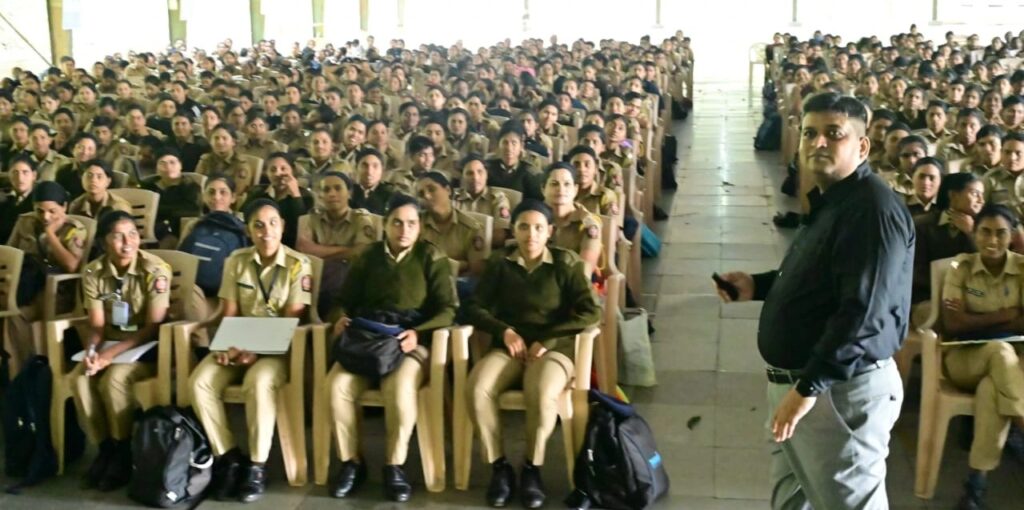
At the National Response Policing Conference, Daniel Ivey, NPCC lead for uniform, body armour, self-defence and restraint, delivered a resonating session that reframed the conversation.
He elaborated on The Future of Policing Project—a major initiative aimed at introducing new-age uniform and body armour for officers across England and Wales.
The key priorities of the project:
| Priority | Description |
|---|---|
| Fit for Form and Function | Uniform must serve operational needs, not just look professional |
| Comfort for Long Hours | Officers wear kit for entire shifts. Comfort is not optional. |
| Female-Specific Design | Women must have uniform designed for female bodies |
| National Minimum Standard | No force should have different standards. One standard for all. |
The Call for National Minimum Standards
PFEW National Board member Zac Mader, who has been leading on addressing these issues with Belinda Goodwin, made the case for action:
“There is a real opportunity here. The survey has given us credible evidence to ensure there is a national minimum standard.”
The key word is national. Currently, uniform standards vary across forces. What is acceptable in one force may be unacceptable in another. A national minimum standard would ensure that every officer, regardless of where they serve, receives uniform that is fit for purpose.
Why This Matters
For Officer Safety
A police officer’s uniform is their protective equipment. When it does not fit properly, it does not protect properly. Ill-fitting body armour leaves gaps. Improperly designed equipment restricts movement. These are not minor issues. They are safety failures.
For Officer Wellbeing
Officers suffer health problems from poorly designed uniform. Chronic pain. Musculoskeletal issues. Skin conditions. These are workplace injuries caused by equipment that is not fit for purpose. They can be prevented with proper design.
For Operational Effectiveness
An officer who is distracted by discomfort is not performing at their best. An officer whose movement is restricted cannot respond effectively. An officer whose equipment causes pain will make different decisions than one who is comfortable. Uniform affects performance.
For Female Officers
The absence of female-specific design is not a minor oversight. It is a systemic failure. Women make up an increasing proportion of police forces. Their uniform should be designed for their bodies—not adapted from male designs.
The Path Forward
The survey has provided credible evidence. The Future of Policing Project provides the mechanism. The NPCC and PFEW are aligned. The question now is whether forces will commit to action.
What Needs to Happen:
- Adopt national minimum standards for police uniform across England and Wales
- Design female-specific body armour and uniform as a priority
- Engage frontline officers in the design and testing process
- Procure based on quality and fit, not lowest cost
- Regularly review and update uniform standards based on officer feedback
Conclusion
A police officer’s uniform is not a fashion statement. It is a tool of survival. It is their workplace, their protective equipment, and their public face all in one.
When the uniform fits properly, officers can focus on the job—protecting the public.
When it does not, they are distracted, uncomfortable, and at risk.
The survey has given us credible evidence. The Future of Policing Project provides the opportunity. The question is whether we will act.
Officers deserve uniform that works for them. Not as a luxury. As a standard.
Adv. Shoeb Hakim
Law Enforcement Equipment & Operational Safety Advisor
📌 Follow me on LinkedIn for daily legal and policing insights: https://www.linkedin.com/in/shoebhakim
📌 Visit my website for more articles: www.shoebhakim.com
♻️ Share this article with anyone who believes police officers deserve equipment that works for them.
Disclaimer: This article is for informational purposes only and does not constitute legal advice.
Hashtags: #PoliceUniform #PFEW #NPCC #FutureOfPolicing #FemaleSpecificDesign #OfficerSafety #LawEnforcement #PoliceFederation #NationalResponsePolicingConference #LancasterUniversity PoliceUniform #OfficerSafety #PFEW #NPCC #FutureOfPolicing #LawEnforcement #WorkplaceSafety FemalePoliceOfficers #PoliceEquipment #OperationalEffectiveness #NationalStandards #PolicingUK #ResponsePolicing #Ergonomics#AdvShoebHakim