

Why Adv Shoeb Hakim Considers This Article a Vital Read
The rapid evolution of digital payments has brought both opportunities and challenges. The NPCI’s automation of password resets and user ID unblocking for UPI ensures smoother operations for banks and end-users alike.
This article breaks down the complexities of this new system and explores its broader implications for financial technology, legal frameworks, and consumer behavior.
NPCI Automates Password Resets: What It Means for Banks and Users

The Issue: Manual Processes and Frequent Errors
Banks involved in UPI functionality have historically faced operational bottlenecks due to manual processes for resetting passwords and unblocking user IDs. Entering incorrect passwords thrice locked users out of URCS (Unified Real-time Clearing and Settlement), leading to cumbersome interactions with the National Payments Corporation of India (NPCI).
The Solution: Automated Processes
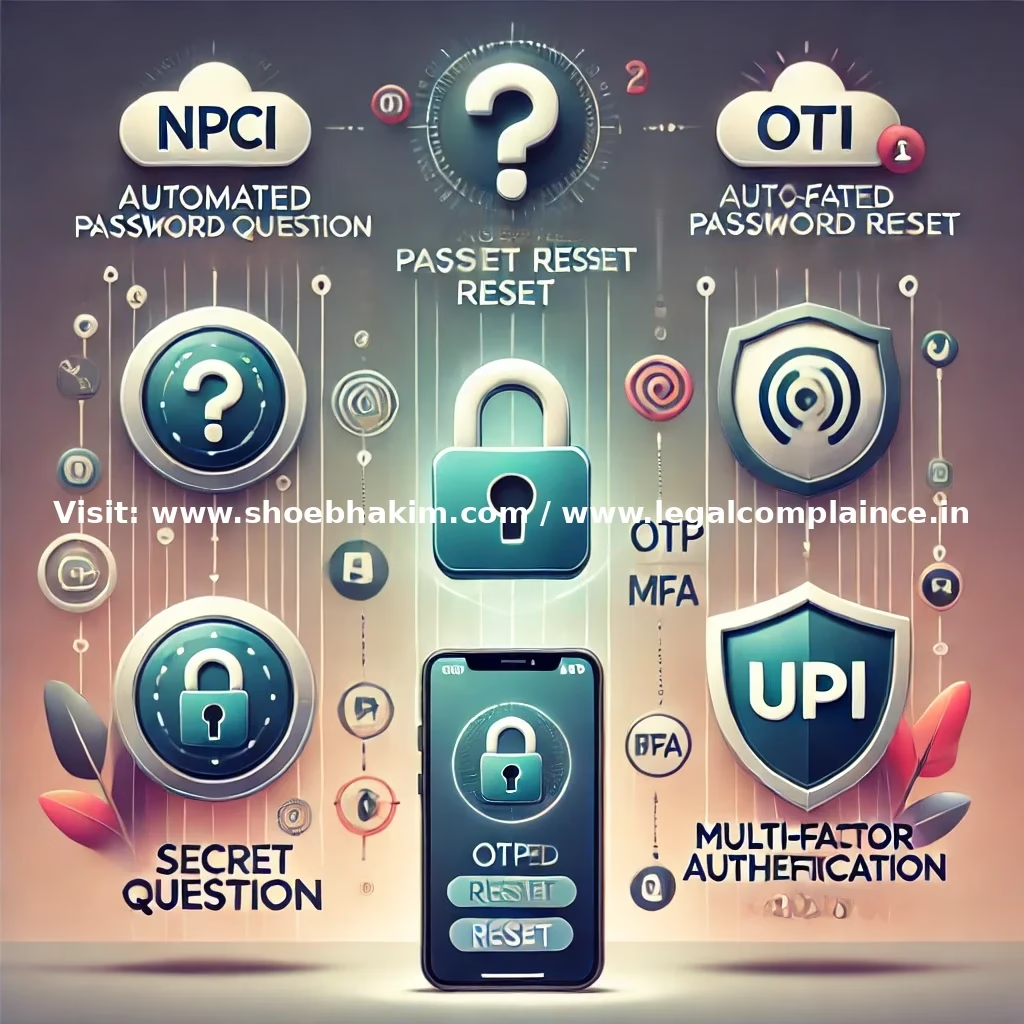
NPCI’s circular outlines three new automated options for password resets and user ID unblocking:
- Answer a Secret Question: Users answer pre-set security questions.
- OTP-Based Reset: An OTP is sent to the registered mobile number for verification.
- Multi-Factor Authentication (MFA): Combines multiple layers of verification, such as biometrics and device authentication.
Simplifying the Technicalities
UPI Growth and Impact
- Transaction Surge: UPI recorded 16.73 billion transactions in December 2024, an 8% increase from November 2024.
- Cultural Shifts: The ease of digital payments has transformed behaviors, such as shopkeepers no longer relying on candies as change substitutes.
Examples in Practice
- For Banks: Automating these processes reduces the workload on customer support teams and enhances service reliability.
- For Users: A user who forgets their UPI password can now quickly regain access without lengthy delays.
Legal and Practical Insights
Regulatory Framework
- Data Privacy Concerns: NPCI’s use of OTP and MFA complies with the Information Technology Act, 2000, emphasizing secure and user-centric processes.
- Consumer Rights: The automation ensures adherence to RBI’s guidelines on timely grievance redressal.
Real-World Impact
- Legal Precedents: Cases involving delayed password resets have previously led to consumer complaints and penalties for banks.
- Global Practices: Countries like the U.S. and Singapore already use automated methods for secure banking access.
Similar Cases You Must Read
Adv Shoeb Hakim’s Analysis & Conclusions
The NPCI’s move to automate password resets is a step forward in making digital payments more accessible and reliable. However, it also underscores the need for robust cybersecurity measures to safeguard user data. For law and banking students, this case exemplifies the intersection of technology, law, and consumer rights, offering a wealth of learning opportunities.
Call-to-Action
- Explore NPCI’s guidelines on UPI automation.
- Join workshops on financial technology and regulatory compliance to stay ahead in the field.
#advshoebhakim, #shoebhakim, #advshoaibhakim, #UPIautomation, #NPCIguidelines, #digitalpayments, #lawstudents, #bankingstudents, #fintech, #passwordreset, #datasecurity, #cyberlaw, #consumerprotection, #UPIgrowth, #financialinclusion, #legalframeworks, #OTPsecurity, #MFAprocess, #grievanceredressal, #UPItransactions
Quiz
Question: What is one of the automated options introduced by NPCI for resetting UPI passwords?
- A) Biometric scanning.
- B) Answering a secret question.
- C) Sending an email.
- D) Visiting a bank branch.
Answer: B) Answering a secret question.
DISCLAIMER:
The information provided herein is fictional, free, and creative creation for entertainment purposes only and should not be construed as professional advice in legal, financial, or other matters.
For concerns or feedback, adhere to the security.txt protocol. The views expressed do not represent those of any associated organizations. Refer to the full Website Disclaimer for details.