
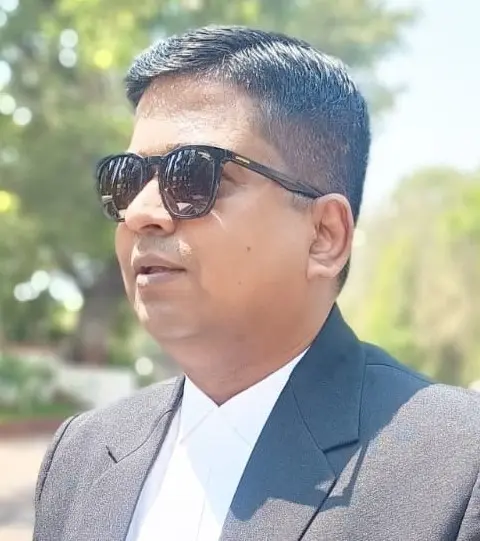
Why Adv Shoeb Hakim Considers This Article a Vital Read
In a distressing case, a Mumbai-based woman faced a life-altering ordeal when her NRI husband allegedly took her jewelry, sent her back to India, and divorced her via ‘triple talaq’ over a video call. This case raises critical questions about the enforcement of laws such as the Muslim Women (Protection of Rights on Marriage) Act, 2019, which criminalized instant triple talaq in India.
This article explores:
- The legal framework around triple talaq, focusing on its criminalization and implications.
- Real-world challenges faced by women in such situations, particularly in cross-border marriages.
- Practical insights for victims seeking legal remedies.
By reading this article, you will gain a deeper understanding of how laws are applied in sensitive personal matters and their impact on society.
Understanding Triple Talaq and Its Criminalization
What is Triple Talaq?
Triple talaq, also known as talaq-e-biddat, is a practice wherein a Muslim man can instantaneously divorce his wife by pronouncing “talaq” three times in one sitting. This practice has been widely criticized for being arbitrary and discriminatory, leaving women vulnerable and without recourse.
The Muslim Women (Protection of Rights on Marriage) Act, 2019
To address the misuse of triple talaq, the Indian Parliament enacted this law, which:
- Declares triple talaq illegal and void.
- Makes pronouncing triple talaq a cognizable offense punishable with up to three years of imprisonment.
- Grants the affected woman custody of minor children and maintenance rights.
The NRI Divorce Case: A Timeline of Events
In this particular case:
- The woman, a resident of Mumbai, alleged that her NRI husband took her jewelry, sent her back to India, and divorced her over a video call using triple talaq.
- The woman sought legal recourse, citing the provisions of the Muslim Women (Protection of Rights on Marriage) Act, 2019.
- Legal proceedings have been initiated, but challenges such as cross-border jurisdiction and enforcement remain significant hurdles.
Key Legal Challenges in NRI Marriages
Jurisdictional Issues
When one spouse resides in India and the other in a foreign country, jurisdictional complexities arise, making it difficult to enforce Indian laws abroad.
Lack of Uniformity in Laws
Different countries have varying interpretations and laws governing marriage and divorce, complicating the legal process for the aggrieved party.
Delayed Justice
Cross-border cases often lead to prolonged litigation, causing emotional and financial strain on the victim.
Case Law Reference: Triple Talaq and Women’s Rights
In Shayara Bano v. Union of India (2017), the Supreme Court of India declared triple talaq unconstitutional. The court emphasized that the practice violates Article 14 (Right to Equality) and Article 21 (Right to Life and Personal Liberty).
This landmark judgment laid the foundation for the 2019 Act, ensuring legal protection for Muslim women against arbitrary divorce practices.
Real-Life Example: A Parallel Case
Consider a similar case in Kerala, where an NRI man divorced his wife using triple talaq while living abroad. The wife approached the Indian judiciary, which upheld her rights under the 2019 Act. This case highlights the judiciary’s commitment to protecting women’s rights despite jurisdictional challenges.
Adv Shoeb Hakim’s Insights, Analysis & Conclusions
The case of the Mumbai woman divorced via video call underscores the urgent need for robust enforcement of laws like the Muslim Women (Protection of Rights on Marriage) Act, 2019. While the legislation offers significant protection, its efficacy is hindered by cross-border complexities and societal attitudes.
For victims, awareness of their legal rights and access to support systems are crucial in navigating such situations. For policymakers, addressing jurisdictional challenges in NRI marriages should be a priority to ensure justice is not delayed or denied.
Call to Action:
If you or someone you know is facing similar challenges, consult a legal expert immediately. Stay informed about your rights and leverage support networks to overcome barriers to justice.
#advshoebhakim #shoebhakim #advshoaibhakim #TripleTalaq #MuslimWomenProtectionAct #ShayaraBanoCase #NRIMarriages #CrossBorderDivorce #WomenRights #JudicialReforms #HumanRights #LegalRemedies #JusticeForWomen #FamilyLawIndia #CriminalizationOfTripleTalaq #AdvShoebHakimInsights #IndianJudiciary #LegalAwareness #GenderEquality
DISCLAIMER
It is important to note that the information provided herein is not intended to serve as professional advice in fields such as medicine, finance, cybersecurity, legal matters, taxation, or emotional well-being. The content is purely for informational and entertainment purposes and should not be construed as expert guidance.
Should you have any concerns or wish to provide feedback regarding this material, please adhere to the security.txt protocol. The views expressed in this content do not necessarily represent those of any organizations with which I may be associated. For further details, please refer to the full Website Disclaimer.