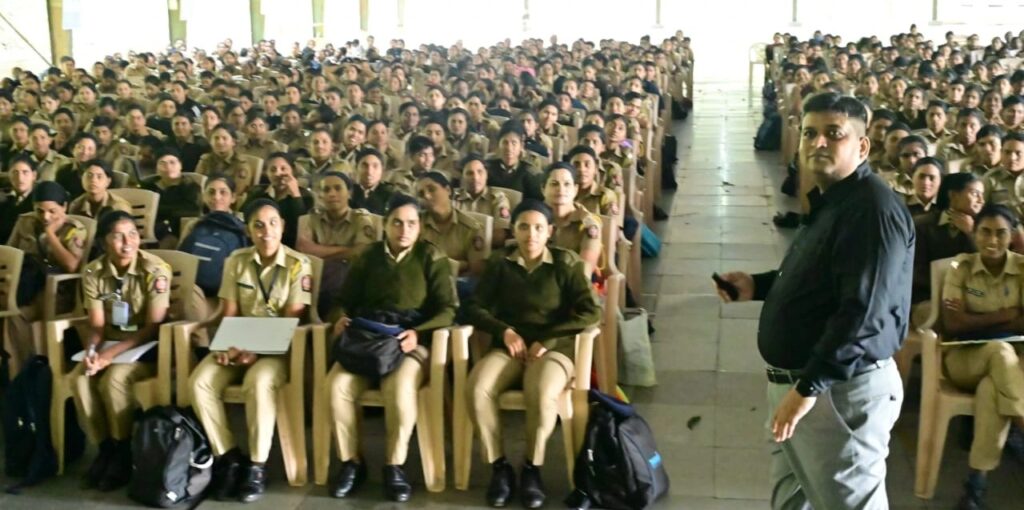
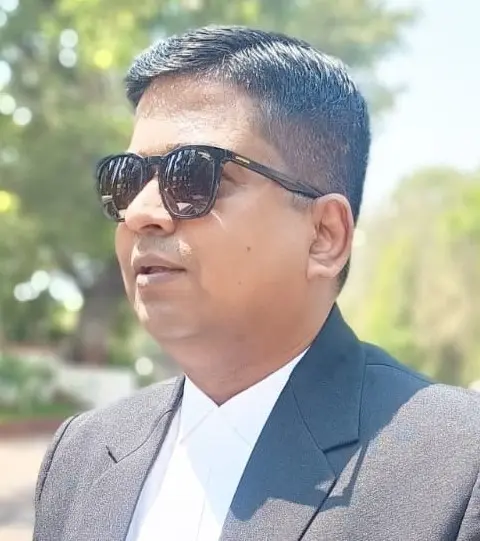
Why Adv Shoeb Hakim Considers This Article a Vital Read
In an era where identity theft and document forgery are on the rise, understanding how criminals exploit systemic loopholes to obtain passports is crucial for law enforcement, legal professionals, and judiciary students.
This article sheds light on the alarming ease with which individuals like gangsters and illegal immigrants manipulate the system, using fake identities and forged documents to evade detection. By examining real-world cases and systemic flaws, Adv Shoeb Hakim emphasizes the urgent need for reforms to safeguard national security and uphold the integrity of identity verification processes.
The Chintu Case: A Blueprint for Exploiting Passport Systems

In February 2024, a double murder in Najafgarh, Delhi, left the police scrambling to apprehend the main suspect, Harsh alias Chintu. A member of the notorious Gogi gang, Chintu vanished after the shootout. Months later, intelligence revealed he had fled to Dubai and possibly Baku.
The Delhi Police’s breakthrough came when they identified a suspicious passenger, Pradeep Kumar, whose passport was issued under the tatkal scheme just weeks after the murder. Investigations revealed that Chintu had used forged documents—Aadhaar, voter ID, and a bank passbook—all under the name Pradeep Kumar, but with his own photograph and biometrics.
This case highlights how criminals exploit the tatkal passport system, which skips pre-issuance police verification, to flee the country undetected.
How Fake Identities and Forged Documents Fuel Passport Fraud
1. The Tatkal Scheme: A Double-Edged Sword
The tatkal passport service, designed for urgent travel needs, has become a tool for criminals. Key issues include:
- No Pre-Issuance Verification: Police verification occurs after the passport is issued, giving criminals a window to escape.
- Fake Documents: Agents provide forged Aadhaar cards, voter IDs, and bank passbooks with altered names and addresses.
- Biometric Exploitation: Criminals use their own biometrics, making detection nearly impossible without prior suspicion.
2. The Role of Rogue Agents
A well-organized network of agents facilitates passport fraud by:
- Forging Documents: Using Photoshop to alter names, addresses, and photographs on official documents.
- Bribing Officials: Paying off police personnel, post office staff, and passport office employees to bypass checks.
- Creating Fake Identities: Renting rooms to generate fake rent agreements or using stolen identities to create entirely new personas.
3. Systemic Loopholes
- Lack of Integration: Passport and Aadhaar databases are not fully integrated, making it difficult to cross-verify biometric data.
- Delayed Impounding: It takes 60-90 days to impound a flagged passport, giving criminals ample time to flee.
- Weak Verification: Post-issuance police verification is often superficial, with bribes ensuring smooth clearance.
Real-World Examples of Passport Fraud
- Sachin Thappan and Anmol Bishnoi: Suspected of fleeing India on tatkal passports after the murder of Punjabi singer Sidhu Moosewala.
- Deepak Pahal alias Boxer: Escaped using a regular passport obtained through bribes and fake documents.
- Satish Kumar Tiwari: Used multiple passports under different names to travel to Thailand, exploiting biometric loopholes.
Legal and Systemic Challenges
1. Constitutional and Privacy Concerns
The right to privacy, upheld in Justice K.S. Puttaswamy v. Union of India (2017), is at risk when authorities access personal data without robust safeguards.
2. Inadequate Legal Frameworks
- Passport Act, 1967: Lacks provisions to address modern challenges like biometric fraud and digital forgery.
- Bharatiya Nyaya Sanhita: While it penalizes cheating and forgery, enforcement remains weak due to systemic inefficiencies.
3. Lack of Coordination
- Multiple Databases: Aadhaar, PAN, and passport data are stored separately, hindering real-time verification.
- No Centralized System: The absence of a unified database allows criminals to exploit gaps between departments.
Adv Shoeb Hakim’s Analysis & Conclusions
The Chintu case and others like it underscore the urgent need for systemic reforms to combat passport fraud. Key recommendations include:
- Integration of Databases: Linking Aadhaar, PAN, and passport databases to enable real-time biometric verification.
- Stricter Verification: Mandating pre-issuance police verification for tatkal passports.
- Technological Upgrades: Implementing microchip-embedded e-passports with advanced security features.
- Accountability: Holding complicit officials and agents accountable through stricter penalties and surveillance.
Call-to-Action: Legal professionals and law enforcement must collaborate to address these challenges. Stay informed and advocate for reforms to protect national security and individual privacy.
Quiz: Test Your Knowledge
- What is the primary loophole exploited in the tatkal passport scheme?
a) Pre-issuance police verification
b) Post-issuance police verification
c) No police verification - Which landmark case upheld the right to privacy in India?
a) Maneka Gandhi v. Union of India
b) Justice K.S. Puttaswamy v. Union of India
c) Aadhaar Card Case - What is the average time taken to impound a flagged passport?
a) 30 days
b) 60-90 days
c) 120 days
Answers: 1(b), 2(b), 3(b)
Related To This Similar Cases/Articles You Must Read:
- Understanding the Right to Privacy in India
- Challenges in Combating Identity Theft
- The Role of Biometrics in Modern Security
SEO Requirements
Focus Keyphrase:
“Passport Fraud and Fake Identities in India”
Meta Data:
- Title: How Criminals Exploit Passport Loopholes: Fake Identities and Systemic Gaps
- Description: Explore how criminals exploit passport systems using fake identities and forged documents, with insights from Adv Shoeb Hakim on legal and systemic reforms.
- Author: Adv Shoeb Hakim
- Publication Date: January 2024
- Slug: passport-fraud-fake-identities-india
- Serial Number: SHOEBHAKIM/JANUARY/WEEK1/2024/SHOART002
Hashtags
#advshoebhakim #shoebhakim #advshoaibhakim #passportfraud #fakeidentities #tatkalscheme #identitytheft #legalreforms #indianjudiciary #lawenforcement #biometricsecurity #cybersecurity #nationalsecurity #documentforgery #righttoprivacy #legalinsights #indianlaws #crimeprevention #systemicgaps #forensicinvestigation
Disclaimer
DISCLAIMER:
The information contained in this document is purely fictional and serves as a creative work meant for entertainment only. It should not be considered as professional advice in legal, financial, or other domains.
For questions or comments, please adhere to the security.txt protocol. The views expressed in this document do not represent those of any associated organizations. For detailed information, please refer to the full Website Disclaimer.