
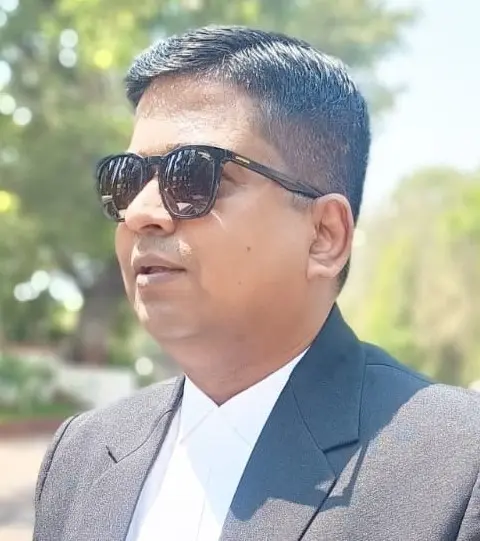
Why Adv Shoeb Hakim Considers This Article a Vital Read
The alarming trend of pharmacy educators listing themselves as faculty at multiple institutions has drawn scrutiny from regulatory authorities. This unethical practice undermines academic integrity and jeopardizes the quality of education in a field as critical as healthcare. With stricter oversight and the threat of blacklisting, the education sector is poised for a much-needed ethical overhaul.
In this article, you will gain:
- An understanding of the implications of fake faculty profiles, including regulatory measures and penalties.
- Insights into the legal frameworks that govern educational malpractice in India.
- Practical lessons on upholding ethics and accountability in academia.
Adv Shoeb Hakim highlights the challenges, legal perspectives, and solutions to address this issue comprehensively.
The Problem of Fake Faculty Profiles in Pharmacy Education
Pharmacy teachers, in some cases, have been found to falsely claim affiliations with multiple colleges to bolster their credentials. This practice not only misrepresents academic institutions but also dilutes the quality of education for students pursuing careers in healthcare and research.
Why This Issue Matters
- Impact on Students: Students may receive substandard guidance from unavailable or unqualified faculty.
- Regulatory Non-Compliance: Institutions listing fake faculty risk penalties from regulatory bodies like the Pharmacy Council of India (PCI) and the All India Council for Technical Education (AICTE).
- Erosion of Trust: Such practices erode trust in academic institutions and their ability to maintain ethical standards.
The Regulatory Crackdown
To address this malpractice, authorities have introduced measures to verify faculty credentials and penalize offenders.
Key Actions Taken by Regulatory Bodies
- Mandatory Faculty Registrations: Institutions must ensure that faculty members are registered with regulatory bodies to avoid duplication.
- Blacklisting of Offenders: Teachers found guilty of claiming fake affiliations face being blacklisted, effectively barring them from employment in the education sector.
- Institutional Accountability: Colleges listing fake faculty risk losing accreditation and facing legal action.
Case Study: PCI’s Actions
The Pharmacy Council of India (PCI) recently uncovered cases where teachers falsely claimed affiliations with multiple institutions. The PCI has issued warnings to these individuals and begun a thorough review of faculty databases to ensure accuracy and compliance.
Legal Implications and Framework
Educational Laws and Ethics
- Indian Penal Code (IPC) Section 420 (Cheating): Misrepresentation of professional affiliations may constitute fraud, punishable by law.
- University Grants Commission (UGC) Guidelines: Institutions must adhere to ethical standards to maintain accreditation and funding.
Case Law Reference
In University of Madras v. Sundaram (1998), the court emphasized the importance of maintaining academic integrity to uphold the quality of education and student welfare. This principle is relevant in addressing the issue of fake faculty profiles.
Examples of Ethical Breaches
Example 1: A College’s Accreditation at Risk
An institution listed 20 faculty members, of whom five were found to be claiming affiliations with other colleges. Upon discovery, the college faced suspension of its accreditation and a hefty fine.
Example 2: A Teacher’s Career Jeopardized
A pharmacy educator claiming employment at three colleges simultaneously was blacklisted by regulatory authorities, effectively ending their teaching career.
How Institutions and Teachers Can Prevent Malpractices
For Institutions:
- Conduct thorough background checks before hiring faculty.
- Maintain accurate and updated faculty databases.
- Implement regular audits to ensure compliance with regulatory standards.
For Teachers:
- Uphold ethical standards in professional affiliations.
- Avoid overstating credentials or affiliations.
- Report discrepancies or systemic malpractices to appropriate authorities.
Adv Shoeb Hakim’s Insights, Analysis & Conclusions
The issue of fake faculty profiles in pharmacy education is a wake-up call for academia and regulators alike. It highlights the urgent need for stronger oversight, stricter penalties, and a collective commitment to ethics in education.
For institutions, adhering to ethical practices is not just a legal obligation but a responsibility to students and society. For educators, integrity is paramount to building a sustainable and credible career.
Call to Action:
If you are an educator or administrator, prioritize ethical practices in your institution. If you encounter fraudulent activities, report them to the relevant authorities to uphold the integrity of education.
You Must Read This Also:
- Breaking Down the Landmark Goa Consent Case
- Right to Property Still a Constitutional Right: SC Judgment
- Encashed Leaves: Gujarat HC’s Stand on Employee Rights
#advshoebhakim #shoebhakim #advshoaibhakim #PharmaEducation #AcademicIntegrity #FakeFacultyProfiles #PharmacyCouncilOfIndia #EducationalFraud #RegulatoryCompliance #EthicsInAcademia #AcademicMalpractice #AdvShoebHakimInsights #HigherEducation #StudentRights #InstitutionalAccountability #EducationReforms #LegalAwareness #TeachingStandards #ProfessionalIntegrity #AccreditationChallenges
DISCLAIMER
It is important to note that the information provided herein is not intended to serve as professional advice in fields such as medicine, finance, cybersecurity, legal matters, taxation, or emotional well-being. The content is purely for informational and entertainment purposes and should not be construed as expert guidance.
Should you have any concerns or wish to provide feedback regarding this material, please adhere to the security.txt protocol. The views expressed in this content do not necessarily represent those of any organizations with which I may be associated. For further details, please refer to the full Website Disclaimer.