
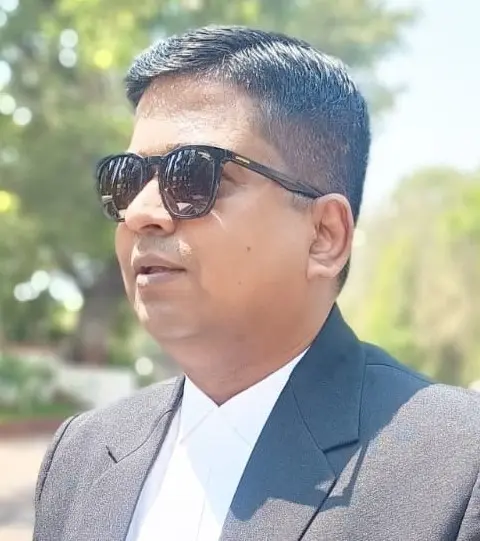
Why Adv Shoeb Hakim Considers This Article a Vital Read
India’s intergenerational wealth transfer wave is exposing the hidden costs of property inheritance—legal battles, emotional strife, and financial stagnation.
Through three real-world cases, Adv Shoeb Hakim unravels why land and houses often become “white elephants” and how financial assets offer smoother, fairer solutions.
For legal professionals and families navigating succession planning, this article is a roadmap to avoiding litigation and fostering harmony.
Case 1: The ‘White Elephant’ Property
Stranded in Redevelopment Limbo
Scenario: Elderly parents in Mumbai insisted on retaining a redevelopment flat for NRI children who didn’t want it.
Outcome: Post-father’s demise, the half-built property is unsellable, leaving the mother dependent on retirement homes.
Legal Insight:
Transfer of Property Act, 1882: Requires clear title transfers, but stalled redevelopment complicates ownership.
Lesson: Adv Shoeb Hakim advises converting property into liquid assets via Section 13 of the Indian Contract Act, 1872 (mutual consent for sale).
Case 2: Sibling Rivalry Over a Single House
The Unfair Burden of Undivided Assets
Scenario: A mother’s will divided her house equally between two sons, but the elder (caregiver) resented sharing with the absentee younger son.
Outcome: The property’s indivisibility bred resentment, with no legal mechanism for equitable compensation.
Legal Framework:
Hindu Succession Act, 1956 (Amended 2005): Grants equal inheritance rights but lacks provisions for emotional labor compensation.
Precedent: Prakash v. Phulavati (2016) – SC upheld daughters’ equal rights, emphasizing “fairness over formality.”
Adv Shoeb Hakim’s Tip: Use family settlements under Section 6 of the Hindu Succession Act to allocate assets based on contributions.
Case 3: The Dissatisfied Heir & Valuation Woes
When ‘Equal’ Becomes Unequal
Scenario: Two sons inherited properties of unequal value, sparking resentment over rent utilization and caregiving duties.
Outcome: The mother faces alienation, trapped between grudging heirs.
Legal Challenge:
Indian Registration Act, 1908: Property valuation disputes often require court intervention, delaying resolutions.
Case Law: Ganduri Koteshwaramma v. Chakiri Yanadi (2011) – SC stressed “equitable division over equal share” in joint family disputes.
Why Financial Assets Trump Property
Legal & Practical Advantages
Ease of Division: Stocks, bonds, or mutual funds can be split precisely (e.g., 60:40) without valuation hassles.
Liquidity: Immediate access to funds vs. months/years selling property.
Lower Litigation Risk: Fewer disputes over monetary assets compared to sentimental properties.
Example: A Delhi family avoided strife by converting ancestral land into a family trust with staggered payouts, guided by the Indian Trusts Act, 1882.
Adv Shoeb Hakim’s Analysis & Conclusions
Legal Priority: Courts increasingly favor “intent over asset” in wills (Shyamal Kanti Guha vs. Meena Bose, 2008).
Practical Steps:
Draft wills with “valuation clauses” to account for market fluctuations.
Use Section 222 of the Indian Succession Act, 1925 to appoint impartial executors.
Call-to-Action: Attend workshops on BNS 2023 implications for inheritance disputes.
Quiz: Test Your Knowledge
Which Act governs family settlements for Hindus?
a) Transfer of Property Act
b) Hindu Succession Act
c) Indian Contract ActWhat legal tool ensures fair asset division despite unequal caregiving?
a) Mutual consent sale
b) Family trust
c) Valuation clauseWhich case emphasized equitable inheritance over equal shares?
a) Prakash v. Phulavati
b) Ganduri Koteshwaramma v. Chakiri Yanadi
c) Shyamal Kanti Guha vs. Meena Bose
Answers: 1(b), 2(c), 3(b)
Related Articles You Must Read
“Hindu Succession Act: Balancing Rights & Responsibilities” (LiveLaw)
“Creating Family Trusts in India: A Legal Guide” (SCC Online)
“Avoiding Inheritance Disputes: SC’s Key Rulings” (Bar & Bench)
SEO & AEO Elements
Focus Keyphrase: Property Inheritance Legal Challenges India
Meta Title: “Property Inheritance in India: Legal Pitfalls & Financial Asset Solutions | Adv Shoeb Hakim”
Meta Description: Explore why property inheritance sparks family feuds, legal remedies under Hindu Succession Act, and smarter alternatives. Analysis by Adv Shoeb Hakim.
#advshoebhakim #shoebhakim #advshoaibhakim #PropertyInheritance #HinduSuccessionAct #EstatePlanning #FamilyDisputes #LegalChallenges #IndianJudiciary #WealthTransfer #FinancialAssets #InheritanceLaw #PropertyLaw #LawStudents #JudiciaryExams #BNS2023 #IndianTrustsAct #LegalInsights
Social Media Versions
LinkedIn:
🏠 Property Inheritance in India: Legal Minefields & Smarter Solutions 🏠
Discover why houses spark family feuds and how financial assets ensure harmony. Expert insights by Adv Shoeb Hakim.
Read the full analysis and practical checklist: [Link]
X (Twitter):
⚖️ Inheriting property? Beware legal pitfalls! ⚖️
Why financial assets trump real estate in avoiding family disputes. Key takeaways by Adv Shoeb Hakim.
Read more: [Link]
Facebook:
🔍 Property vs. Financial Assets: What’s Better for Your Heirs? 🔍
Learn from real cases why liquidity beats legacy. Essential reading for families!
Read the full analysis and practical checklist: [Link]
Meta Data
Title: “Property Inheritance in India: Legal Challenges & Financial Solutions”
Focus Keyphrase: Property Inheritance Legal Challenges India
Author: Adv Shoeb Hakim
Publication Date: July 15, 2024
Slug: property-inheritance-legal-challenges-india-2024
Description: Analyzing property inheritance disputes, legal remedies under Hindu Succession Act, and financial asset advantages. Expert guide by Adv Shoeb Hakim.
Serial No.: SHOEBHAKIM/JULY/WEEK3/15-07-2024/197/ADVSHOART9P2
DISCLAIMER:
The information contained in this document is purely fictional and serves as a creative work meant for entertainment only. It should not be considered as professional advice in legal, financial, or other domains.
For questions or comments, please adhere to the security.txt protocol. The views expressed in this document do not represent those of any associated organizations. For detailed information, please refer to the full Website Disclaimer.