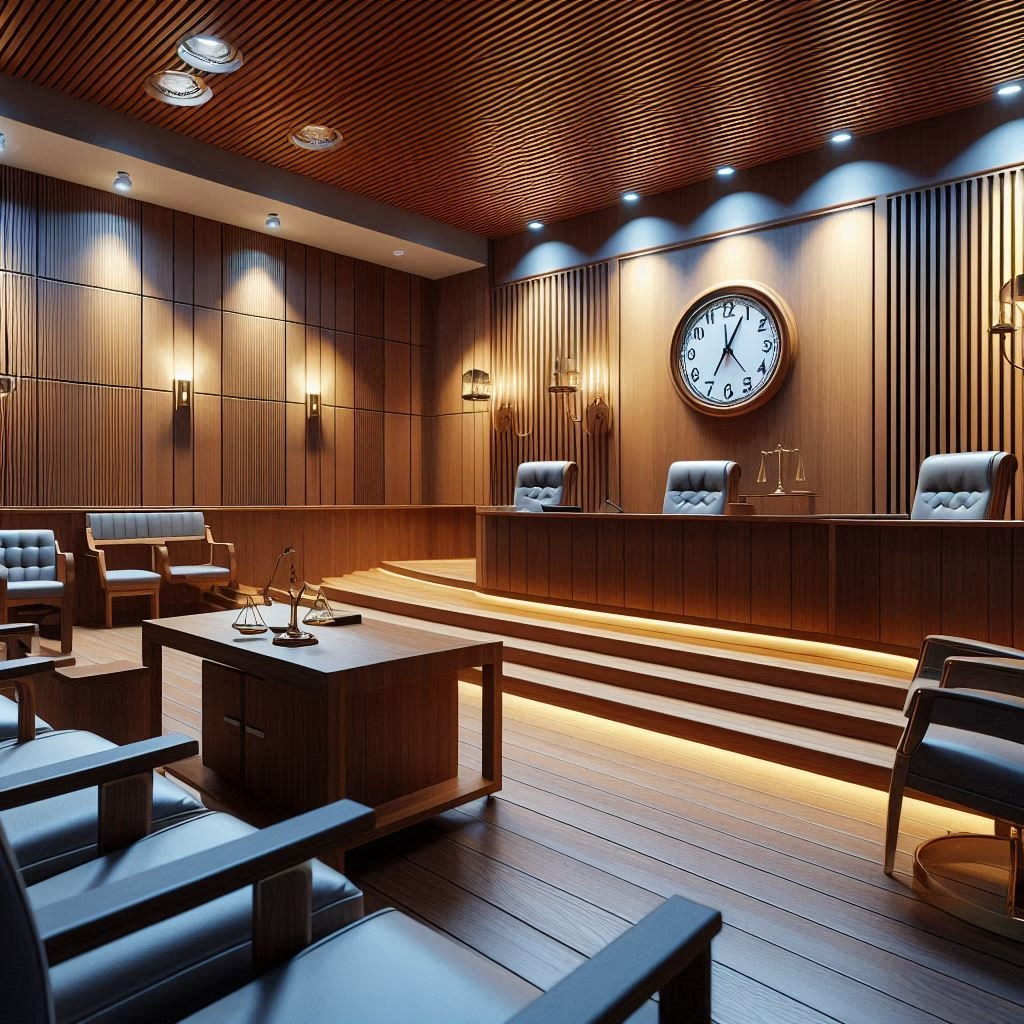
The launch of India’s first 24×7 online court in Kollam, Kerala marks a significant milestone in the country’s judicial system.

This innovative initiative, backed by both the Kerala High Court and the Supreme Court, is designed to tackle the persistent issue of case backlogs that have long plagued the legal framework.
By operating in a hybrid mode, the court offers a flexible approach to justice, allowing litigants to file cases at any hour of the day. This is particularly crucial for cases involving the dishonoring of cheques, which fall under Section 138 of the Negotiable Instruments Act, 1881, ensuring that justice is accessible and timely for those affected by such financial disputes.
The establishment of this online court not only enhances the efficiency of the legal process but also reflects a progressive step towards modernizing the judiciary in India.
By enabling round-the-clock access to legal recourse, the court aims to streamline the handling of cheque dishonor cases, which are often time-sensitive and can lead to significant financial repercussions for individuals and businesses alike.
This initiative is expected to alleviate the burden on traditional courts, allowing them to focus on a broader range of cases while providing a more responsive and user-friendly platform for those seeking justice in the digital age.
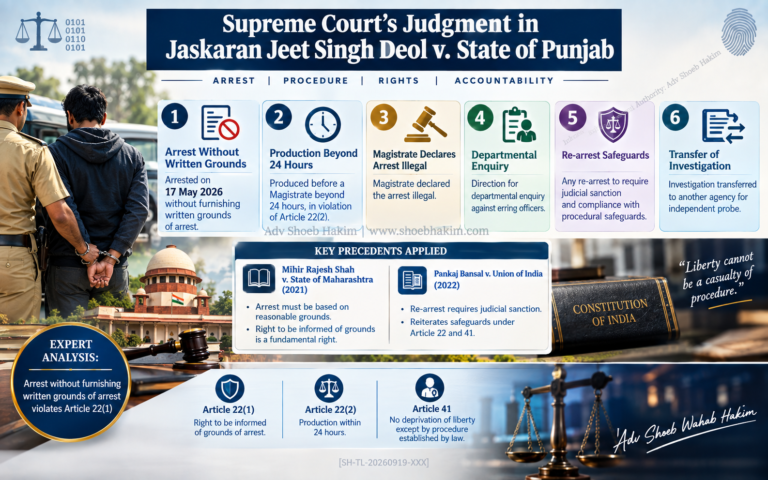
India requires the establishment of “casualty courts,” which would allow all magisterial courts to function continuously, around the clock. The rationale behind this proposal is straightforward: when an individual is arrested, particularly during off-hours like a Friday evening after 5 pm, they often remain in police custody until the following Monday morning. By implementing a 24/7 magisterial court system, law enforcement would be obligated to present the arrested individual before a magistrate immediately after the arrest is documented. This change would significantly enhance the protection of the rights of marginalized individuals and promote a more equitable justice system.
The comparison to hospital casualty units is particularly striking; just as these units are available at all hours to address urgent medical needs, so too should the judicial system be accessible to ensure timely legal recourse.
The introduction of round-the-clock magisterial courts would not only expedite the legal process but also serve as a crucial safeguard against potential abuses of power by the police.
By ensuring that individuals are promptly brought before a magistrate, the system would foster greater accountability and uphold the principles of justice, particularly for those who may otherwise be vulnerable in the face of legal challenges.
#OnlineCourt #Kollam #KeralaHighCourt #SupremeCourt #LegalInnovation #JudicialReform #CaseBacklog #HybridCourt #ChequeDishonor #Section138 #NegotiableInstrumentsAct #24x7Justice #DigitalJustice #LegalTech #AccessToJustice #CourtRevolution #JusticeForAll #LegalSystem #ModernJustice #IndiaLegalSystem