

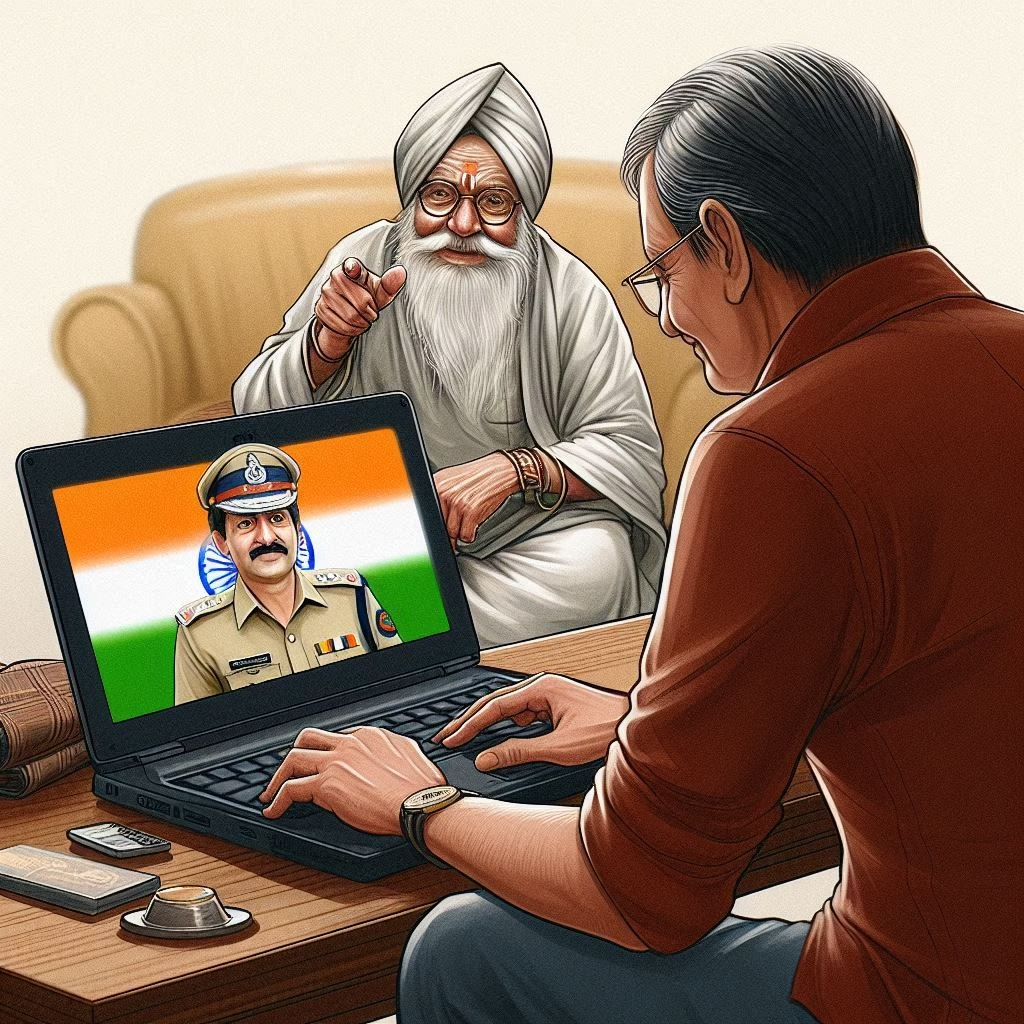
The rise of “digital arrest” scams in India is a concerning trend. These scams involve cybercriminals impersonating law enforcement officials or government agencies, such as the Central Bureau of Investigation (CBI) or the Narcotics Control Bureau (NCB). Here are some key points about this issue:
How do Digital Arrest scams work?
How Digital Arrest Scams Work
- Initial Contact: Scammers contact the victim, often via phone or video call, claiming to be from a law enforcement agency like the police, CBI, or customs
- Creating Panic: They inform the victim that they or a family member are under investigation for serious crimes such as drug trafficking or money laundering. The scammers use fear tactics to create a sense of urgency and panic.
- Video Calls: To make the scam more convincing, they may ask the victim to join a video call. During the call, the scammers wear fake police uniforms and set up a fake police station backdrop.
- Fake Evidence: They present fabricated documents and use sound effects to simulate a real investigation, making the victim believe they are in serious trouble.
- Extortion: The scammers then demand large sums of money to “resolve” the case and avoid arrest. They pressure the victim to transfer the money immediately while keeping them on the call.
- Continuous Pressure: The scammers may transfer the call to other “officials” to make the situation seem more legitimate and maintain pressure on the victim until the money is transferred.
Prevention Measures
- Verification: Always verify the identity of anyone claiming to be a law enforcement official. Contact the relevant agency directly using official contact information.
- Awareness: Be aware that legitimate authorities will never demand money over the phone or video call.
- Report Suspicious Activity: Report any suspicious calls or messages to local authorities and cybersecurity agencies.
Understanding how these scams work can help you stay vigilant and protect yourself from falling victim to such frauds.
Key Points about Digital Arrest Scams
- Impersonation: Scammers pose as officials from various government agencies, often using fake ID cards and uniforms to appear legitimate.
- Fear Tactics: Victims are told they are under investigation for serious crimes like money laundering or drug trafficking. The scammers use fear and urgency to pressure victims into compliance.
- Financial Extortion: Victims are coerced into transferring large sums of money to avoid arrest or legal action. This can result in significant financial losses.
- Technological Manipulation: Scammers use video calls and other digital means to make their claims seem more credible. They may even set up fake police stations or courtrooms to deceive victims.
- Widespread Impact: Since January 2024, over 92,334 instances of digital arrest scams have been reported in India, with victims losing substantial amounts of money.
Prevention Measures
- Awareness: Educating the public about these scams and how they operate is crucial. Knowing that legitimate authorities will never contact individuals in this manner can help prevent victimization.
- Verification: Always verify the identity of anyone claiming to be a law enforcement official. Contact the relevant agency directly using official contact information.
- Report Suspicious Activity: Report any suspicious calls or messages to local authorities and cybersecurity agencies.
The rise of digital arrest scams highlights the need for increased vigilance and public awareness to protect against these sophisticated frauds.
Here are some notable examples of digital arrest scams in India:
- Ruchika Tandon’s Case: Dr. Ruchika Tandon, a neurologist, was ensnared in a digital arrest scam where fraudsters impersonated law enforcement officials. They coerced her into transferring nearly 25 million rupees by convincing her she was under investigation for serious crimes.
- Assam Residents Arrested: Two individuals from Assam were arrested for leading a digital arrest cyber fraud scheme. They deceived victims into believing they had committed crimes and extorted money by posing as law enforcement officials.
- Surat City Scam: The Surat city police busted a cybercrime gang orchestrating digital arrests. The gang fleeced Rs 111 crore from over 800 victims by posing as officers on video calls and demanding money to avoid arrest.
- Swathy’s Story: Swathy from Mumbai lost Rs 15,000 to fraudsters who placed her under digital arrest, claiming she was involved in a scam and needed to pay to avoid legal action.
These cases highlight the growing threat of digital arrest scams in India, where cybercriminals use fear and manipulation to extort money from unsuspecting victims. It’s crucial to stay vigilant and report any suspicious activities to the authorities.