

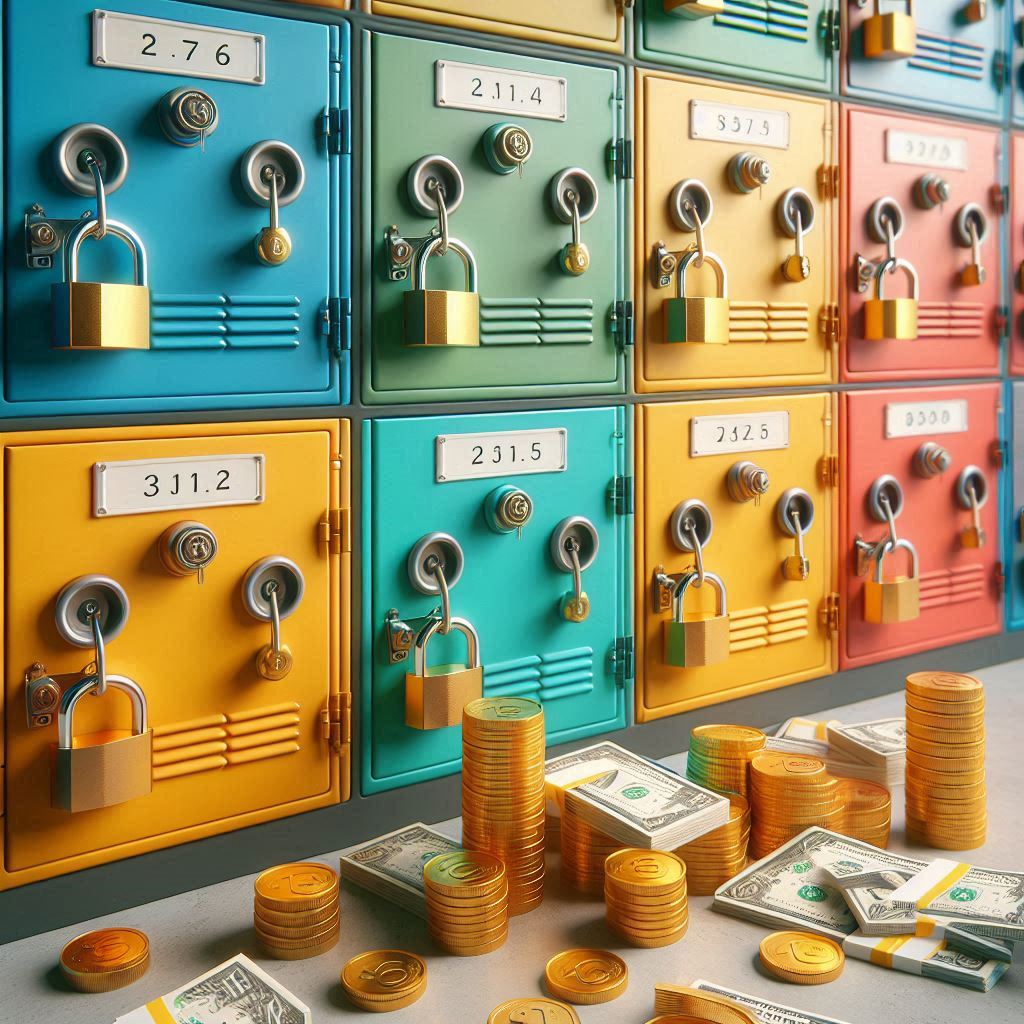
Protect what matters most! Explore the world of bank lockers offered by leading banks, where your jewellry, documents, and collectibles find a safe haven—just remember to leave the prohibited items behind!
Bank Lockers: Financial institutions such as SBI, HDFC, Bank of Baroda, and ICICI provide secure locker services for the safekeeping of valuable possessions.
Permitted Items: These lockers are suitable for storing a variety of items, including jewellry, coins, bullion, important legal documents, and financial records.
Prohibited Items: However, certain items are strictly prohibited from being stored in bank lockers, including weapons, explosives, narcotics, perishable items, radioactive substances, and cash.
Thinking about a bank locker? Here are five crucial insights that will help you navigate the ins and outs of securing your treasures safely!
Understanding the regulations surrounding bank lockers is essential for anyone considering opening one or currently holding a locker. It is important to note that individuals have the option to open a locker at any bank, irrespective of whether they possess an existing account with that institution.

This means tha even if you have no prior banking relationship with a particular bank, you can still apply for a safe deposit locker there. For example, if you have a salary account at Bank A and a savings account at Bank B, you are still eligible to approach Bank C, where you have no existing affiliations. While you will need to undergo the Know Your Customer (KYC) process, securing a locker at Bank C remains a viable option.
t
Another significant point to be aware of is the potential challenge of encountering banks that claim no lockers are available. However, following the Reserve Bank of India’s updated guidelines in August 2021, banks are now required to keep a record of available lockers and maintain a waitlist for interested customers. Consequently, when you submit an application for a locker, the bank must acknowledge your request and either allocate a locker based on availability or provide you with a waitlist number. This change promotes greater transparency and accountability in the locker allocation process.
Additionally, it is worth noting that banks may require you to open a Fixed Deposit (FD) as a condition for securing a locker, particularly for new customers. While this requirement may appear stringent, it serves to protect the bank’s interests in case of defaults or neglect regarding the locker. Importantly, the bank cannot arbitrarily set the FD amount; it must correspond to a specific sum. According to regulations, the FD should be equivalent to three years’ worth of locker rent, along with any applicable charges for breaking open the locker if rent remains unpaid for three years and no transactions have occurred.
Are your treasures truly safe? Dive into the essentials of bank locker agreements and learn how to safeguard your valuables while navigating the fine print!
Bank locker agreements serve as crucial legal documents that delineate the specific terms and conditions governing the use of a bank’s safe deposit lockers.
 These agreements emphasize the appropriate use of lockers, which are primarily intended for the secure storage of valuable items such as jewelry and important documents, while explicitly prohibiting the storage of cash, weapons, drugs, or any hazardous materials. To ensure the utmost security of the lockers, banks implement a range of advanced security measures, including surveillance cameras, alarm systems, and restricted access protocols, all designed to protect the contents stored within.
Furthermore, the agreements address the issue of liability, stipulating that banks are accountable for losses incurred due to their negligence, with compensation capped at 100 times the annual rental fee for the locker.
However, it is important to note that banks are not liable for losses resulting from natural disasters or the negligence of the customer.
Additionally, customers are required to sign updated agreements to remain compliant with evolving regulations, a process that banks facilitate by providing necessary documentation, including stamp papers and copies of the finalized agreements.
Lastly, banks reserve the right to conduct inspections of lockers if there is any suspicion of illegal activities or the storage of prohibited substances, thereby ensuring adherence to legal standards and maintaining the integrity of their services.
HDFC Bank locker agreement highlights:
The HDFC Bank Safe Deposit Locker Agreement delineates the stipulations governing the utilization of its locker services.
 Locker License: Primarily, the agreement grants customers a license to securely store valuable items such as jewelry and important documents within the locker, explicitly prohibiting the storage of cash, weapons, explosives, narcotics, perishable goods, radioactive materials, or any illegal items.
Customer’s Rights :Customers are entitled to utilize the locker while expecting the bank to exercise reasonable care in safeguarding their possessions, with the bank recognizing the customers’ rights as per relevant laws and regulations.
Customer’s Obligations: Furthermore, customers are obligated to use the locker solely for lawful purposes and adhere to all guidelines set forth by the Reserve Bank of India. They must ensure the security of their locker key, password, or any identification method, refraining from sharing these with others, and must promptly notify the bank in the event of loss. Additionally, customers are responsible for all costs associated with accessing the locker, replacing lost keys, and any necessary repairs, as well as informing the bank of any changes to their contact information.
Bank’s Rights: On the other hand, the bank retains the right to collect locker fees and may debit the customer’s account for unpaid rent. Access to the locker may be denied if rental payments are overdue, and the bank reserves the right to terminate the agreement and forcibly open the locker if the customer violates the terms, following appropriate notice.
Liability and Indemnity: The bank disclaims liability for any loss or damage to locker contents resulting from natural disasters, civil unrest, or customer negligence, and customers must indemnify the bank for any losses incurred due to their non-compliance with the agreement.
Termination: Termination of the agreement can be initiated by either party with a written notice of 30 days, after which the customer is required to return the locker key. The bank will refund any proportionate advance rent paid by the customer upon termination.
Inspection Rights: Additionally, the bank holds the authority to inspect the locker if there are suspicions regarding the presence of illegal items.
Discharge from Obligations: The bank is relieved of its obligations and any associated liabilities in the event that the safe deposit locker must be forcibly accessed in accordance with the terms outlined in the agreement.
This agreement serves to clarify the rights and responsibilities of both the bank and the customer concerning the utilization of the safe deposit locker, ensuring mutual understanding and compliance with the established terms.
You can read the full HDFC bank Locker agreement by Clicking here
#BankLocker #SafeDeposit #FinancialSecurity #KYCProcess #BankingRules #LockerAllocation #RBIRegulations #FixedDeposit #CustomerRights #TransparencyInBanking #LockerWaitlist #BankingTips #SecureYourAssets #FinancialLiteracy #BankingAwareness #SafeStorage #InvestmentTips #WealthManagement #BankingForAll #FinancialPlanning #BankLockers #SecureStorage #FinancialSafety #ValuablePossessions #SBI #HDFC #BankOfBaroda #ICICI #JewelryStorage #DocumentSafety #LockerServices #AssetProtection #FinancialInstitutions #SafeKeeping #ProhibitedItems #StorageSolutions #InvestmentSecurity #PeaceOfMind #LockerManagement #WealthPreservation #FinancialPlanning