

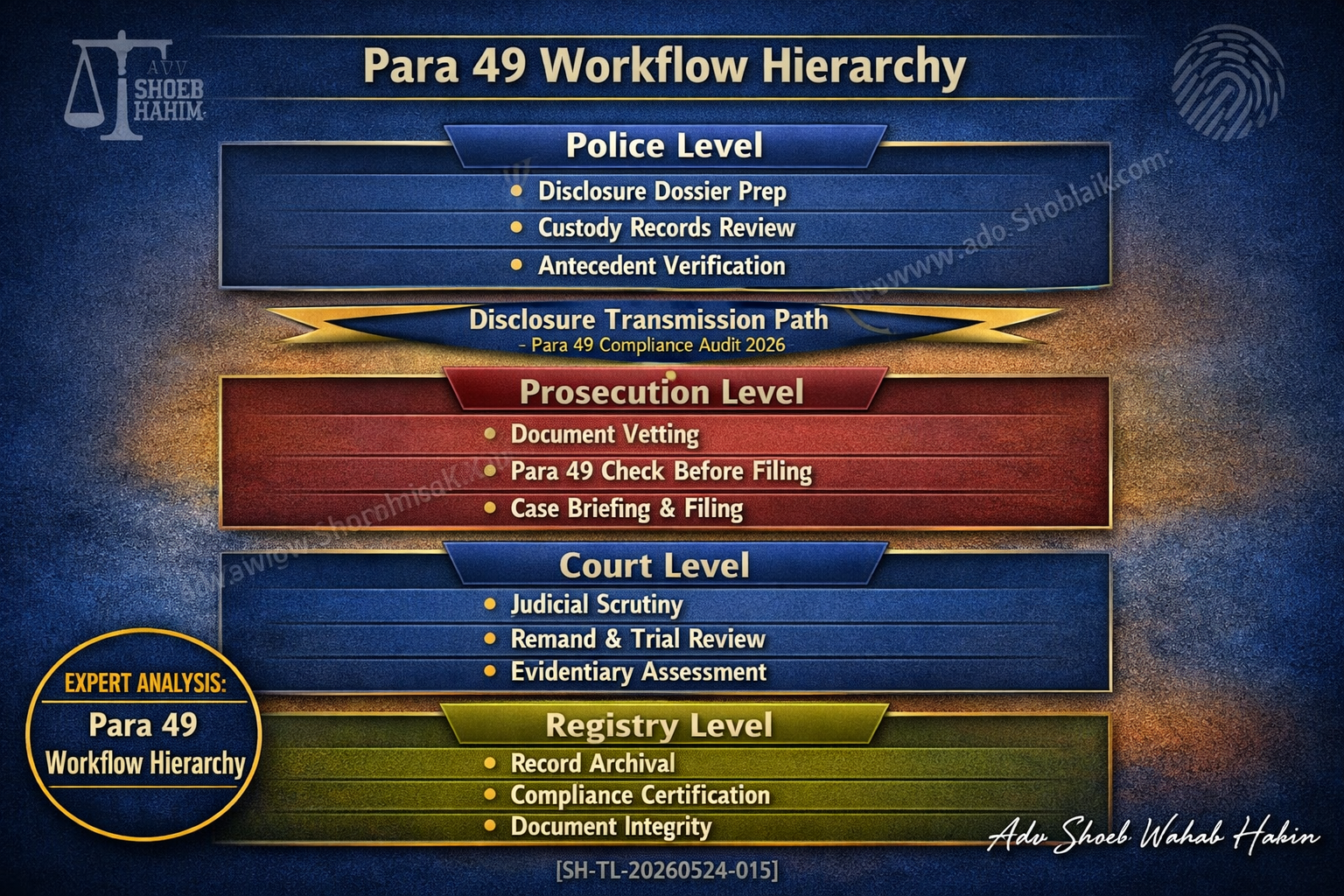
Zebakhan v. State of U.P. (2026 INSC 144) establishes structured disclosure framework. Suppression of antecedents will no longer be tolerated.
Introduction
“FIR Number. Date of arrest. Custody period. Witness count. Every pending case. Every previous bail application. Every coercive process.”
The Supreme Court has now mandated complete disclosure before bail is considered.
In Zebakhan v. State of U.P. & Others (2026 INSC 144), the Hon’ble Supreme Court laid down a structured disclosure framework for bail applications. Suppression of material facts will no longer be tolerated.
This judgment is increasingly shaping the manner in which courts scrutinize bail applications across the country, particularly in matters involving economic offences, forgery, concealment of antecedents, and offences affecting public confidence.
Case Background
Case Name: Zebakhan v. State of U.P. & Others
Citation: 2026 INSC 144
FIR: No. 314/2024 dated 23.08.2024
Police Station: PS Saray Khwaja, Jaunpur, State of UP
Allegations: The accused had projected himself as an advocate using forged LL.B. degrees and fabricated educational records despite never pursuing lawful legal education.
Larger conspiracy: The accused was part of a larger racket involving circulation of forged legal qualifications and fake degree holders, thereby affecting public confidence in the justice delivery system.
Arrest date: 28.04.2025
Procedural history:
- Bail application initially rejected by Sessions Court
- Bail later allowed by High Court
- Complainant challenged grant of bail before Supreme Court on ground that material facts and criminal antecedents had been concealed
The Legal Issue
Whether suppression of criminal antecedents and material facts in a bail application should be grounds for rejection, and what disclosure is required from applicants seeking bail.
The Supreme Court’s Observations
The Court observed that in offences involving:
- Fraud
- Forgery
- Cheating
- Conspiracy
- Fabricated credentials
- Offences affecting public trust
…courts must adopt greater scrutiny before exercising discretion.
Para 49: The Structured Disclosure Framework
The Hon’ble Supreme Court held that the following particulars must necessarily be disclosed before the court:
A. CASE DETAILS
- FIR Number
- Date of FIR
- Police Station
- District and State
- Sections invoked
- Maximum punishment prescribed
B. CUSTODY & PROCEDURAL COMPLIANCE
- Date of arrest
- Total period of custody undergone
C. STATUS OF TRIAL
- Stage of proceedings
- Total number of witnesses cited in the chargesheet
- Number of prosecution witnesses examined
D. CRIMINAL ANTECEDENTS
- Complete disclosure of previous criminal history and pending cases
E. PREVIOUS BAIL APPLICATIONS
- Details and status of all previous bail applications filed before any court
F. COERCIVE PROCESSES
- Details regarding proclamation proceedings
- Warrants
- Any coercive process issued against the accused
Why This Framework Matters
| Before This Judgment | After This Judgment |
|---|---|
| Suppression of antecedents was common | Complete disclosure mandatory |
| Courts relied on applicant’s representations | Structured checklist ensures accountability |
| Bail could be granted without full facts | Courts have complete picture before deciding |
| Concealment could go unpunished | Suppression defeats fair adjudication |
The Hon’ble Supreme Court emphasized that suppression or concealment of these facts directly impacts the administration of justice and defeats fair adjudication in bail proceedings.
Practical Implications for Bail Applicants
What you must now disclose:
- Every FIR – not just the one you are seeking bail in
- Every pending case – regardless of when it was filed
- Every previous bail application – and its outcome
- Every warrant or coercive process – even if resolved
- Complete custody details – total period, not just current arrest
What happens if you suppress:
- Bail may be rejected outright
- Existing bail may be cancelled
- The court may treat suppression as contempt
- Your credibility is destroyed for all pending matters
Practical Implications for Lawyers
Drafting bail applications after Zebakhan:
- Create a separate section for “Disclosure of Criminal Antecedents”
- List every pending case with full particulars (FIR No., PS, Sections, stage)
- Disclose all previous bail applications and outcomes
- Disclose any coercive processes ever issued
Ethical obligation:
- Cannot advise client to conceal
- Must verify client’s criminal history before filing
- Must amend the framework of bail applications
Practical Implications for Courts
- Must verify disclosures against police records
- Cannot accept applications that omit required particulars
- Must treat suppression as grounds for rejection
- Must develop checklists for bail application scrutiny
Types of Offences Requiring Greater Scrutiny
The Court specifically noted that in these categories, courts must adopt greater scrutiny:
| Category | Examples |
|---|---|
| Fraud | Cheating, misrepresentation, financial fraud |
| Forgery | Fabricated documents, fake degrees, false credentials |
| Cheating | Deception, dishonest inducement |
| Conspiracy | Criminal conspiracy, racketeering |
| Fabricated credentials | Fake educational qualifications, forged professional licenses |
| Offences affecting public trust | Any crime that undermines confidence in institutions |
The Constitutional Foundation
The judgment flows from fundamental principles:
- Fair adjudication requires full disclosure
- Suppression violates the court’s trust
- The right to bail is not absolute
- Courts must protect public confidence in the justice system
Conclusion
The Supreme Court in Zebakhan v. State of U.P. (2026 INSC 144) has delivered a landmark judgment on bail jurisprudence.
The Court held that in offences involving fraud, forgery, cheating, conspiracy, fabricated credentials, and offences affecting public trust, courts must adopt greater scrutiny before exercising discretion.
Para 49 of the judgment establishes a structured disclosure framework. Bail applications must now disclose:
- Complete case details (FIR, PS, sections, maximum punishment)
- Custody details (arrest date, total custody period)
- Trial status (stage, witnesses)
- Complete criminal antecedents (all pending cases)
- Previous bail applications (details and status)
- Coercive processes (warrants, proclamation proceedings)
Suppression or concealment of these facts directly impacts the administration of justice and defeats fair adjudication in bail proceedings.
This decision is now increasingly shaping the manner in which courts scrutinize bail applications across the country, particularly in matters involving economic offences, forgery, concealment of antecedents, and offences affecting public confidence.
Q: What happens if I forget to mention an old, pending criminal case in my new bail application? Ans: Under the Supreme Court Bail Disclosure rules established in Zebakhan, failing to mention any pending case is considered suppression of material facts. This can lead to the outright rejection of your current application, the cancellation of existing bail, and severely damage your credibility before the court.
Q: Does the Zebakhan ruling apply to all types of criminal offenses? Ans: While the disclosure framework is broadly applicable, the Supreme Court specifically directed that courts must adopt “greater scrutiny” in offenses involving fraud, forgery, cheating, conspiracy, fabricated credentials, and any offense affecting public trust.
Q: What specific trial details must be included when drafting a bail application now? Ans: Para 49 requires the disclosure of the exact stage of the proceedings, the total number of witnesses cited by the prosecution in the chargesheet, and the number of prosecution witnesses that have already been examined in court.
Which specific Supreme Court case established this new mandatory disclosure framework?
- Ans: Zebakhan v. State of U.P. (2026 INSC 144).
According to Para 49, what must an applicant disclose regarding the status of the trial?
- Ans: The stage of proceedings, total witnesses cited in the chargesheet, and the number of witnesses examined.
What was the core allegation against the accused in the Zebakhan case?
- Ans: Projecting himself as an advocate using forged LL.B. degrees and fabricated educational records.
True or False: Under the new framework, you only need to disclose previous bail applications related to the current FIR.
- Ans: False; details and status of all previous bail applications before any court must be disclosed.
Adv. Shoeb Hakim
Criminal Law & Bail Practice Advisor
📌 Follow me on LinkedIn for daily criminal law insights: https://www.linkedin.com/in/shoebhakim
📌 Visit my website for more articles: https://www.shoebhakim.com
📌 Visit my website for legal knowledge: https://www.vakilverse.com
📌 Visit my website for research fellowship: https://www.legalcomplaince.in
📌 Visit my website for more articles: www.shoebhakim.com
♻️ Share this article with your network.
Disclaimer: This article is for informational purposes only and does not constitute legal advice.
Hashtags: #SupremeCourt #Zebakhan #BailApplication #CriminalAntecedents #DisclosureFramework #BNSS #CrPC #CriminalLaw #BailJurisprudence #LegalUpdate #Forgery #Fraud #PublicConfidence #JusticeDelivery #EconomicOffences #SuppressionOfFacts #FairAdjudication #BailRejection #BailCancellation #CriminalHistory #PendingCases #CoerciveProcess #Warrants #ProclamationProceedings #ArrestDetails #CustodyPeriod #WitnessExamination #TrialStatus #StructuredDisclosure #JudicialScrutiny #BailGuidelines #ConstitutionalLaw #RightToBail #PublicTrust #LegalEthics #Advocacy #CriminalDefense #Prosecution #LegalFramework #LandmarkJudgment #AdvShoebHakim