

Cyber Fraud: Supreme Court Orders SBI to Refund Rs 94,000 Lost in Online Scam
How Louis Philippe’s Website Hack in 2021 Sparked a Legal Precedent
Why Adv Shoeb Hakim Considers This Article a Vital Read
As digital transactions surge, cyber fraud has emerged as a significant threat to consumers and institutions alike. This landmark judgment by the Supreme Court, involving a customer’s loss of Rs 94,000 due to an online scam, underscores the importance of safeguarding consumer rights in the digital age. Adv Shoeb Hakim highlights this case to educate readers on the interplay between technology, law, and banking accountability.
Understanding the Case: A Quick Overview
What Happened?
The incident began in 2021 when the website of Louis Philippe, a luxury clothing brand, was compromised by hackers. A phishing campaign targeted unsuspecting customers, redirecting them to fraudulent payment pages. One victim, an SBI customer, lost Rs 94,000 after unknowingly entering their bank details on the fake page.
The Legal Battle
Despite raising the issue with SBI, the bank initially refused a refund, citing customer negligence. The matter escalated to the Supreme Court, where the judges ruled in favor of the customer, emphasizing the bank’s responsibility to secure online transactions.
Breaking Down the Key Issues
1. What is Cyber Fraud?
Cyber fraud involves deceptive practices conducted via digital platforms to steal sensitive information or funds. Common methods include:
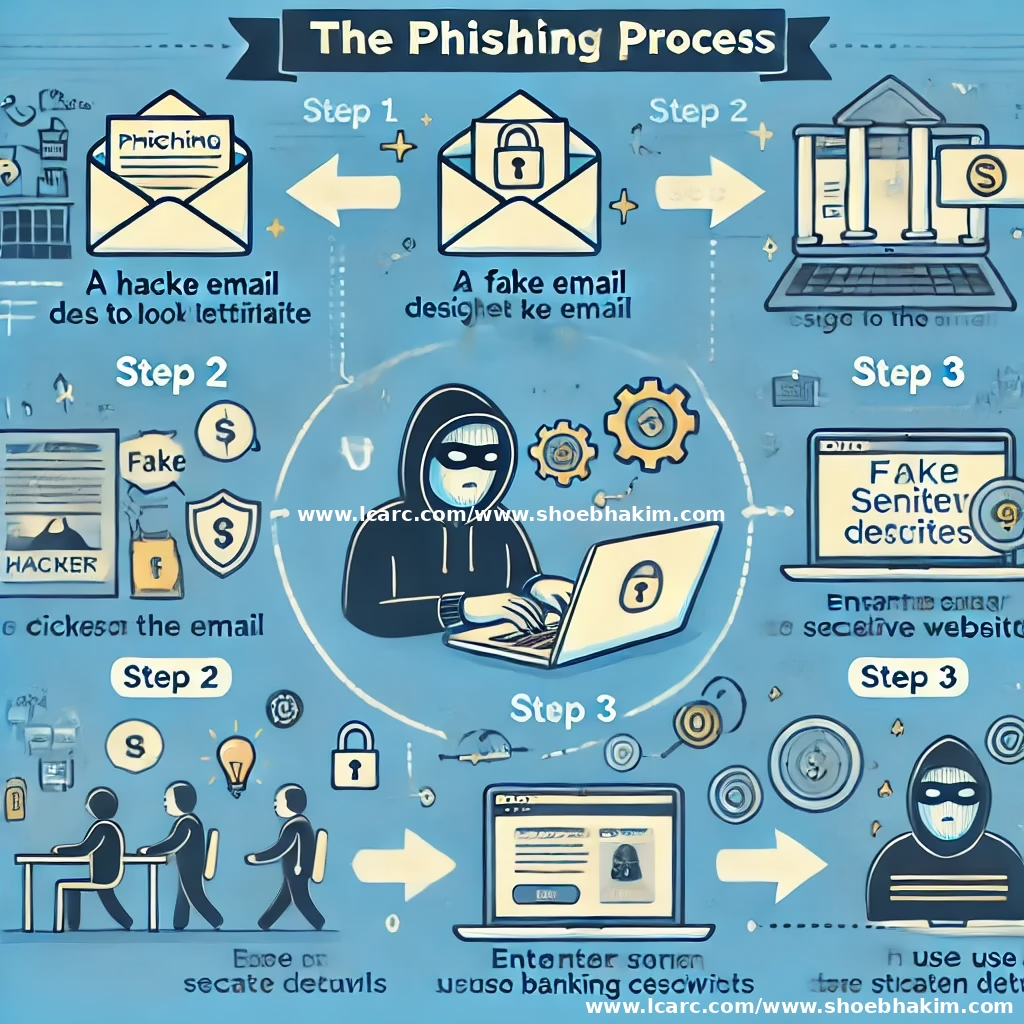
- Phishing: Sending fake emails or links to obtain user credentials.
- Hacking: Unauthorized access to systems or websites.
- Vishing and Smishing: Using phone calls or SMS to trick victims.
2. Why Are Banks Accountable?
Banks have a legal duty to ensure secure financial transactions. Under RBI guidelines, banks must:
- Use robust security measures, such as encryption and two-factor authentication.
- Provide immediate assistance in fraud cases.
- Educate customers about potential scams.
3. What Does the Supreme Court Say?
In its judgment, the Court emphasized:
- Duty of Care: Banks must safeguard customer funds, regardless of user error.
- Accountability: Financial institutions cannot escape liability by blaming customers alone.
- Precedent for Consumer Protection: This case strengthens legal recourse for victims of cyber fraud.
Relatable Example: How Cyber Fraud Works
Consider Ravi, who receives an email offering a Louis Philippe discount. The email contains a link directing him to a payment page mimicking the brand’s website. Believing it to be legitimate, Ravi enters his card details, only to find Rs 50,000 debited without any purchase confirmation.
This scenario mirrors the SBI customer’s experience, highlighting how cybercriminals exploit trust and digital vulnerabilities.
Legal Insights and Practical Tips
For Consumers:
- Stay Vigilant: Verify URLs before entering sensitive information.
- Enable Security Features: Use SMS alerts, secure passwords, and two-factor authentication.
- Report Quickly: Notify your bank and file a complaint with cybercrime authorities.
For Banks:
- Strengthen Security: Regularly update fraud detection systems.
- Educate Customers: Run awareness campaigns on phishing and scams.
- Ensure Quick Redressal: Streamline processes for resolving fraud complaints.
For Legal Professionals:
- This case sets a significant precedent for consumer rights, emphasizing the importance of legal advocacy in cyber fraud cases.
How Cyber Fraud Unfolds

Quiz: Test Your Knowledge
- What is the primary responsibility of banks in online transactions?
- A) Blaming customers for negligence.
- B) Securing transactions and assisting victims.
- C) Avoiding liability in cyber fraud cases.
- Which of the following is an example of phishing?
- A) Receiving a secure OTP from your bank.
- B) Entering details on a fake website sent via email.
- C) Calling customer service for account issues.
Answers: 1-B, 2-B.
Adv Shoeb Hakim’s Analysis & Conclusions
This judgment is a victory for consumer rights in the digital era. By holding SBI accountable, the Supreme Court sends a strong message to financial institutions about their role in securing online transactions.
Key Takeaways:
- Banks must prioritize security and customer support in fraud cases.
- Consumers should stay informed and proactive in protecting their data.
- Legal professionals can leverage this case to strengthen consumer advocacy in digital fraud matters.
Call-to-Action:
Learn more about your rights and best practices to prevent cyber fraud. Stay updated with legal developments by exploring trusted resources or consulting experts.
#advshoebhakim #shoebhakim #advshoaibhakim #CyberFraud #SupremeCourtJudgment #BankingSecurity #ConsumerRights #DigitalScams #PhishingAwareness #CybersecurityTips #LegalInsights #BankingLaw #OnlineFraudPrevention #SBIRefundCase #JusticeForConsumers #CyberLawIndia #DigitalAwareness #RBICompliance #SecureTransactions
DISCLAIMER
The information provided herein is fictional, free & creative content for entertainment purposes only and should not be construed as professional advice in legal, financial, or other matters. For concerns or feedback, adhere to the security.txt protocol. The views expressed do not represent those of any associated organizations. Refer to the full Website Disclaimer for details.