
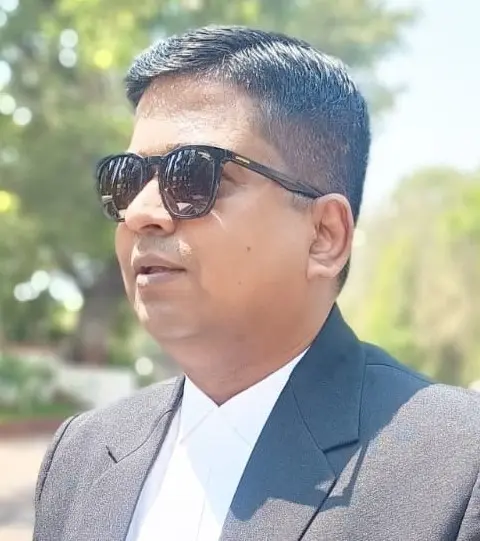
Why Adv Shoeb Hakim Thinks You Must Read This:
India’s higher education sector is on the brink of a paradigm shift. The University Grants Commission (UGC) has announced plans to overhaul its rigid faculty recruitment norms, paving the way for hiring experts from diverse fields. This article dives deep into the implications of this progressive move, exploring how it could transform academic culture, boost innovation, and align Indian education with global standards.
Whether you’re an academic, policymaker, or student, this piece highlights key aspects of the proposed changes and their broader impact.
A Fresh Era for Faculty Recruitment
The chairperson of the University Grants Commission (UGC) has made headlines with an announcement that promises to redefine how faculty members are hired in Indian universities. By moving away from traditional and restrictive hiring criteria, this new approach seeks to bring in fresh perspectives and expertise from diverse professional fields.
What’s Changing?
Under the existing framework, faculty recruitment in Indian universities often adheres to stringent rules. Candidates must meet specific qualifications and follow a conventional career trajectory, which limits the talent pool. The proposed changes aim to:
- Encourage Interdisciplinary Expertise: Faculty positions may soon be open to professionals with real-world experience in fields like technology, business, and arts.
- Relax Rigid Qualification Criteria: While academic credentials remain essential, emphasis will shift towards skill sets and practical contributions.
- Promote Global Competitiveness: Aligning hiring practices with international standards could elevate the global standing of Indian universities.
Potential Benefits of the New Policy
1. Enhanced Learning Experiences
Students stand to gain from instructors who bring practical, real-world insights into classrooms, bridging the gap between theory and practice.
2. Boosting Research and Innovation
Interdisciplinary faculties often lead to collaborative research that addresses complex, real-world problems.
3. Addressing Faculty Shortages
Expanding the hiring pool can help resolve the long-standing issue of faculty shortages in Indian universities.
Challenges and Considerations
While the proposed reforms are ambitious, they are not without challenges:
- Balancing Standards: Ensuring that quality benchmarks are maintained while relaxing eligibility criteria.
- Resistance to Change: The academic community may initially resist changes that disrupt traditional norms.
- Regulatory Oversight: Effective implementation requires robust monitoring to prevent misuse of relaxed norms.
Case Studies from Around the World
- United States: Many U.S. universities actively recruit professionals from industries to teach niche courses, enhancing the practical relevance of education.
- Germany: The dual education system integrates academic and industry-based learning, with faculty often drawn from both domains.
Adv Shoeb Hakim’s Insights, Analysis & Conclusions:
The UGC’s move to diversify faculty recruitment marks a crucial step towards modernizing Indian academia. By breaking away from outdated rules, this initiative can infuse fresh talent, foster interdisciplinary collaboration, and better prepare students for global challenges. However, the success of these reforms hinges on transparent execution and a balanced approach to maintaining academic standards. Policymakers and institutions must work collaboratively to navigate potential hurdles, ensuring that the changes benefit all stakeholders in the education ecosystem.
#advshoebhakim #shoebhakim #advshoiabhakim #UGCFacultyReforms #HigherEducationIndia #AcademicInnovation #FacultyHiring #EducationPolicy #IndianUniversities #DiverseRecruitment #InterdisciplinaryEducation #EducationReforms #GlobalCompetitiveness #HigherEdPolicy #ResearchAndInnovation #IndianEducationSystem #SkillBasedLearning #UGCUpdates #EducationTrendsIndia #AcademicCareers #StudentCenteredLearning #IndianAcademia #TalentDiversityInAcademia
DISCLAIMER: It is important to note that the information provided herein is not intended to serve as professional advice in fields such as medicine, finance, cybersecurity, legal matters, taxation, or emotional well-being. The content is purely for informational and entertainment purposes and should not be construed as expert guidance.
Should you have any concerns or wish to provide feedback regarding this material, please adhere to the security.txt protocol. The views expressed in this content do not necessarily represent those of any organizations with which I may be associated. For further details, please refer to the full Website Disclaimer.