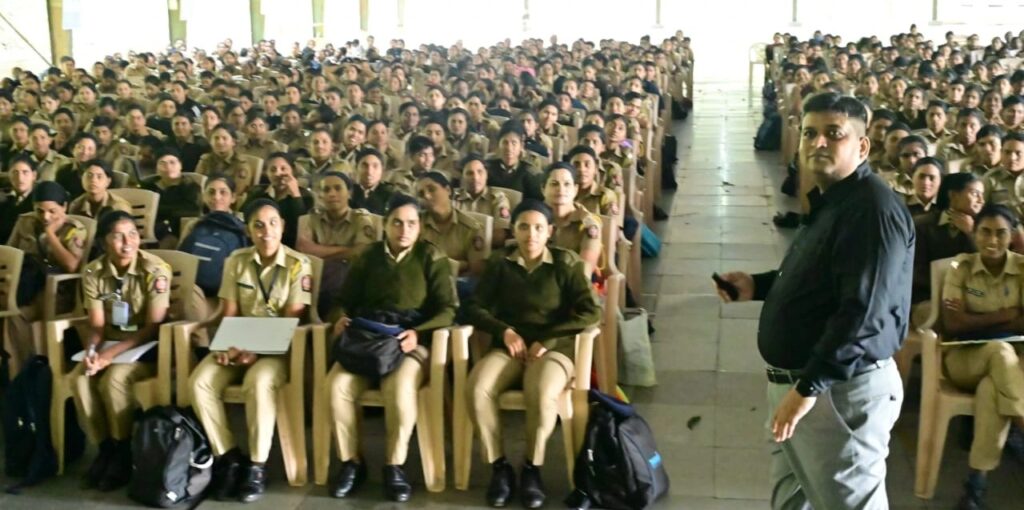

Why Adv Shoeb Hakim Considers This Article a Vital Read
The issue of international student compliance in Canada has garnered significant attention, particularly due to the high number of “no-show” students and their implications for immigration policies, education systems, and global migration trends.
This article simplifies the intricate details of this matter, offering insights that resonate with law, police, and banking students alike.
Unveiling the International Student Compliance Crisis in Canada

Understanding the Issue
Canada has emerged as a preferred destination for international students, offering world-class education and post-graduation opportunities. However, recent data reveals a troubling trend: close to 50,000 international students, including 19,582 Indian nationals, were reported as “no-shows” at designated learning institutions (DLIs) in 2024. This group represents 6.9% of all international students tracked by Immigration, Refugees, and Citizenship Canada (IRCC).
The International Student Compliance Regime (ISCR), established in 2014, mandates educational institutions to report student attendance and compliance twice yearly. This system aims to:
- Identify “bogus” students exploiting the visa system.
- Assist provincial authorities in tracking non-compliance trends.
- Maintain the integrity of Canada’s immigration system.
Key Statistics and Trends
- Indian Students: Nearly 20,000 students from India, accounting for 5.4% of the total, were non-compliant with their visas.
- Other Countries: High non-compliance rates were reported among students from:
- China: 6.4% (4,279 no-shows)
- Iran: 11.6% (1,848 no-shows)
- Rwanda: 48.1% (802 no-shows)
In addition, 23,514 students, representing 3.3% of the IRCC database, lacked compliance reports altogether, raising concerns about the accountability of educational institutions.
Case in Focus: The Indian Connection
Investigations by Indian law enforcement have linked certain Canadian colleges to Indian entities suspected of facilitating illegal border crossings into the United States. Instead of attending classes, some students reportedly sought unauthorized employment or migrated illegally.
Example: An Indian student entering Canada under a study visa might pay high upfront fees but never attend classes, instead working unlawfully or using smuggling networks to cross into the US.
Legal Implications and Policy Interventions
Tightening Regulations
Immigration Minister Marc Miller’s measures to curb abuse include:
- Suspending colleges and universities that fail to submit compliance reports.
- Conducting additional checks on students suspected of non-compliance.
- Enhancing penalties for educational institutions found complicit in fraudulent activities.
Addressing Systemic Gaps
Experts emphasize the need for:
- Transparent Data: Discrepancies in international student numbers reported by Statistics Canada and IRCC highlight the lack of reliable tracking mechanisms.
- Regulating Agents: Lawyers like David Matas advocate restricting student visa applications to Canadian-regulated lawyers and consultants to prevent exploitation by foreign agents.
Practical Insights and Recommendations
For Students
- Understand Visa Conditions: Ensure compliance with study permit requirements, including full-time enrollment.
- Engage Reputable Agents: Verify the credentials of consultants assisting with visa applications.
For Institutions
- Strengthen Reporting Mechanisms: Regularly update student compliance data to IRCC.
- Monitor Attendance: Implement systems to track and report irregularities promptly.
For Policymakers
- Improve Oversight: Conduct regular audits of DLIs to ensure adherence to compliance standards.
- Enhance Data Integration: Align statistics from various agencies to provide a holistic view of student visa compliance.
Adv Shoeb Hakim’s Analysis & Conclusions
This issue underscores the need for robust immigration policies to balance openness with security. While Canada’s appeal as a study destination remains strong, ensuring compliance is crucial to maintaining its integrity and reputation.
Key Takeaways:
- Enhanced regulation and monitoring can deter fraud.
- Greater collaboration between Canadian and Indian authorities is essential to address cross-border migration issues.
- Students and institutions must prioritize compliance to uphold the credibility of Canada’s education system.
Call to Action: For aspiring international students, ensure thorough understanding and compliance with visa regulations. Institutions and policymakers must work together to safeguard the system’s integrity.
Quiz: Test Your Knowledge
- What is the primary goal of the International Student Compliance Regime?
- A) To increase international student enrollment
- B) To monitor student attendance and compliance with visa rules
- C) To reduce tuition fees for international students
Answer: B
- Which country had the highest percentage of no-shows in the IRCC report?
- A) China
- B) India
- C) Rwanda Answer: C
- What percentage of international students lacked compliance reports?
- A) 3.3%
- B) 6.9%
- C) 11.6% Answer: A
Related to This Similar Cases/Articles You Must Read:
- Canada Tightens Study Visa Rules
- Understanding Canada’s International Student Policies
- Preventing Fraud in International Education
Meta Title: “Adv Shoeb Hakim on Canada’s Student Visa Compliance Issues”
Meta Description: “Explore the complexities of Canada’s student visa compliance with insights from Adv Shoeb Hakim. Understand key trends, policies, and practical solutions.”
#advshoebhakim #shoebhakim #advshoaibhakim #CanadaStudentVisa #StudentCompliance #ImmigrationLaw #VisaFraud #IndianStudents #InternationalEducation #CanadaImmigration #StudyAbroad #VisaRegulations #LegalInsights #PolicyAnalysis #ImmigrationTrends #GlobalMigration #IndianLawEnforcement #EducationPolicy #Advocacy #LegalCompliance
DISCLAIMER
The information contained in this document is purely fictional and serves as a creative work meant for entertainment only. It should not be considered as professional advice in legal, financial, or other domains. For detailed information, please refer to the full Website Disclaimer.