
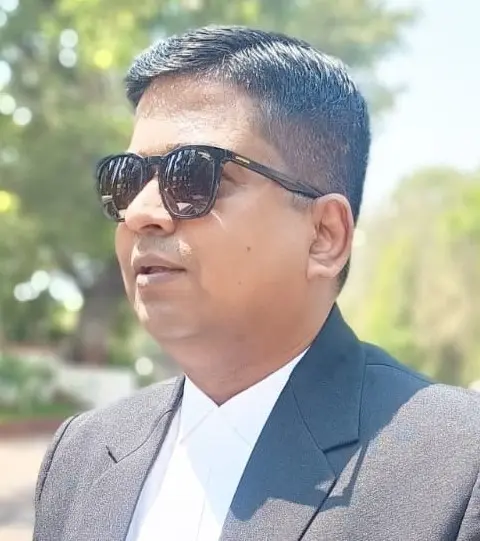
Why Adv Shoeb Hakim thinks you must read this: “Walmart Accused of Unauthorized Bank Accounts for Drivers: CFPB Takes Legal Action”
In a shocking revelation, Walmart allegedly opened over 1 million unauthorized bank accounts for its delivery drivers, sparking a lawsuit from the Consumer Financial Protection Bureau (CFPB). This case underscores the importance of financial transparency and corporate accountability in today’s business world. If proven true, the allegations could have significant implications for consumer rights and corporate ethics.
Dive into this article to uncover the key details of the lawsuit and understand its potential impact on corporate governance and driver rights.
The Background: Walmart and CFPB’s Allegations
Walmart, a retail giant known for its vast operations and innovation, is now embroiled in a legal battle with the CFPB. According to the lawsuit, Walmart allegedly opened unauthorized bank accounts for over 1 million of its delivery drivers, raising questions about consent and financial ethics. The CFPB claims that these accounts were opened without clear consent or sufficient disclosure, violating several consumer protection laws.
While Walmart has denied these allegations, calling them “unfounded and inflammatory,” the lawsuit has put a spotlight on corporate practices and the protection of gig workers in an evolving digital economy.
Key Allegations and Details of the CFPB Lawsuit
1. Unauthorized Account Openings
The CFPB alleges that Walmart’s financial services arm engaged in unauthorized practices by opening accounts in the names of delivery drivers without their explicit consent. These accounts were reportedly linked to various banking services and transactions, leaving drivers vulnerable to financial risks.
2. Potential Consumer Protection Violations
The lawsuit claims that Walmart violated provisions of the Consumer Financial Protection Act (CFPA) by failing to obtain proper consent and by misrepresenting the nature of the financial products offered.
3. Impact on Drivers
Many drivers reportedly faced difficulties in closing the unauthorized accounts, which led to unexpected fees, credit score issues, and financial stress. These alleged practices highlight concerns about corporate accountability in handling gig workers’ financial interactions.
4. Corporate Defense
Walmart has vehemently denied the allegations, asserting that all accounts were opened with the consent of the drivers and in accordance with applicable laws. The company has vowed to fight the lawsuit, arguing that its financial services are designed to benefit employees and contractors.
Broader Implications of the Lawsuit
For Drivers and Gig Workers
This lawsuit underscores the importance of safeguarding gig workers’ rights in financial dealings. If proven true, the allegations highlight systemic vulnerabilities in protecting workers from unauthorized actions by large corporations.
For Corporate Governance
The case serves as a reminder for corporations to prioritize transparency and consent in all financial dealings. A judgment against Walmart could lead to stricter regulatory oversight and encourage other companies to review their practices.
For Consumers
For consumers, this case reaffirms the importance of understanding financial services offered by employers and being vigilant about unauthorized transactions.
Adv Shoeb Hakim’s Insights, Analysis & Conclusions about: “Walmart Accused of Unauthorized Bank Accounts for Drivers: CFPB Takes Legal Action”
The allegations against Walmart, if substantiated, are a stark reminder of the fine line between corporate efficiency and ethical practices. As an attorney, I believe this case sheds light on the critical importance of transparency and consent in financial dealings, especially in the gig economy where workers often lack traditional employment protections.
For corporations, this lawsuit is a wake-up call to ensure that financial services are offered in compliance with legal norms and ethical guidelines. For delivery drivers and gig workers, it underscores the need to stay informed about their financial rights and to seek redress in case of unauthorized actions.
While the outcome of this case remains uncertain, its broader implications are undeniable. It has reignited conversations about consumer rights, corporate accountability, and the evolving challenges of the gig economy. Regardless of the verdict, this case is a milestone in ensuring that the rights of workers and consumers remain protected in a rapidly changing economic landscape.
#WalmartLawsuit #CFPBAction #GigEconomy #UnauthorizedAccounts #ConsumerProtection #DriverRights #CorporateAccountability #FinancialTransparency #GigWorkers #BankingEthics
Disclaimer:
As an attorney, I want to clarify that I am not your attorney, and this article does not establish an attorney-client relationship. My legal practice is based in India, and the information provided here is grounded in Indian law. This content is intended solely for informational purposes related to medical, legal, tax, and emotional matters, and should not be construed as professional advice.
It is essential to consult a qualified attorney or other licensed professionals before acting on any information presented. I do not claim expertise in fields such as medicine, finance, or cybersecurity, and my writings should not be interpreted as advice in those areas.
This material is fictional and meant for entertainment and informational purposes only. Readers are encouraged to think critically about the content. If you have any concerns or suggestions regarding this content, please follow the security.txt procedure.
The opinions expressed do not reflect those of any organizations I may be affiliated with. Read the complete website disclaimer.