

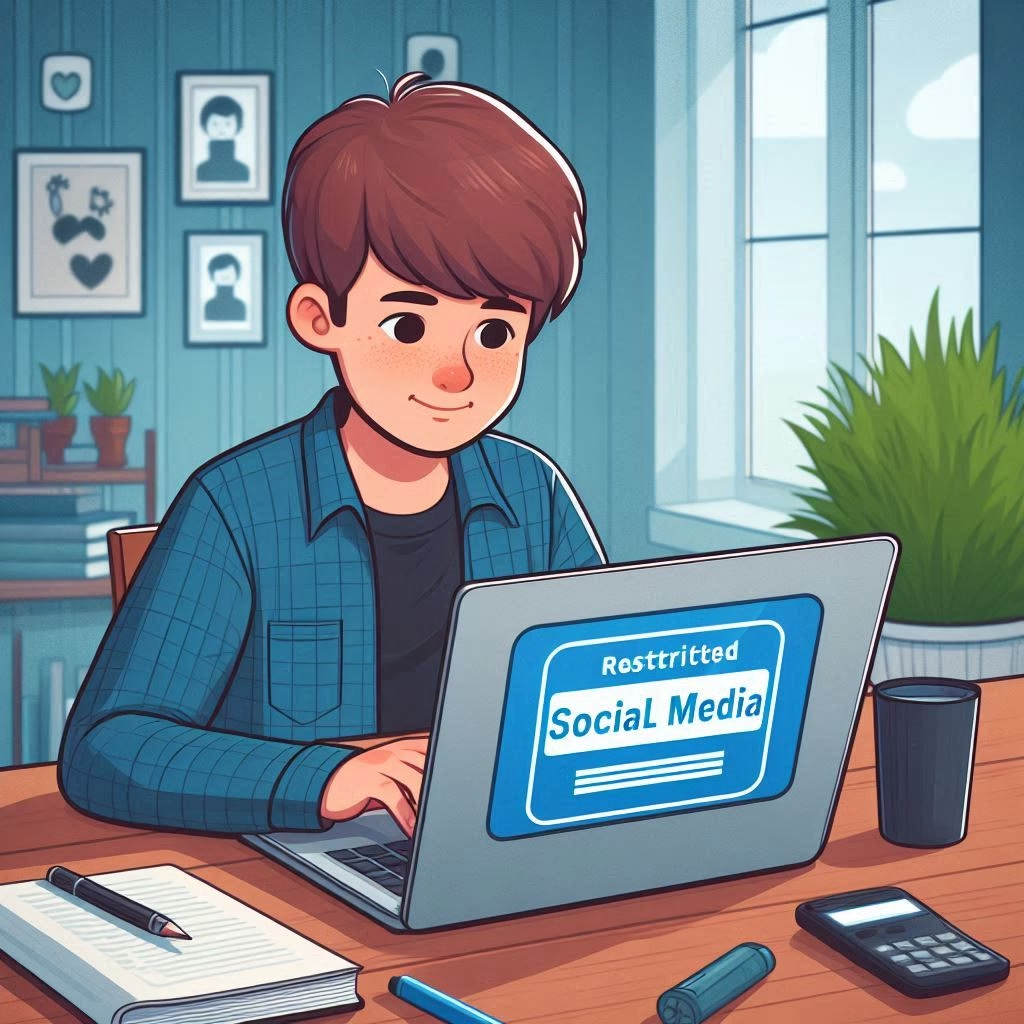
Australia has enacted a new legislation that prohibits individuals under the age of 16 from accessing popular social media platforms such as TikTok, Instagram, and Facebook.
This law introduces significant penalties for technology companies that fail to adhere to its stipulations, with potential fines reaching up to AUD 50 million.
The primary objective of this legislation is to safeguard young individuals from the dangers associated with online interactions and to mitigate the adverse effects that social media may have on the mental well-being of youth.
The introduction of this law has ignited a vigorous national discussion, with proponents arguing that it is a crucial measure for protecting the mental health of young people. Conversely, opponents contend that it poses a threat to privacy rights and may inadvertently affect vulnerable populations in negative ways.
Additionally, the law raises concerns regarding privacy, as it explicitly forbids social media platforms from requiring government-issued identification for age verification, leading to uncertainty about how age checks will be implemented without compromising user privacy.
Critics, including various senators and representatives from the tech industry, have expressed their belief that the legislation is poorly conceived, hastily implemented, and impractical in its execution.
The proposed amendments significantly enhance privacy safeguards by prohibiting platforms from requiring users to submit government-issued identification, such as passports or driver’s licenses, and from mandating digital identification through governmental systems. The House is set to vote on these amendments this Friday.
However, there are concerns among critics regarding the potential implications of restricting young children from accessing social media, particularly how it may affect the privacy of users who need to verify their age as being over 16. While the major political parties are in favor of the ban, numerous advocates for child welfare and mental health express apprehension about possible unintended effects.
Senator David Shoebridge, representing the minority Greens party, highlighted the consensus among mental health professionals that such a ban could lead to the dangerous isolation of many children who rely on social media for support. He emphasized that this policy could disproportionately harm vulnerable youth, particularly in regional areas and within the LGBTQI community, by severing their connections.
In contrast, Opposition Senator Maria Kovacic defended the bill as a necessary measure rather than an extreme one, asserting that its primary objective is to ensure social media companies take appropriate actions to identify and remove underage users from their platforms. She criticized these companies for neglecting their responsibilities in favor of profit for too long.
Online safety advocate Sonya Ryan, whose daughter Carly tragically lost her life due to the actions of a predator posing as a teenager online, characterized the Senate vote as a pivotal step toward safeguarding children from severe online dangers.
She poignantly remarked that while it is too late for her daughter and many others who have suffered, it is crucial to unite in their memory and work towards a safer online environment.
Additionally, Wayne Holdsworth, whose son Mac tragically took his own life after being targeted by an online sextortion scheme, has been a vocal advocate for change, underscoring the urgent need for protective measures in the digital landscape.
#AustraliaSocialMedia #YouthProtection #MentalHealthMatters #SocialMediaLaw #DigitalSafety #TechRegulation #OnlineHarm #YouthPrivacy #SocialMediaDebate #AgeVerification #TechFines #ChildSafetyOnline #SocialMediaImpact #PrivacyConcerns #YouthEmpowerment #DigitalWellbeing #LegislationDebate #SocialMediaCriticism #ProtectOurKids #ResponsibleTech