Updated: August 2026 | Reading Time: 10 minutes

Introduction
Understanding the most common internet cybercrimes is essential for individuals, businesses, and law enforcement agencies in 2026. Cybercrime is a broad and evolving field, but certain types of attacks are more prevalent due to their effectiveness and the value of the data they target.
With global cybercrime costs projected to reach $10.5 trillion annually by 2025 and phishing accounting for more than half of criminal online activity, understanding the most common internet cybercrimes is the first step toward effective protection. From phishing and malware to ransomware and identity theft, cybercriminals continue to refine their techniques.
Authored by Adv. Shoeb Hakim—a criminal defence, AML, digital forensics, and cybercrime specialist who has trained police since 1995—this comprehensive guide examines the most common internet cybercrimes, their impact, and practical prevention strategies for 2026.
Most Common Internet Cybercrimes: Overview
The most common internet cybercrimes fall into several categories, each with distinct methods, targets, and impacts. Here are the 7 most prevalent threats in 2026:
1. Phishing: The Most Prevalent Cybercrime
Description: Phishing involves sending fraudulent emails or messages that appear to be from legitimate sources to trick individuals into providing sensitive information, such as passwords or credit card numbers.
Impact: Phishing is the most prevalent form of cybercrime, accounting for more than half of criminal online activity. In 2026, phishing attacks have become increasingly sophisticated, using AI-generated content to create convincing impersonations.
Common Phishing Techniques:
- Email Phishing: Fraudulent emails mimicking legitimate organizations
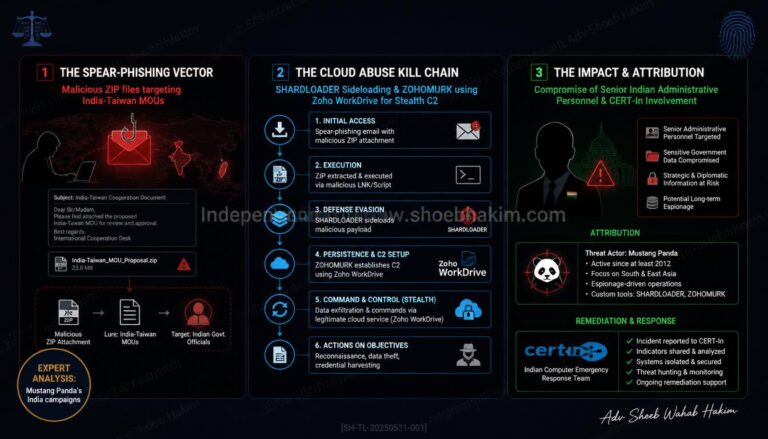
- Spear Phishing: Targeted attacks on specific individuals or organizations
- Whaling: Phishing attacks targeting senior executives
- Smishing: SMS-based phishing attacks
- Vishing: Voice-based phishing (phone calls)
- Pharming: Redirecting users to fake websites
Prevention Tips:
- Verify sender addresses before clicking links
- Enable two-factor authentication (2FA)
- Use email filtering and anti-phishing tools
- Educate employees on phishing red flags
- Never share sensitive information via email or phone
2. Malware: Malicious Software Attacks
Description: Malware, or malicious software, includes viruses, worms, trojans, ransomware, and spyware. These programs are designed to damage, disrupt, or gain unauthorized access to computer systems.
Impact: Malware attacks can lead to data breaches, financial loss, and system damage. In 2026, malware has become more sophisticated, with AI-powered variants that can evade traditional detection methods.
Common Types of Malware:
- Viruses: Self-replicating programs that attach to files
- Worms: Self-replicating malware that spreads across networks
- Trojans: Malware disguised as legitimate software
- Spyware: Malware that secretly monitors user activity
- Keyloggers: Software that records keystrokes
- Fileless Malware: Malware that operates in memory without leaving traces
Prevention Tips:
- Install and update antivirus/anti-malware software
- Keep operating systems and applications updated
- Avoid downloading files from untrusted sources
- Use application whitelisting
- Implement endpoint detection and response (EDR) solutions
3. Ransomware: The Growing Epidemic
Description: Ransomware is a type of malware that encrypts a victim’s data and demands a ransom payment for the decryption key.
Impact: Ransomware attacks have increased significantly, with millions of incidents reported globally. In 2026, ransomware attacks have become more targeted, with attackers using double extortion tactics—threatening to leak stolen data as well as encrypting it.
Key Statistics:
- Around 236.1 million ransomware attacks were reported globally in the first half of 2022
- Ransomware attacks have increased by over 400% since 2020
- Average ransom payment exceeds $1.5 million
Prevention Tips:
- Maintain regular, secure backups (3-2-1 rule)
- Implement network segmentation
- Use endpoint protection with anti-ransomware capabilities
- Educate employees on ransomware risks
- Develop an incident response plan
4. Identity Theft: Stealing Digital Identities
Description: Identity theft involves stealing personal information, such as Social Security numbers, to commit fraud or other crimes. In the digital age, identity theft has become easier and more lucrative for cybercriminals.
Impact: Victims of identity theft can suffer financial loss and damage to their credit scores. In 2026, identity theft has expanded to include synthetic identity fraud—combining real and fake information to create new identities.
Common Identity Theft Methods:
- Data breaches exposing personal information
- Phishing attacks stealing login credentials
- Skimming devices at payment terminals
- Social media data harvesting
- SIM swapping attacks
Prevention Tips:
- Monitor bank accounts and credit reports regularly
- Use strong, unique passwords for each account
- Enable two-factor authentication
- Be cautious about sharing personal information online
- Freeze credit if identity theft is suspected
5. Hacking: Unauthorized Access
Description: Hacking involves gaining unauthorized access to computer systems or networks to steal data, disrupt operations, or cause other harm.
Impact: Hacking can lead to significant data breaches and financial losses. In 2026, hacking has become more sophisticated, with attackers using AI-powered tools and exploiting zero-day vulnerabilities.
Common Hacking Techniques:
- Exploiting vulnerabilities: Using unpatched security holes
- Brute force attacks: Trying multiple password combinations
- SQL injection: Exploiting database vulnerabilities
- Cross-site scripting (XSS): Injecting malicious scripts
- Zero-day exploits: Attacking unknown vulnerabilities
Prevention Tips:
- Keep software and systems patched
- Implement strong access controls and authentication
- Use web application firewalls (WAFs)
- Conduct regular vulnerability assessments and penetration testing
- Monitor for suspicious activity
6. Denial-of-Service (DoS) Attacks
Description: DoS attacks aim to make a computer or network resource unavailable to its intended users by overwhelming it with a flood of internet traffic.
Impact: These attacks can disrupt services and cause significant downtime for businesses. In 2026, Distributed Denial-of-Service (DDoS) attacks have become larger and more frequent, with some attacks exceeding 1 terabit per second.
Types of DoS Attacks:
- Volume-based attacks: Overwhelming bandwidth
- Protocol attacks: Exploiting network protocols
- Application-layer attacks: Targeting web applications
- Amplification attacks: Using third-party servers to amplify traffic
Prevention Tips:
- Use DDoS protection services
- Implement network redundancy
- Monitor traffic for anomalies
- Have an incident response plan
- Use content delivery networks (CDNs)
7. Social Engineering: Manipulating Human Behavior
Description: Social engineering involves manipulating individuals into divulging confidential information or performing actions that compromise security.
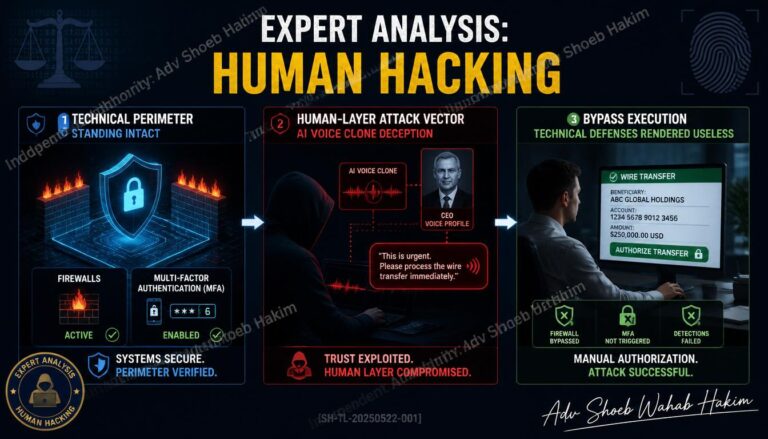
Impact: Social engineering attacks can lead to data breaches and unauthorized access to systems. In 2026, social engineering has become more sophisticated, with AI-powered impersonation and deepfake technology used to deceive targets.
Common Social Engineering Techniques:
- Pretexting: Creating a false scenario to obtain information
- Baiting: Offering something enticing to compromise security
- Tailgating: Following authorized personnel into secure areas
- Quid pro quo: Offering something in exchange for information
- Deepfake impersonation: Using AI-generated audio or video to impersonate individuals
Prevention Tips:
- Conduct regular security awareness training
- Verify identities before sharing sensitive information
- Establish clear policies for verifying requests
- Use multi-factor authentication
- Encourage reporting of suspicious contacts
Cybercrime Statistics 2026
Understanding the scope of the most common internet cybercrimes requires looking at the numbers:
| Cybercrime Type | Prevalence / Statistics |
|---|---|
| Phishing | More than half of criminal online activity is connected to phishing |
| Ransomware | 236.1 million attacks in first half of 2022; over 400% increase since 2020 |
| Identity Theft | Numerous cases reported annually; synthetic identity fraud growing |
| Data Breaches | Over 5,000 significant breaches reported in 2025 |
| Global Cybercrime Cost | Projected $10.5 trillion annually by 2025 |
How to Protect Yourself from the Most Common Internet Cybercrimes
For Individuals
- Use strong passwords and a password manager
- Enable two-factor authentication wherever possible
- Keep software updated with security patches
- Be cautious of suspicious emails and links
- Use antivirus/anti-malware software
- Monitor accounts for unusual activity
- Back up important data regularly
For Businesses
- Implement a comprehensive security policy
- Conduct regular security awareness training
- Use endpoint detection and response (EDR)
- Implement zero-trust architecture
- Conduct regular vulnerability assessments
- Develop an incident response plan
- Consider cyber insurance
2026 Regulatory Context
The most common internet cybercrimes are addressed by various regulatory frameworks:
- IT Act, 2000: Sections 66, 66B, 66C, 66D, 67, and 70
- Bharatiya Nyaya Sanhita (BNS), 2023: Sections 303, 318, 336, 356, and 79
- GDPR (EU): Data breach notification and penalties
- DPDP Act (India): Data protection and privacy obligations
- FATF Recommendations: AML/CFT requirements for financial institutions
Conclusion
The most common internet cybercrimes—phishing, malware, ransomware, identity theft, hacking, DoS attacks, and social engineering—pose significant threats to individuals, businesses, and governments in 2026. Understanding these threats is the first step toward effective protection.
By implementing robust security measures, staying informed about emerging threats, and fostering a culture of cybersecurity awareness, individuals and organizations can significantly reduce their risk of falling victim to the most common internet cybercrimes.
Frequently Asked Questions
Q1: What are the most common internet cybercrimes?
The most common internet cybercrimes are: phishing, malware, ransomware, identity theft, hacking, Denial-of-Service (DoS) attacks, and social engineering. Phishing is the most prevalent, accounting for more than half of criminal online activity.
Q2: What is phishing and why is it the most common cybercrime?
Phishing involves sending fraudulent emails or messages that appear legitimate to trick individuals into providing sensitive information. It is the most common cybercrime because it exploits human psychology and is relatively easy to execute at scale.
Q3: What is ransomware and how common is it?
Ransomware is a type of malware that encrypts a victim’s data and demands a ransom for decryption. Around 236.1 million ransomware attacks were reported globally in the first half of 2022, with attacks increasing by over 400% since 2020.
Q4: How can individuals protect themselves from cybercrime?
Individuals can protect themselves by using strong passwords, enabling two-factor authentication, keeping software updated, being cautious of suspicious emails, using antivirus software, monitoring accounts, and backing up important data regularly.
Q5: What is social engineering in cybercrime?
Social engineering involves manipulating individuals into divulging confidential information or performing actions that compromise security. Techniques include pretexting, baiting, tailgating, and deepfake impersonation.
📚 Related Legal Guides on Adv. Shoeb Hakim’s Website:
- Cyber Crime BNS Sections 2026: IPC to BNS Mapping
- Section 66C IT Act Identity Theft 2026: Penalties & Legal Analysis
- Global Cybercrime Laws Comparison 2026: US, UK, EU, India & More
- Become a Cybercrime Investigator 2026: Career Guide & Roadmap
- Digital Evidence in Law Enforcement 2026: 6 Best Practices
📌 Explore More on Adv. Shoeb Hakim’s Website:
- Read More Articles on the Blog
- Book a Consultation with Adv. Shoeb Hakim
- Contact Adv. Shoeb Hakim
- Careers & Opportunities
By Adv. Shoeb Hakim
Criminal defence, AML, digital forensics, and cybercrime specialist; former Head of AML & Client ID (AVP), Credit Suisse; training police and judiciary since 1995.
📌 Connect: https://www.linkedin.com/in/shoebhakim | https://shoebhakim.com/shoeb-hakim-blog/
📌 Visit my website for more articles: https://shoebhakim.com
📌 Visit my website for research fellowship: https://www.legalcomplaince.in
Disclaimer: This content is for informational purposes only and does not constitute legal advice. Readers should consult qualified legal counsel for advice on their specific circumstances.
Additional Page Metadata
- Author: Adv. Shoeb Hakim
- Author Bio: Adv. Shoeb Hakim is a Mumbai-based criminal defence, AML, digital forensics and cybercrime specialist. Former Head of AML & Client ID (AVP) at Credit Suisse. Has been training police and judiciary since 1996. Provides expert commentary on cybercrime, cybersecurity, and digital forensics.
- Article Publisher: Adv. Shoeb Hakim
- Article Section: Cybercrime | Cybersecurity | Digital Forensics | IT Law
- Article Tags: Most Common Internet Cybercrimes, Phishing, Malware, Ransomware, Identity Theft, Hacking, DoS Attacks, Social Engineering, Cybercrime Statistics, Cybersecurity Prevention, IT Act 2000, BNS 2023, Adv Shoeb Hakim
#MostCommonInternetCybercrimes #Phishing #Malware #Ransomware #IdentityTheft #Hacking #DoS #SocialEngineering #Cybercrime #CyberSecurity #CyberAwareness #DataProtection #ITAct #BNS #AdvShoebHakim