Updated: August 2026 | Reading Time: 9 minutes

Introduction
Understanding what banks do if they suspect money laundering is essential for compliance professionals, bankers, and customers alike. When banks suspect money laundering, they follow a series of steps to ensure compliance with regulations and to prevent illegal activities. These steps protect the integrity of the financial system and help law enforcement combat financial crime.
In 2026, with global regulators imposing over $8 billion in fines in 2025 alone, banks are more vigilant than ever. The question of what banks do if they suspect money laundering has become increasingly complex, involving sophisticated technology, regulatory reporting, and cross-border cooperation.
Authored by Adv. Shoeb Hakim—a criminal defence, AML, digital forensics, and cybercrime specialist who has trained police since 1995—this comprehensive guide walks you through the what banks do if they suspect money laundering process, step by step.
What Banks Do If They Suspect Money Laundering: The Complete Process
When banks suspect money laundering, they follow a structured process that involves multiple departments, systems, and regulatory obligations. Here is what banks do if they suspect money laundering:
Step 1: Transaction Monitoring
What Banks Do If They Suspect Money Laundering begins with transaction monitoring. Banks continuously monitor transactions for suspicious activities. This includes:
- Large cash deposits that are inconsistent with customer profiles
- Frequent transfers to different accounts or jurisdictions
- Transactions that don’t match the customer’s business profile
- Structuring (breaking down large transactions to avoid reporting thresholds)
- Rapid movement of funds between multiple accounts
Advanced AI and machine learning systems analyze patterns in real-time, flagging anomalies that may indicate money laundering. In 2026, banks use sophisticated transaction monitoring systems that can detect complex laundering schemes across multiple channels.
Step 2: Suspicious Activity Reports (SARs)
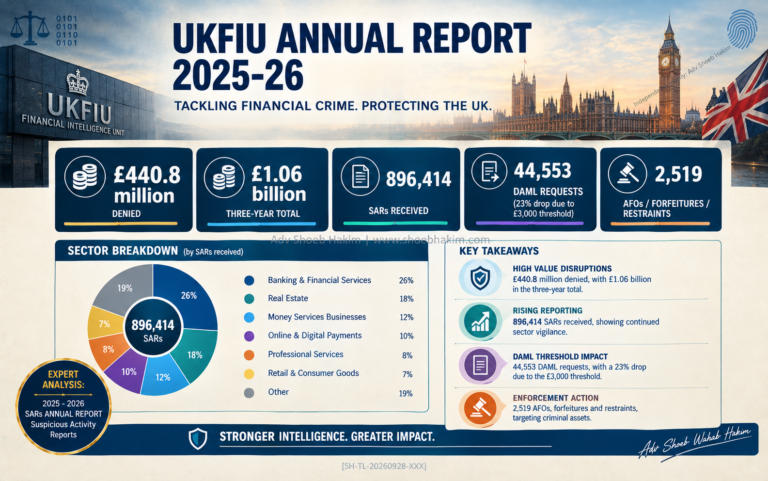
What banks do if they suspect money laundering includes mandatory regulatory reporting. If a bank identifies a suspicious transaction, it is required to file a Suspicious Activity Report (SAR) with the relevant financial regulatory authority.
The SAR includes:
- Details of the suspicious activity
- Transaction amounts and dates
- Parties involved
- Basis for suspicion
- Any supporting evidence
In India, SARs are filed with FIU-IND under the Prevention of Money Laundering Act (PMLA). In the United States, they are filed with FinCEN. Under FATF Recommendation 20, financial institutions must report suspicious transactions promptly.
The filing of SARs is strictly confidential, and banks are prohibited from informing the customer involved in the suspicious transaction.
Step 3: Customer Due Diligence (CDD)
What banks do if they suspect money laundering includes enhanced due diligence. Banks perform Customer Due Diligence (CDD) and Enhanced Due Diligence (EDD) on customers involved in suspicious transactions.
This involves:
- Verifying the customer’s identity through independent sources
- Understanding the nature of their business and source of funds
- Assessing the risk of money laundering associated with the customer
- Reviewing beneficial ownership structures
- PEP screening for politically exposed persons
In 2026, with the FATF’s updated Recommendations on beneficial ownership, this step has become more rigorous. Banks must identify the ultimate beneficial owners of corporate structures and trusts.
Step 4: Account Freezing
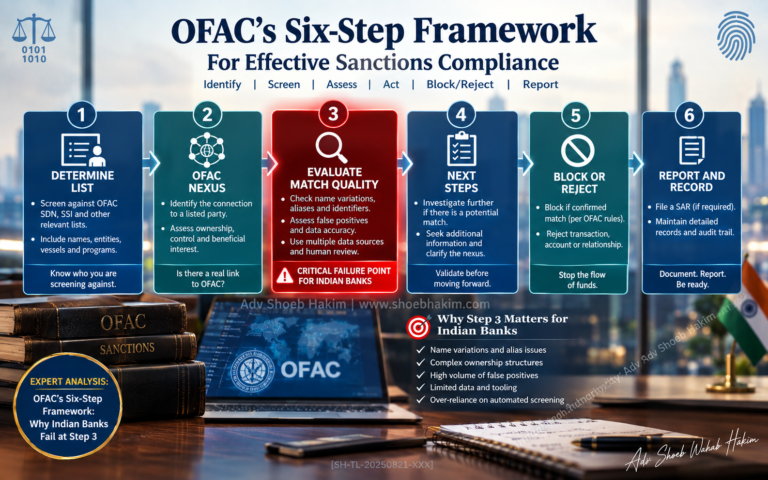
What banks do if they suspect money laundering often includes freezing accounts. In some cases, banks may freeze the accounts involved in suspicious activities to prevent further transactions until the investigation is complete.
In India, the Enforcement Directorate (ED) can freeze accounts under the PMLA. However, the Supreme Court held on 31 July 2026 that the ED cannot freeze bank accounts merely on suspicion and must first record legally sustainable “reasons to believe” before exercising such powers.
Account freezing is typically temporary and lasts only as long as necessary for the investigation. Banks must balance their obligation to prevent money laundering with the customer’s right to access their funds.
Step 5: Internal Investigation
What banks do if they suspect money laundering includes conducting internal investigations. Banks conduct internal investigations to gather more information about the suspicious activities.
This involves:
- Reviewing transaction histories and patterns
- Customer profiles and communication records
- Interviewing staff who interacted with the customer
- Coordinating with compliance and legal teams
- Documenting findings for regulatory reporting
The internal investigation may be conducted by the bank’s compliance department, a dedicated financial crime unit, or external forensic experts.
Step 6: Collaboration with Authorities
What banks do if they suspect money laundering includes cooperation with law enforcement. Banks cooperate with law enforcement agencies and financial regulators during the investigation.
This includes:
- Providing necessary information and documentation
- Supporting investigations with forensic analysis
- Complying with search warrants and subpoenas
- Filing additional reports as required
- Coordinating with international regulators for cross-border cases
Banks are required to maintain the confidentiality of their cooperation and must not tip off the customer about the investigation.
Step 7: Compliance with Regulations
What banks do if they suspect money laundering includes ensuring ongoing compliance. Banks ensure that they comply with all relevant anti-money laundering (AML) regulations and guidelines.
This includes:
- Implementing robust AML policies and procedures
- Training staff on AML regulations and red flags
- Regularly updating AML systems and controls
- Conducting compliance audits and risk assessments
- Staying current with regulatory changes from FATF, RBI, SEBI, and other authorities
In 2026, banks must also comply with evolving regulations including the EU AMLR, FinCEN’s proposed AML/CFT program reforms, and updated FATF Recommendations.
Timeframe: How Long Does It Take?
What banks do if they suspect money laundering is a process with specific timelines:
- SAR Filing: Must be filed promptly once suspicion is confirmed. In India, STRs must be filed within seven working days of the Principal Officer’s satisfaction.
- Account Freezing: Banks may freeze accounts immediately if there is reasonable suspicion, but this is typically reviewed within days.
- Internal Investigation: Can take weeks or months depending on complexity.
- Collaboration with Authorities: Continuous until the case is resolved.
Recent Regulatory Developments (2026)
What banks do if they suspect money laundering is shaped by regulatory developments:
- FATJ June 2026 Plenary: Updated Recommendations on beneficial ownership and humanitarian exemptions.
- FinCEN AML/CFT Program Reform: Proposed rule introducing a formal definition of an “effective” program.
- EU AMLR: Single rulebook for AML/CFT across the EU, effective from 10 July 2027.
- RBI KYC Master Direction (India): Risk-based KYC updates.
- Supreme Court (31 July 2026): ED cannot freeze bank accounts merely on suspicion.
Conclusion
When banks suspect money laundering, they follow a comprehensive process that protects the financial system and supports law enforcement. From transaction monitoring and SAR filing to customer due diligence, account freezing, internal investigations, collaboration with authorities, and compliance with regulations, what banks do if they suspect money laundering is a multi-layered approach designed to detect, prevent, and report financial crime.
In 2026, with evolving regulations and emerging threats, banks must continuously strengthen their AML programs. Understanding what banks do if they suspect money laundering is essential for compliance professionals, bankers, and customers alike.
Frequently Asked Questions
Q1: What do banks do if they suspect money laundering?
When banks suspect money laundering, they: (1) monitor transactions, (2) file Suspicious Activity Reports (SARs), (3) perform enhanced Customer Due Diligence, (4) freeze suspicious accounts, (5) conduct internal investigations, (6) cooperate with authorities, and (7) ensure regulatory compliance.
Q2: What is a Suspicious Activity Report (SAR)?
A SAR is a confidential report filed by banks with regulators (FIU-IND in India, FinCEN in the US) when they detect suspicious transactions. It includes details of the activity and the individuals involved.
Q3: Can banks freeze accounts if they suspect money laundering?
Yes, banks can freeze accounts involved in suspicious activities. However, the Supreme Court held on 31 July 2026 that the ED cannot freeze bank accounts merely on suspicion and must record legally sustainable “reasons to believe.”
Q4: How long does a money laundering investigation take?
The timeline varies. SARs must be filed promptly. Internal investigations can take weeks or months. Account freezes are typically temporary and reviewed within days. Collaboration with authorities continues until the case is resolved.
Q5: Do banks tell customers if they file a SAR?
No. Banks are strictly prohibited from informing customers that a SAR has been filed about them. This is known as the “tipping-off” prohibition and is essential to protect investigations.
📚 Related Compliance Guides on Adv. Shoeb Hakim’s Website:
- Compliance Officer in a Stock Broking Company: Duties & 2026 Guide
- Compliance Department Roles and Responsibilities: 2026 Guide
- Group Legal, Compliance & Secretariat (LCS): Functions & 2026 Guide
- AML Process in Banking: 6 Key Steps
- AML Program in Banking: 6 Key Components
- How Banks Do AML Checks: 6 Key Steps in 2026
📌 Explore More on Adv. Shoeb Hakim’s Website:
- Read More Articles on the Blog
- Book a Consultation with Adv. Shoeb Hakim
- Contact Adv. Shoeb Hakim
- Careers & Opportunities
By Adv. Shoeb Hakim
Criminal defence, AML, digital forensics, and cybercrime specialist; former Head of AML & Client ID (AVP), Credit Suisse; training police and judiciary since 1995.
📌 Connect: https://www.linkedin.com/in/shoebhakim | https://shoebhakim.com/shoeb-hakim-blog/
📌 Visit my website for more articles: https://shoebhakim.com
📌 Visit my website for legal knowledge: https://www.vakilverse.com
📌 Visit my website for research fellowship: https://www.legalcomplaince.in
Disclaimer: This content is for informational purposes only and does not constitute legal advice. Readers should consult qualified legal counsel for advice on their specific circumstances.
Additional Page Metadata
- Author: Adv. Shoeb Hakim
- Author Bio: Adv. Shoeb Hakim is a Mumbai-based criminal defence, AML, digital forensics and cybercrime specialist. Former Head of AML & Client ID (AVP) at Credit Suisse. Has been training police and judiciary since 1996. Provides expert commentary on anti-money laundering, banking compliance, and financial crime prevention.
- Article Publisher: Adv. Shoeb Hakim
- Article Section: Anti-Money Laundering | Banking Compliance | Financial Crime | Regulatory Compliance
- Article Tags: What Banks Do If They Suspect Money Laundering, AML Process, Suspicious Activity Reports, Account Freezing, Customer Due Diligence, Transaction Monitoring, Internal Investigation, Regulatory Compliance, Money Laundering, FATF 2026, Adv Shoeb Hakim
#WhatBanksDoIfTheySuspectMoneyLaundering #AMLProcess #SARFiling #AccountFreezing #CustomerDueDiligence #TransactionMonitoring #MoneyLaundering #BankingCompliance #FinancialCrime #AMLCompliance #FATF #FinCEN #RBI #AdvShoebHakim