

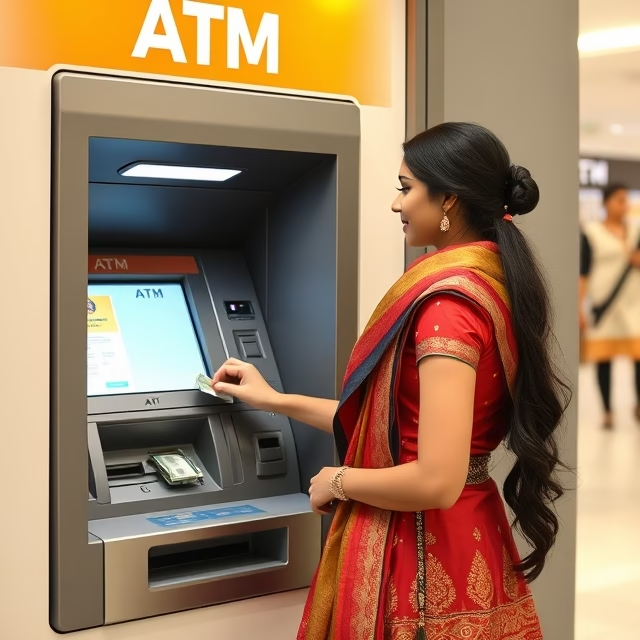
Why Some ATMs Will Now Retract Cash: Insights into RBI’s Mandate
The Reserve Bank of India (RBI) recently approved the reintroduction of the cash retraction feature in ATMs as a strategic measure to counter growing cases of ATM fraud. This decision reflects a balanced approach to addressing vulnerabilities in the ATM network while safeguarding customer interests.
Here’s an in-depth look at the development and its implications.
What is Cash Retraction?
Cash retraction is a mechanism where cash dispensed but left uncollected by a customer is pulled back into the ATM after a specified period, typically 30-45 seconds. This functionality prevents cash from remaining accessible in the dispenser slot, which could otherwise be vulnerable to theft or fraud.
This feature was prevalent in ATMs globally but was discontinued in India after a 2012 directive. At the time, banks reported a rise in false claims by individuals who allowed cash to retract deliberately and later disputed the transactions.
Why is It Making a Comeback?
The resurgence of advanced fraud techniques, particularly the use of shutter overlays and cash-trapping devices, has necessitated a re-evaluation. Criminals often use these devices to intercept or manipulate cash withdrawals, leaving legitimate customers at risk. The RBI’s reintroduction of cash retraction allows uncollected cash to return securely into the ATM, reducing opportunities for tampering or theft.
Additionally, the National Payments Corporation of India (NPCI) has flagged the growing sophistication of ATM fraud networks, prompting the need for updated security measures.
Key Benefits for Users and Banks
- Enhanced Security:
- Prevents unauthorized access to cash left uncollected.
- Reduces exposure to physical fraud at ATM locations.
- Improved Customer Confidence:
- Assurance that uncollected money is secured rather than left vulnerable in the dispenser.
- Promotes trust in ATM systems as fraud prevention measures are visibly strengthened.
- Streamlined Dispute Resolution:
- Clear guidelines are in place to address cases of retracted cash.
- Banks must ensure that disputes are resolved transparently, adhering to existing protocols for failed transactions.
Challenges in Implementation
- Customer Awareness:
- Users must be educated about the reactivation of this feature. Clear communication is essential to prevent misunderstandings or unintentional losses due to uncollected cash.
- Technological Upgrades:
- ATMs must be reprogrammed or updated to re-enable retraction functionality while maintaining compatibility with existing systems.
- Operational Costs:
- Banks and White Label ATM Operators (WLAOs) will need to assess the cost implications of software and hardware updates required to reactivate this feature.
Expert Recommendations for ATM Users
To ensure a seamless experience and minimize risks, customers should:
- Promptly Collect Cash: Retrieve cash immediately after it is dispensed to avoid unintended retraction.
- Stay Alert at ATMs: Be cautious of tampering signs, such as unusual attachments to the cash dispenser.
- Report Issues Quickly: Notify your bank immediately if cash is retracted without appearing in your account balance.
A Broader Security Initiative
The reintroduction of cash retraction is part of a larger push by the RBI to enhance ATM security. Measures like biometric authentication, encrypted communication channels, and real-time fraud monitoring systems are being explored to fortify India’s financial infrastructure.
By reinstating this feature, the RBI is striking a balance between mitigating risks and preserving customer convenience. This move underscores the regulator’s commitment to adapting policies in response to evolving security challenges.
#ATMSecurity #CashRetract #RBIMandate #FraudPrevention #BankingInnovation #ATMFeatures #RBIUpdates #CustomerSafety #DigitalBanking #SecurityMeasures #BankingTechnology #ATMFraud #CashSecurity #FintechSecurity