
“Bombay HC Criticizes Registrar for Denying Muslim Man’s 3rd Marriage Registration: Key Legal Insights”
Introduction: A Landmark Case of Marriage Rights and Religious Law
The Bombay High Court recently pulled up a marriage registrar for refusing to register a Muslim man’s third marriage, citing religious and legal obligations. This case highlights a significant conflict between personal laws and administrative practices, shedding light on the broader implications for individual rights and societal norms.
But what exactly happened, and why did it spark such a strong response from the court? Let’s delve deeper.
The Incident: Why the Registrar Denied the Registration
A Muslim man seeking to register his third marriage faced denial from the registrar’s office, which argued that the request conflicted with legal provisions governing marriage registrations. However, under Muslim personal law, a man is permitted to marry up to four wives simultaneously, provided certain conditions are met.
The registrar’s refusal, perceived as a violation of personal law, prompted the man to approach the Bombay High Court for relief. The court not only ordered the registration but also criticized the registrar for overstepping their authority.
The Bombay HC’s Stand: Balancing Rights and Responsibilities
The High Court emphasized that the registrar’s duty is administrative, not judicial. The court pointed out:
- Recognition of Personal Laws: Muslim personal laws are recognized under India’s constitutional framework and must be respected.
- Registrar’s Scope: The role of the registrar is to verify documentation, not interpret personal or religious laws.
- Right to Equality: Denying registration infringes on the petitioner’s rights, setting a concerning precedent for administrative overreach.
The Legal and Social Implications of the Judgment
This case raises several critical questions about the intersection of personal laws, societal norms, and administrative practices:
- For Personal Laws: It reaffirms the constitutional validity of religious laws in a secular democracy.
- For Administrative Authorities: It sets boundaries on their discretion, emphasizing respect for individual rights.
- For Society: It sparks debates about polygamy, gender rights, and modern interpretations of religious practices.
What This Means for Muslim Personal Law in India
The judgment reinforces that personal laws must be upheld within their legal boundaries. Here’s why this is significant:
- Preserving Religious Freedom: India’s constitution guarantees the right to practice religion without undue interference.
- Judicial Oversight: Courts play a vital role in ensuring administrative decisions align with constitutional principles.
- Awareness of Rights: This case encourages individuals to stand up for their legally protected rights.
How Citizens Can Navigate Similar Challenges
For those facing similar challenges, here are actionable steps:
- Understand the Law: Familiarize yourself with personal and constitutional rights.
- Seek Legal Recourse: Approach the courts if administrative decisions violate your rights.
- Engage Advocates: Consult legal experts to ensure your case is presented effectively.
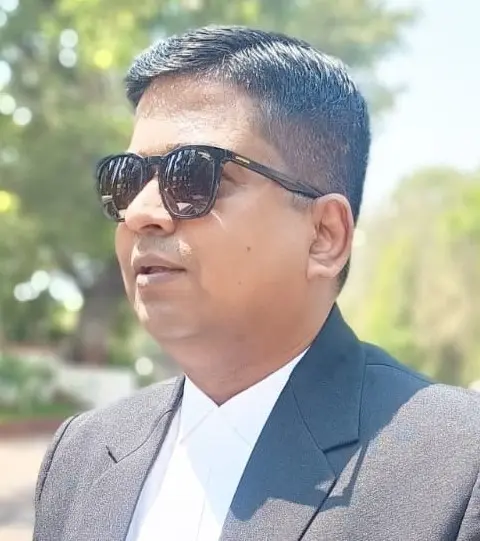
Adv Shoeb Hakim’s Insights, Analysis & Conclusions about: Bombay HC Criticizes Registrar for Denying Muslim Man’s 3rd Marriage Registration
Adv Shoeb Hakim reflects on this case as a significant reminder of the fine balance between personal laws and administrative roles. He observes:
- For Individuals: “This judgment reaffirms that personal laws are safeguarded within India’s secular framework. Citizens must exercise their rights without fear of arbitrary denials.”
- For Administrators: “Registrars and officials must operate within their mandate, ensuring that administrative processes respect the legal protections afforded to personal laws.”
This landmark ruling underscores the importance of legal awareness and judicial intervention in preserving individual rights. As societal and legal frameworks evolve, cases like these highlight the need for greater sensitivity and understanding in administrative practices.
#BombayHighCourtJudgment #MuslimPersonalLaw #MarriageRegistrationCase #IndiaLegalInsights #AdvShoebHakimAnalysis #PersonalLawRights #AdministrativeOverreach #MarriageRightsIndia #PolygamyLegalDebate #JudicialIntervention