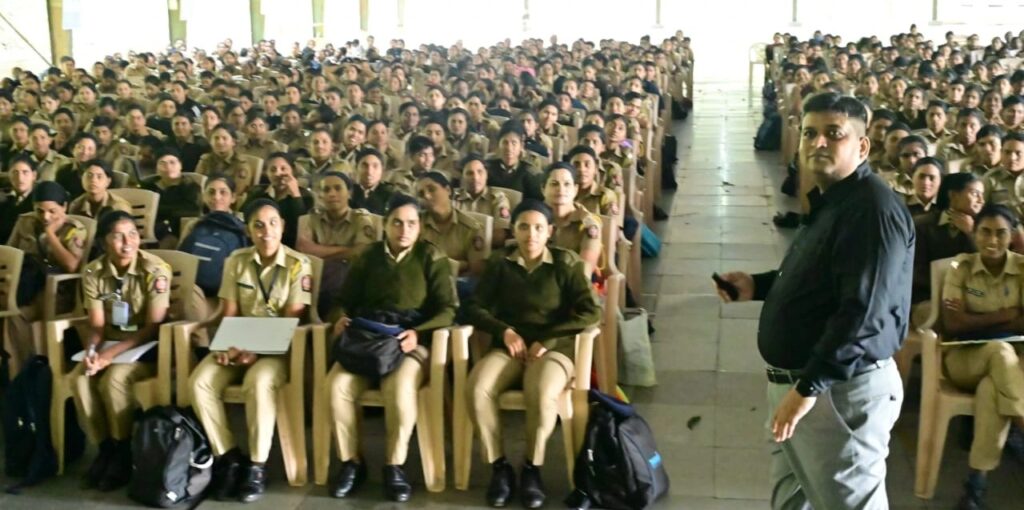

Policing Tips for Schools and Colleges: Preventing Crimes and Enhancing Campus Safety
In today’s world, maintaining a safe and secure environment for students, faculty, and staff in schools and colleges has become a critical responsibility. Policing in educational institutions isn’t just about responding to incidents, but also about proactive measures that prevent crimes and foster a supportive atmosphere for learning.
This article offers guidance on effective policing strategies, how to engage with students, control behavioral issues, and how modern tools can help detect and investigate crimes.
Effective Policing Tips for Schools and Colleges
- Create a Positive Presence
Police officers should be seen as approachable figures within school and college campuses. Their presence should be one of support, not just enforcement. Participating in community-building activities, mentoring programs, or attending school events can build trust with students and staff. - Promote Open Communication
Open dialogue between police officers, students, teachers, and parents is essential. Establish confidential channels where students can report bullying, harassment, or any other suspicious activities. Peer reporting systems, where students anonymously report issues, can help prevent serious crimes. - Behavioral Monitoring
Regularly observe student behaviors to detect any signs of potential problems, such as aggression, anxiety, or significant changes in academic performance. Teachers and professors should be trained to identify such signs and report them to the appropriate authorities. - Establish Clear Rules and Consequences
Implementing and enforcing clear rules about behavior is crucial. Students should be aware of the consequences of their actions. Having a strict but fair disciplinary code helps prevent escalation and teaches students about accountability. - Build Relationships with Teachers and Professors
Teachers play a pivotal role in identifying student problems early on. Encouraging a collaborative relationship between police and educational staff can help address potential issues before they escalate. Regular meetings or training for educators on handling disruptive behavior and identifying signs of distress are important.
How Modern Tools Help in Detecting and Investigating Crimes
- CCTV Surveillance
Modern campuses are equipped with surveillance systems that play a crucial role in maintaining security. CCTV footage can help monitor areas where crimes may occur, such as parking lots, hallways, and common areas. It can be instrumental in investigating any criminal activity or bullying incidents. - Social Media Monitoring Tools
Many crimes today, such as cyberbullying, harassment, or even gang-related activities, manifest on social media platforms. Tools that monitor students’ online presence—while respecting privacy—can help detect early signs of harmful behavior or threats. - Digital Footprint Tracking
Many students use digital platforms for both academic and social activities. By tracking academic cheating or identifying unusual patterns in online activity, law enforcement can uncover issues like cybercrime, plagiarism, or drug-related activity. - Incident Reporting Apps
Many schools and colleges now employ apps where students can anonymously report any threats, concerns, or crimes. These apps allow quick reporting of incidents such as fights, bullying, or threats without fear of retaliation. - Drug Detection and Prevention Tools
Modern schools are also using drug detection kits and tools to identify students involved in substance abuse. These tools help in preventing drug-related issues on campus by making it more difficult to hide such behavior.
How to Control Disruptive Student Behavior
- Restorative Practices
Instead of punitive measures alone, schools and colleges should adopt restorative justice practices that focus on reconciliation and understanding. This approach helps students take responsibility for their actions and learn from their mistakes. - Increased Engagement with At-Risk Students
Identify at-risk students early and offer support programs such as counseling or academic assistance. Schools that engage with students before problems escalate have more success in preventing crimes or misconduct. - Support Groups for Mental Health
Establishing support systems like mental health counselors can help students cope with stress, bullying, and other factors contributing to behavioral problems. Providing access to counseling services can prevent violent behavior and other serious issues from developing. - Peer Mediation Programs
Encouraging students to mediate conflicts among themselves, with supervision, can help foster a cooperative environment. Peer mediation empowers students to resolve disputes without resorting to violence or misconduct.
Conclusion
Effective policing in educational institutions involves more than just responding to incidents; it requires proactive measures that foster a safe and supportive environment.
By leveraging modern tools, building strong relationships with teachers and students, and employing behavioral monitoring techniques, schools and colleges can prevent crime and address issues quickly.
Balancing enforcement with educational engagement creates a safer, more positive space for learning and growth.
#CampusSafety #StudentPolicing #SchoolSecurity #ModernPolicing #BehavioralMonitoring #SocialMediaSafety #CrimePreventionInSchools #StudentSupport #SchoolSafetyTools #CollegeCrimePrevention