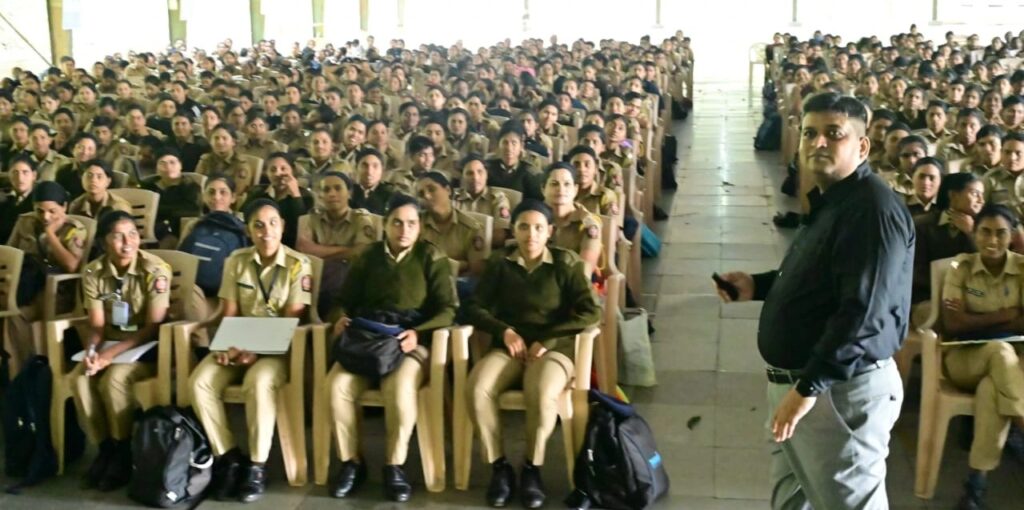
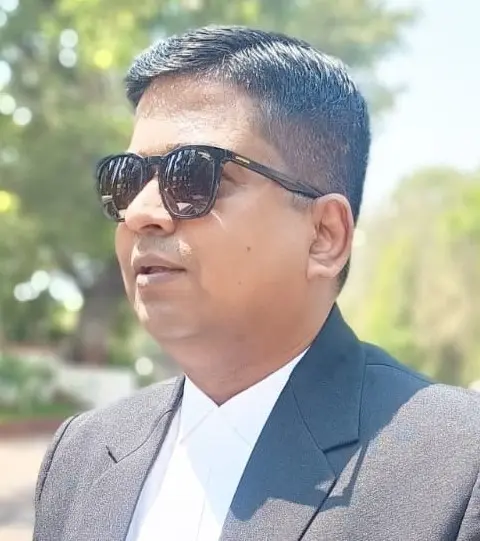

Why Adv Shoeb Hakim Considers This Article a Vital Read
In today’s interconnected world, social media platforms have become battlegrounds for professional disputes. The recent LinkedIn altercation between an Indian-origin entrepreneur in the United States and a job seeker in India sheds light on the complexities of professional behavior, ethics, and legal implications in the digital age.
This article explores the nuances of such public exchanges, providing valuable insights for law and banking students.
Professional Disputes in the Digital Era: A Case Study

The Incident
The controversy began when a Chicago-based entrepreneur accused a job seeker in India of unprofessional behavior post-interview. The CEO claimed:
- The candidate displayed rude behavior.
- Ignored follow-up communications.
- Showed a “money-driven mindset.”
To escalate matters, the entrepreneur tagged the job seeker and their current employer on LinkedIn, sparking a debate about professionalism and accountability.
Implications of Public Disputes on Social Media
1. Reputational Risks
- For Employers: Publicly tagging a candidate and their employer can damage a company’s image, portraying them as vindictive.
- For Job Seekers: Being publicly accused can harm a candidate’s career prospects, regardless of the truth.
2. Legal Considerations
- Defamation: Publicly accusing someone without substantial evidence can lead to defamation lawsuits.
- Data Privacy: Sharing personal details like current employment violates privacy norms in many jurisdictions.
Ethical and Professional Standards
For Employers
- Maintain Confidentiality: Refrain from disclosing interview details publicly.
- Provide Constructive Feedback: Use private channels to communicate concerns or provide feedback.
For Job Seekers
- Respect Professional Protocols: Respond to follow-ups promptly and courteously.
- Understand the Implications of Ghosting: Ignoring communications can leave a negative impression.
Lessons for Law and Banking Students
Legal Perspective
- Defamation Laws: Understand the elements required to prove defamation, such as publication, identification, and harm.
- Employment Law: Explore the rights and responsibilities of employers and employees during recruitment processes.
Banking and Financial Insights
- Corporate Reputation Management: Learn how disputes can impact a company’s market value and investor confidence.
- Crisis Management: Study how organizations can handle such situations without escalating conflicts.
Adv Shoeb Hakim’s Analysis & Conclusions
This case exemplifies how professional disputes, if not handled with care, can spiral into public spectacles with serious consequences. Both parties have lessons to learn:
- Employers must prioritize confidentiality and constructive criticism.
- Job seekers should adhere to professional norms to avoid misunderstandings.
For students of law and banking, this serves as a compelling study of how legal and ethical frameworks intersect in the digital era.
Call-to-Action
- Analyze similar cases to deepen your understanding of employment and defamation laws.
- Participate in mock trials and debates to enhance your critical thinking skills.
Quiz
Question: What is one potential legal risk of publicly accusing someone on social media?
- A) Increased job offers.
- B) Defamation lawsuits.
- C) Improved public relations.
- D) Higher employee retention.
Answer: B) Defamation lawsuits.
#advshoebhakim, #shoebhakim, #advshoaibhakim, #linkedincontroversy, #defamationlaws, #employmentethics, #digitalera, #lawstudents, #bankingstudents, #corporatereputation, #employmentlaw, #professionalism, #socialmediaethics, #recruitmentprotocols, #dataprivacy, #legalimplications, #crisismanagement, #professionalstandards, #confidentiality, #publicaccusations
DISCLAIMER:
The information provided herein is fictional, free, and creative creation for entertainment purposes only and should not be construed as professional advice in legal, financial, or other matters.
For concerns or feedback, adhere to the security.txt protocol. The views expressed do not represent those of any associated organizations. Refer to the full Website Disclaimer for details.