
“Unlawful Police Surveillance to Expose Journalistic Source: Court Ruling Sparks Debate on Press Freedom”
Introduction: Press Freedom Under Threat?
In a landmark ruling, a court has declared a police surveillance operation aimed at unmasking a journalist’s source unlawful. This judgment underscores the delicate balance between national security, press freedom, and privacy rights.
The case has reignited discussions about the protection of journalistic sources, with critics accusing the police of overstepping their bounds. What led to this dramatic legal battle, and what does it mean for press freedom? Let’s dive into the details.
The Case: How Surveillance Crossed the Line
The police operation was initiated to identify the source of confidential information leaked to a journalist. However, the methods employed were far-reaching, involving:
- Unauthorized Surveillance: Phone tapping and monitoring of digital communications without proper judicial approval.
- Violation of Privacy: Tracking the journalist’s movements and interactions, breaching both their privacy and the source’s anonymity.
- Overstepping Authority: The lack of accountability and judicial oversight in the operation raised serious ethical and legal questions.
The Court’s Verdict: A Win for Press Freedom
The court unequivocally ruled that the police actions were unlawful, citing the following reasons:
- Violation of Source Protection Laws: Journalistic sources are protected under press freedom laws, a cornerstone of democracy.
- Breach of Privacy Rights: The operation contravened constitutional protections on individual privacy.
- Lack of Oversight: The absence of judicial authorization rendered the surveillance illegal.
The court’s decision reinforces the importance of safeguarding the press’s ability to operate without fear of undue interference.
Why This Matters: The Broader Implications
This case has far-reaching consequences for journalists, law enforcement, and democracy at large:
- Chilling Effect on Journalism: Unauthorized surveillance risks deterring whistleblowers and compromising investigative journalism.
- Accountability for Law Enforcement: The judgment calls for stricter oversight mechanisms to prevent misuse of power.
- Democratic Values at Stake: Protecting press freedom is essential to maintaining transparency and holding power accountable.
Lessons for Law Enforcement Agencies
The ruling serves as a wake-up call for police forces to respect legal boundaries. To prevent such controversies in the future:
- Follow Due Process: Seek judicial authorization for surveillance operations involving journalists.
- Understand Press Protections: Law enforcement must be trained on legal safeguards for journalists and their sources.
- Maintain Transparency: Implement oversight mechanisms to ensure accountability and public trust.
What Journalists Can Do to Safeguard Their Sources
Journalists play a crucial role in exposing truths, often relying on anonymous sources. To protect their confidentiality:
- Use Encryption Tools: Secure communications through encrypted platforms to prevent unauthorized access.
- Know Your Rights: Familiarize yourself with laws protecting journalistic sources in your jurisdiction.
- Build Legal Support: Establish relationships with legal experts to navigate challenges effectively.
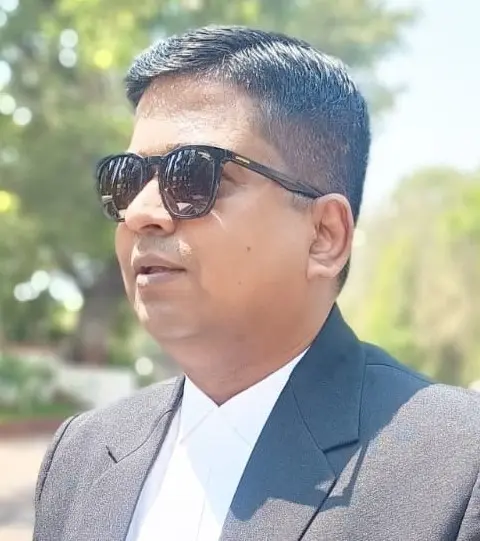
Adv Shoeb Hakim’s Insights, Analysis & Conclusions about: Unlawful Police Surveillance to Expose Journalistic Source
Adv Shoeb Hakim emphasizes that this case is a pivotal moment for press freedom and legal accountability. He remarks:
- For Journalists: “This judgment is a victory for press freedom, but journalists must remain vigilant and proactive in protecting their sources.”
- For Law Enforcement: “The ruling highlights the need for law enforcement to respect constitutional protections while conducting investigations.”
- For Society: “Press freedom isn’t just a journalist’s concern—it’s a cornerstone of a transparent and accountable democracy.”
This case sends a powerful message: the rights of the press and the principles of privacy are non-negotiable in a democratic society. As nations grapple with evolving challenges, preserving these values is more critical than ever.
#PressFreedom #JournalisticSourceProtection #UnlawfulSurveillance #PrivacyRights #PoliceAccountability #AdvShoebHakimInsights #FreedomOfPress #CourtRuling2024 #JournalismEthics #DemocracyAndTransparency