

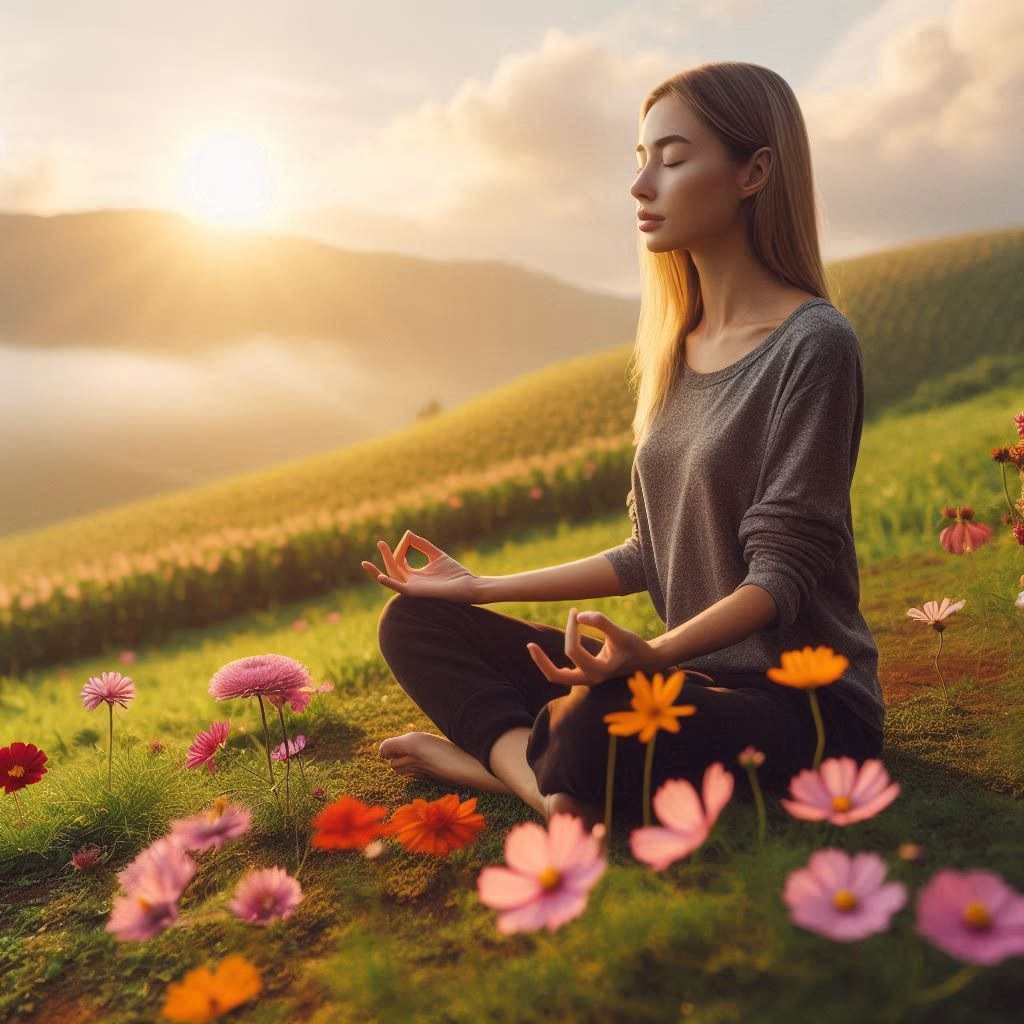
Breathing exercises can be a powerful tool for soothing your nervous system. One effective method is the 4-7-8 technique, where you inhale deeply for four seconds, hold your breath for seven seconds, and then exhale slowly for eight seconds. This practice can significantly alleviate feelings of stress and anxiety, providing a moment of calm in a hectic day.

Engaging in mindfulness and meditation can also be beneficial for mental well-being. Mindfulness encourages you to stay present and observe your thoughts without judgment, while meditation can facilitate this state of awareness. Utilizing apps like Headspace or Calm can guide you through meditation practices, making it easier to incorporate this into your daily routine.
Regular physical activity is another essential aspect of maintaining a positive mood. Exercise triggers the release of endorphins, which are known to enhance feelings of happiness. Aim for at least 30 minutes of moderate exercise, such as walking, jogging, or practicing yoga, on most days to reap these benefits.
A nutritious diet plays a crucial role in your overall health and can influence your mood. Consuming a variety of fruits, vegetables, lean proteins, and whole grains can support your well-being, while limiting caffeine and sugar intake may help reduce anxiety levels.
Prioritizing good sleep hygiene is vital for mental clarity and emotional stability. Establishing a consistent sleep schedule by going to bed and waking up at the same time each day, along with creating a calming bedtime routine, can enhance the quality of your sleep and help you feel more rested.
It’s wise to limit alcohol consumption and avoid nicotine, as both can exacerbate anxiety symptoms. Reducing or eliminating these substances from your lifestyle can lead to improved mental health and a greater sense of well-being.
Maintaining social connections is essential for emotional support. Sharing your feelings with friends or family can provide comfort and reassurance, reminding you that you are not alone in your struggles.
Setting achievable goals can help you manage tasks without feeling overwhelmed. Breaking larger projects into smaller, more manageable steps allows you to celebrate your progress, no matter how minor, which can boost your confidence and reduce anxiety.
If anxiety becomes a significant barrier in your life, seeking professional help is a valuable option. Mental health professionals can offer therapies, such as cognitive-behavioral therapy (CBT), which have proven effective in addressing anxiety-related issues.
Incorporating relaxation techniques into your routine, such as practicing yoga, listening to music, reading, or engaging in hobbies you love, can provide a much-needed respite from daily stressors and help you unwind.
Ultimately, it’s important