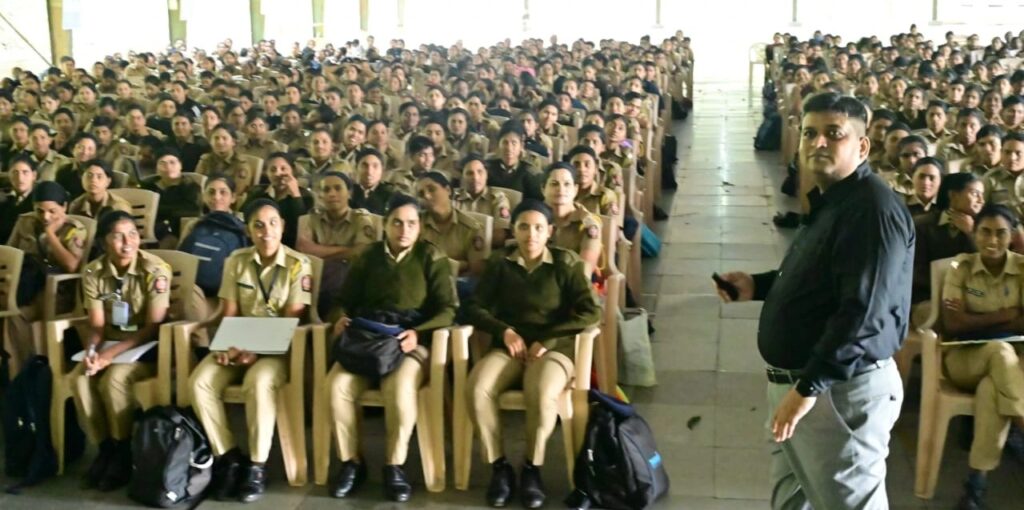

Why Adv Shoeb Hakim Considers This Article a Vital Read
Road accidents claim thousands of lives annually in India, making road safety a critical public concern. A Public Interest Litigation (PIL) filed by Tandava Yogesh brought this issue to the forefront, prompting significant judicial intervention.
The Andhra Pradesh High Court, led by Chief Justice Dheeraj Singh Thakur and Justice Cheemalapati Ravi, directed state police to intensify enforcement and collect fines to deter traffic violations.
This article explores:
- The significance of the PIL and its implications for road safety enforcement.
- Judicial observations that balance public safety with legal enforcement.
- Practical insights for citizens, law enforcement, and policymakers.
Adv Shoeb Hakim breaks down the legal and societal aspects of this case, making it accessible to readers interested in law, governance, and public policy.
The PIL: A Catalyst for Change
Tandava Yogesh’s PIL highlighted alarming statistics on road accident fatalities, emphasizing the urgent need for stricter enforcement of traffic laws. The petition argued that lax enforcement and disregard for regulations contribute significantly to road mishaps.
Key Concerns Raised in the PIL:
- Increasing Fatalities:
The petition cited data showing a steady rise in road accidents, with reckless driving, overspeeding, and drunken driving as primary causes. - Enforcement Gaps:
It highlighted inadequate monitoring, limited use of technology, and inconsistent penalties for violations. - Call for Accountability:
The PIL demanded greater accountability from the state police and stricter adherence to the Motor Vehicles Act, 1988.
High Court’s Observations and Directives
The Andhra Pradesh High Court, in its judgment, recognized the gravity of the issue and issued actionable directives:
- Intensified Enforcement:
The court instructed state police to increase vigilance against traffic violations, particularly in high-risk zones. - Collection of Fines:
Emphasizing deterrence, the court directed authorities to impose and collect fines consistently, ensuring that penalties serve as a warning to potential violators. - Public Awareness Campaigns:
The judgment stressed the importance of sensitizing the public about road safety through campaigns and educational initiatives.
Legal Framework Governing Road Safety
The Motor Vehicles Act, 1988
- Section 185:
Penalizes driving under the influence of alcohol or drugs. - Section 194:
Imposes fines for overspeeding and other dangerous driving practices.
Case Law Reference
In P. Rathinam v. Union of India (1994), the Supreme Court emphasized the importance of balancing individual freedom with public safety, a principle that resonates with the High Court’s directives in this PIL.
Implications of the Judgment
For Law Enforcement Agencies:
- Increased Accountability:
Police must ensure rigorous enforcement of traffic laws and maintain transparent records of fines collected. - Use of Technology:
Integration of automated systems, such as speed cameras and breath analyzers, can enhance monitoring efficiency.
For Citizens:
- Awareness and Compliance:
Understanding traffic rules and the penalties for violations is crucial for safer roads. - Role in Accountability:
Citizens can report violations and unsafe practices, contributing to a culture of compliance.
For Policymakers:
- Infrastructure Improvements:
Addressing road design flaws and improving signage can reduce accident-prone zones. - Legislative Reforms:
Periodic updates to the Motor Vehicles Act can address emerging challenges in road safety.
Practical Examples of Implementation
Example 1: Reducing Accidents Through Fines
In Delhi, the introduction of steep fines under the amended Motor Vehicles Act led to a significant decline in traffic violations, demonstrating the deterrent effect of stringent penalties.
Example 2: Leveraging Technology
Hyderabad’s use of AI-enabled cameras to monitor traffic violations has improved compliance and reduced accidents in the city.
Adv Shoeb Hakim’s Insights, Analysis & Conclusions
The PIL filed by Tandava Yogesh serves as a powerful reminder of the role judiciary can play in addressing public safety issues. The Andhra Pradesh High Court’s directives underscore the importance of a multi-pronged approach to road safety, combining enforcement, education, and infrastructure improvements.
For citizens, adhering to traffic laws is not just a legal obligation but a moral one that ensures the safety of all road users. For authorities, consistent enforcement and the use of technology are critical to long-term success.
Call to Action:
If you encounter unsafe practices or lax enforcement, raise your voice. Engage with local authorities, report violations, and advocate for better infrastructure and policies to make roads safer for everyone.
#advshoebhakim #shoebhakim #advshoaibhakim #RoadSafetyIndia #TrafficViolations #PILRoadSafety #MotorVehiclesAct #JudiciaryAndSafety #AdvShoebHakimInsights #HighCourtJudgments #PublicInterestLitigation #RoadAccidentPrevention #TrafficLawEnforcement #SafeDrivingIndia #LegalFrameworksIndia #RoadSafetyAwareness #JudiciaryIntervention #CaseLawIndia #PublicSafety
DISCLAIMER
It is important to note that the information provided herein is not intended to serve as professional advice in fields such as medicine, finance, cybersecurity, legal matters, taxation, or emotional well-being. The content is purely for informational and entertainment purposes and should not be construed as expert guidance.
Should you have any concerns or wish to provide feedback regarding this material, please adhere to the security.txt protocol. The views expressed in this content do not necessarily represent those of any organizations with which I may be associated. For further details, please refer to the full Website Disclaimer.