
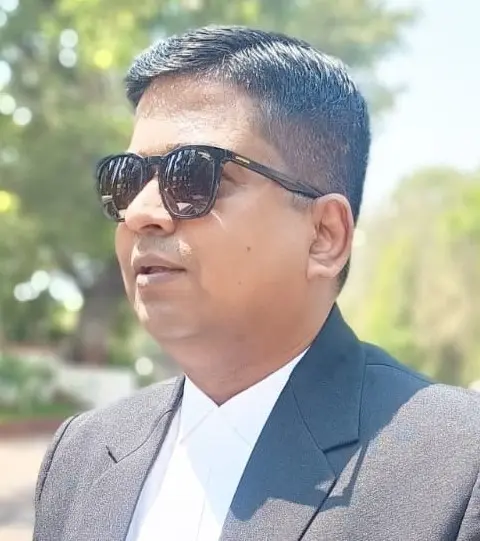
Why Adv Shoeb Hakim Considers This Article a Vital Read
Recent judicial decisions declaring arrests as “illegal” have sparked a significant debate over the balance between investigative rigor and adherence to legal norms.
This issue impacts not just the legal fraternity but also victims seeking justice, making it an essential subject for law and banking students to understand.
The Complexity of “Illegal Arrests” Explained

Understanding the Core Issue
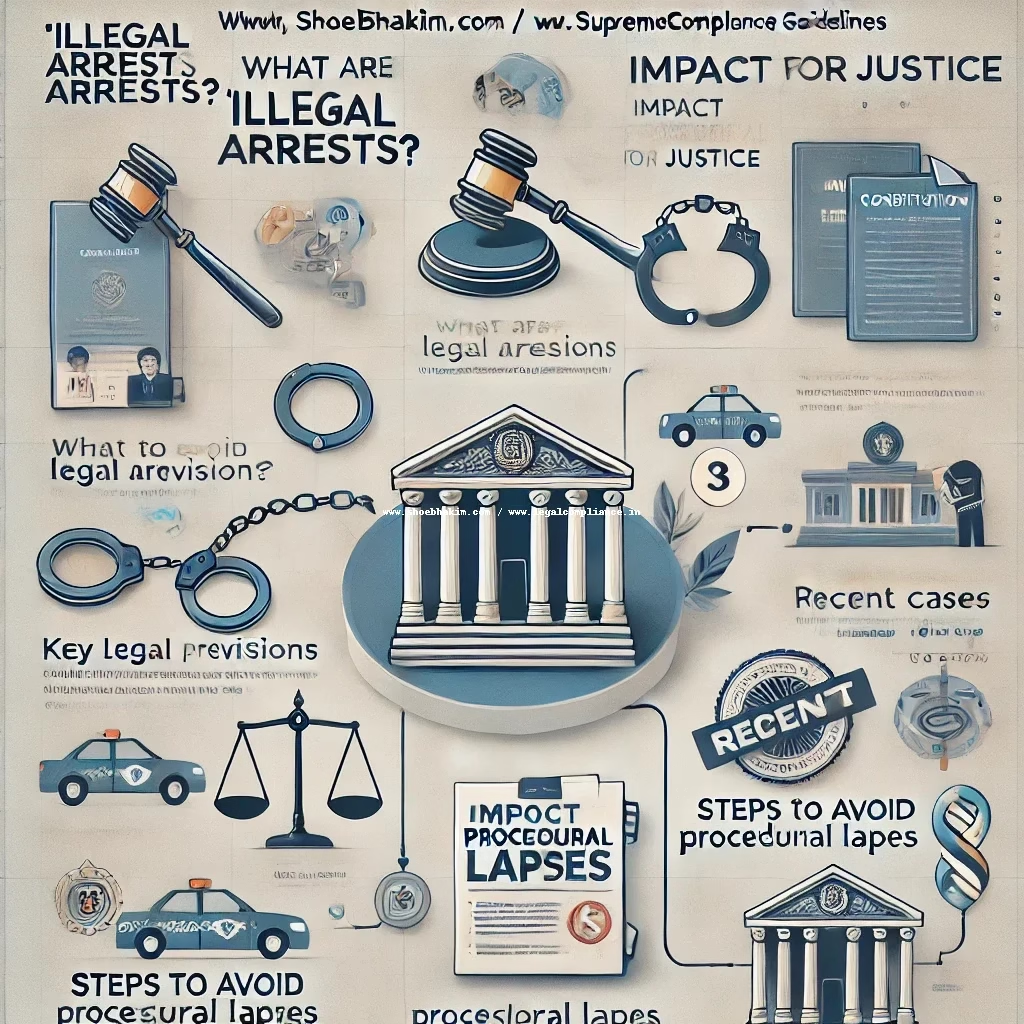
An “illegal arrest” occurs when investigative agencies fail to follow mandated legal procedures during an arrest. Courts have repeatedly emphasized that such lapses undermine not only the accused’s rights but also the integrity of the criminal justice system.
For example, the Bombay High Court recently ruled that arrests made without maintaining proper case diaries or promptly informing the accused of the reasons for arrest violate fundamental rights under Article 21 of the Indian Constitution.
Key Legal Provisions Governing Arrests
- Bharatiya Nagarik Suraksha Sanhita (BNSS):
- Mandates that grounds for arrest be communicated immediately to the accused.
- Requires case diaries to be meticulously maintained.
- Supreme Court Guidelines:
- Ensure arrests are not “mechanical” or “without application of mind.”
- Stress on presenting the accused before a magistrate within 24 hours.
- Notable Case Laws:
- D.K. Basu v. State of West Bengal: Established guidelines for the arrest process.
- Arnesh Kumar v. State of Bihar: Advocated against unnecessary arrests in bailable offenses.
Examples of Judicial Backlash
Case 1: The IRS Bribery Scandal
In December 2024, the CBI arrested six individuals, including two IRS officers, on bribery charges. However, a special CBI court ruled the arrests “illegal” due to poorly maintained case diaries. This highlights how procedural lapses can derail high-profile cases.
Case 2: The Purushottam Mandhana Episode
The ED faced criticism when a court released businessman Purushottam Mandhana in a money laundering case. The arrest was deemed illegal as the agency failed to provide a “reason to believe” document.
The Debate: Balancing Rights and Investigative Needs
Defense Advocates: Upholding Legal Norms
Senior advocates like Rahul Agarwal argue that the frequent flouting of legal procedures by investigative agencies compromises the accused’s fundamental rights. These lapses reflect a mechanical approach to arrests, eroding trust in law enforcement.
Prosecution: Protecting Victims
Prosecutors, including Senior Advocate Ujjwal Nikam, emphasize the importance of custodial interrogation in cases involving complex crimes. They argue that procedural lapses should not let offenders exploit legal loopholes at the expense of victims.
Judicial Observations
Judges have highlighted the need for balance. For instance, a sessions court recently criticized a magistrate for taking a “hyper-technical view” in a rape case, ruling that procedural errors should not overshadow the gravity of the alleged crime.
Practical Insights for Students
- Study Procedural Law Thoroughly:
- Understanding the BNSS and landmark judgments like D.K. Basu is crucial.
- Analyze Case Studies:
- Explore real-life cases to identify where procedures went wrong and how courts responded.
- Victimology Perspective:
- Consider the impact of crimes on victims and how procedural flaws affect their quest for justice.
Adv Shoeb Hakim’s Analysis & Conclusions:
The recent trend of courts striking down arrests as “illegal” underscores a critical need for investigative agencies to adhere to legal norms meticulously. While ensuring the rights of the accused, it is equally important to prioritize victims’ justice. Balancing these aspects is the cornerstone of a robust justice system.
Call to Action: Dive deeper into landmark cases like Arnesh Kumar v. State of Bihar to understand procedural nuances better.
Related to This Similar Cases/Articles You Must Read:
- Understanding D.K. Basu Guidelines
- Case Analysis: Arnesh Kumar v. State of Bihar
- Judicial Perspectives on Procedural Lapses
Quiz: Test Your Understanding
- What fundamental right is violated in cases of “illegal arrests”?
- a) Right to Equality
- b) Right to Freedom of Speech
- c) Right to Life and Personal Liberty
- What is the time frame within which an arrested individual must be presented before a magistrate?
- a) 12 hours
- b) 24 hours
- c) 48 hours
#advshoebhakim, #shoebhakim, #advshoaibhakim, #illegalarrests, #CBIcases, #IndianJudiciary, #BNSSprovisions, #SupremeCourtGuidelines, #EDcases, #VictimRights, #CustodialInterrogation, #CaseLawAnalysis, #CriminalJusticeSystem, #LegalProcedures, #PoliceReforms, #FundamentalRights, #IndianConstitution, #LawStudentsGuide, #ProsecutionChallenges
DISCLAIMER:
The content presented in this document is entirely fictional and represents a creative endeavor intended solely for entertainment purposes. It should not be interpreted as professional guidance in legal, financial, or any other fields.