
“SC Issues Guidelines: No Trade, Loan, Water, or Power for Illegal Buildings Without Completion Certificate”
Introduction: SC’s Crackdown on Illegal Constructions
In a landmark judgment, the Supreme Court of India has issued strict guidelines to curb the proliferation of illegal buildings. The ruling declares that properties lacking a valid completion certificate will be denied trade licenses, loans, water connections, and power supply. This decision is poised to revolutionize urban governance and enforce accountability in the construction sector.
What prompted this bold move, and how will it impact builders, buyers, and local authorities? Let’s delve into the details.
Understanding the SC’s Guidelines: Key Directives
The Supreme Court’s judgment addresses rampant violations in the construction industry, aiming to eliminate unauthorized buildings and ensure adherence to safety norms. Key highlights include:
- Mandatory Completion Certificate: Properties must obtain completion certificates to access utilities or conduct business.
- Denial of Financial Services: Banks are instructed to withhold loans for buildings lacking legal approval.
- Utility Restrictions: Local bodies are prohibited from providing water or electricity to illegal structures.
- Enforcement Accountability: Municipal authorities face strict scrutiny to prevent irregularities in granting approvals.
Why Completion Certificates Are Crucial
Completion certificates ensure that buildings comply with approved plans, zoning laws, and safety regulations. Here’s why they matter:
- Legal Compliance: They certify adherence to construction norms, preventing unauthorized expansions or deviations.
- Safety Assurance: Proper inspections guarantee structural integrity and occupant safety.
- Protecting Investments: Buyers are shielded from the risks of purchasing properties ineligible for loans or utilities.
The Impact of SC’s Guidelines on Stakeholders
The ruling significantly affects builders, homebuyers, and regulatory bodies alike:
- Builders: Developers face greater accountability and penalties for non-compliance.
- Homebuyers: Enhanced protection from fraudulent practices and unauthorized constructions.
- Local Authorities: Heightened responsibility to ensure approvals are granted transparently and lawfully.
Challenges in Implementation
While the SC’s directives are a step in the right direction, they come with implementation challenges:
- Addressing Legacy Issues: Resolving existing unauthorized constructions will require extensive surveys and legal clarity.
- Streamlining Approval Processes: Authorities must simplify and expedite the process of issuing completion certificates.
- Raising Awareness: Buyers and developers must be educated on the importance of compliance to prevent future violations.
How Homebuyers Can Protect Themselves
If you’re planning to invest in real estate, here are some actionable steps to safeguard your interests:
- Verify Documents: Always check for a valid completion certificate before purchasing.
- Research Builders: Choose developers with a track record of compliance and transparency.
- Seek Legal Advice: Consult legal experts to ensure your property investment aligns with the law.
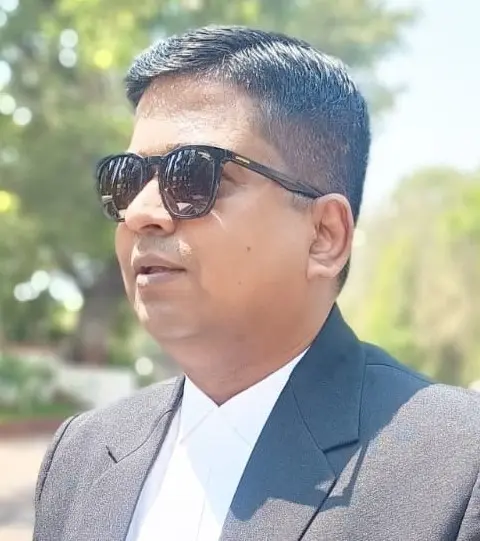
Adv Shoeb Hakim’s Insights, Analysis & Conclusions about: SC Issues Guidelines: No Trade, Loan, Water, or Power for Illegal Buildings Without Completion Certificate
Adv Shoeb Hakim emphasizes that the SC’s judgment is a game-changer in urban governance. He observes:
- For Builders: “This ruling demands a cultural shift in the construction industry. Developers must prioritize compliance to avoid severe repercussions.”
- For Homebuyers: “The judgment empowers buyers to demand transparency and accountability from builders, making real estate investments safer.”
- For Authorities: “Municipal bodies must rise to the occasion, enforcing these guidelines rigorously to restore public confidence in urban planning.”
This landmark ruling underscores the importance of sustainable and lawful urban development. By addressing systemic flaws and reinforcing compliance, the SC has paved the way for safer, more transparent real estate practices in India.
#SCGuidelinesOnBuildings #CompletionCertificateMandate #IllegalConstructionBan #BuildingComplianceIndia #RealEstateSafety #UrbanGovernanceIndia #AdvShoebHakimInsights #SupremeCourtJudgment2024 #HomebuyerProtection #UrbanDevelopmentLaws